


The Silent Flashes: Transforming Invisible Heat Into Art, Dialogue, and Cultural Awareness
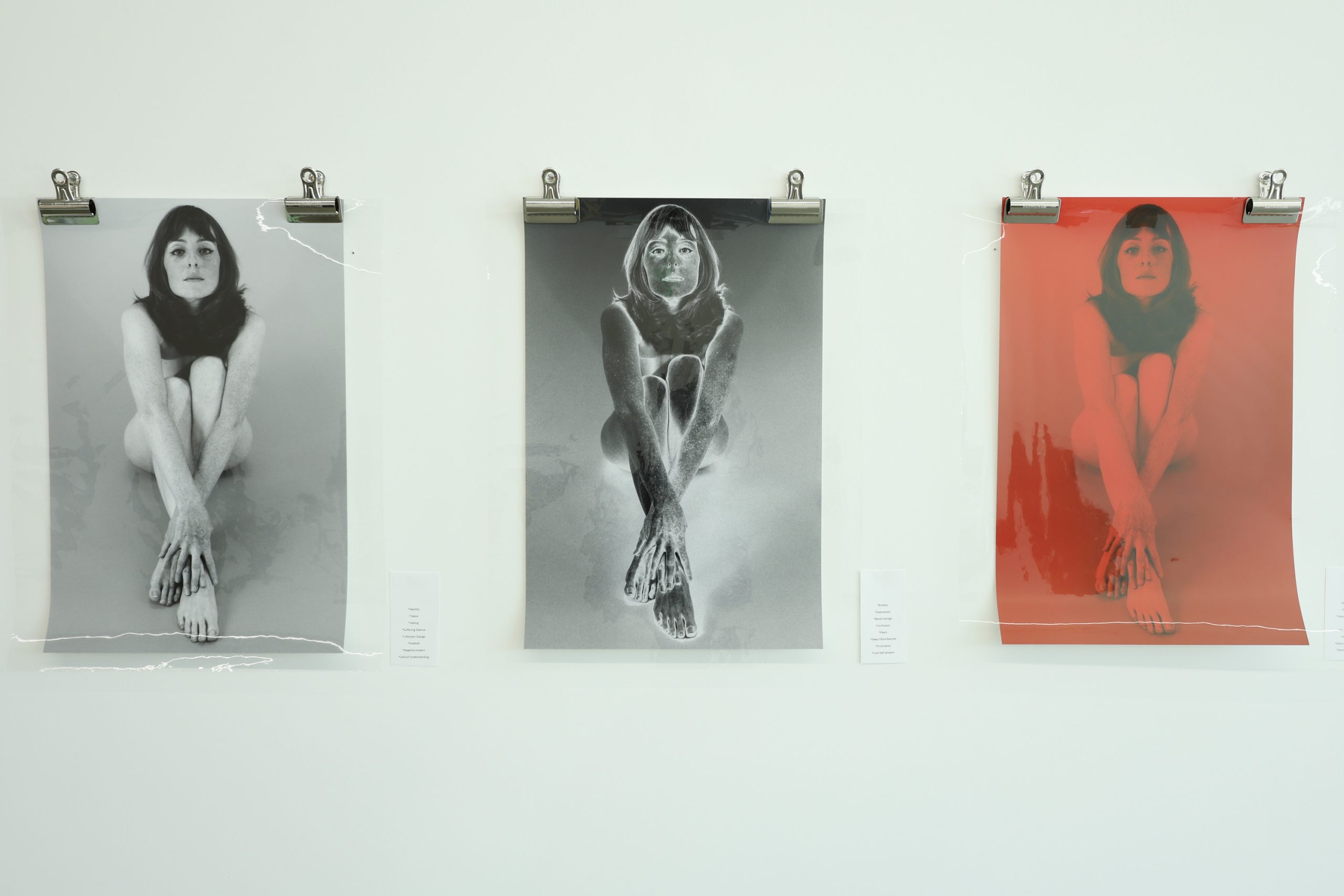
In October, we stepped into The Silent Flashes, a groundbreaking three-day workshop and exhibition presented by JisuLife, the world’s leading portable fan brand, in partnership with CVS Pharmacy. Hosted at Los Angeles’ Good Mother Gallery, the program fused art, advocacy, and community to spark an overdue cultural conversation around the often-stigmatized experience of menopause and hot flashes. Through immersive installations, participatory workshops, and intimate storytelling, attendees were invited to witness this universal stage of womanhood not as a silent burden, but as a shared human experience worthy of visibility, empathy, and creative exploration.
For JisuLife, this project marks a natural evolution of their growing presence within the art and cultural landscape. Fresh off sponsoring Coachella earlier this year, the brand continues to align itself with creative communities and push its mission to help people “feel good” beyond the physical. Curated by artist Corinne Chaix and curator-gallerist Yiwei Lu, The Silent Flashes reframed women’s lived experiences through a contemporary art lens, amplifying voices rarely centered in the art world and opening space for vulnerability, connection, and collective awareness. Alongside JisuLife, Chaix and Lu spoke with BELLO about destigmatizing women’s health, fostering cross-generational dialogue, and using art to illuminate one of society’s quietest shared experiences.
BELLO: How did the idea for The Silent Flashes come about, and what inspired you to
transform menopause, specifically hot flashes, into an art experience?
Yiwei: I’m a freelance curator and gallerist who travels internationally for exhibitions, and JisuLife approached me wanting to create a project that blended awareness with art. When they explained that so many of their users are women experiencing hot flashes, I realized I actually knew very little about menopause. I wasn’t sure I could lead a project on a topic I hadn’t personally experienced so I invited Corinne to collaborate.
Corinne: We’ve worked closely together for years, and I deal with hot flashes often but I hadn’t talked about it openly.
Yiwei: I knew she sweated a lot but didn’t realize it was from hot flashes. That alone shows how rarely this topic is discussed. Then Corinne told me about attending an opening in a beautiful dress that suddenly became drenched in sweat. That moment became the seed for her soaked-dress installation, an intimate, universal reminder of an experience that happens everywhere, yet is almost never acknowledged.
JisuLife: Through user feedback and research we found hot flashes to be extremely common, however they have become an unspoken secret in society, not widely known and rarely mentioned, leaving many women to cope with it alone. Women often endure them alone. This led us to reflect on our brand’s mission, “feel good.” Beyond continuously innovating technology and design to bring physically comfortable products to users, can we also focus on the psychological and mental comfort of our users: being seen, understood, empathized with, and supported? Art, as a medium, can allow creators to achieve expressive release through creation, and also allow the audience to more directly and powerfully feel psychological comfort. This is also a necessary measure for us as a brand with humanistic care.
BELLO: The exhibition is both intimate and universal. What conversations did you hope to ignite?
Corinne: Menopause is something nearly everyone will be touched by, yet so many women endure it in silence because of the stigma, little education, and often minimal medical support. I’ve been close to friends for 12 years, and we never discussed menopause until I began to prep this show. The Silent Flashes created a space where people could finally speak openly, and it was incredibly moving. During the workshop, a large group of men and women, menopausal or not, shared personal stories. I’m a mother of four sons and I had never talked about my symptoms for 20 years with my family before the workshop preparation, and one of my sons actually became part of the project. That was really moving.
JisuLife: Menopause remains one of society’s major taboos despite affecting half the global population. This silence leads to a lack of awareness, resources, and support. As a brand that provides a physical relief for hot flashes, we felt a profound responsibility to use our platform to break that silence. Art is a powerful vehicle for translating a personal, often isolating, physical experience, like a sudden hot flash, into a shared, understandable, and beautiful public conversation. By using art and partnering with CVS, we are elevating it from a private health matter to a vital part of the mainstream conversation about women’s well-being.
BELLO: Why do you think menopause remains such a silent topic, and how can art bridge that silence? Why do you think so many brands shy away from it and what made JisuLife decide to embrace it so openly?
Corinne: Our mothers never spoke about menopause. In my generation, especially in France, it was completely taboo. Even when they are experiencing the worst symptom themselves, there is a societal shame around aging and menopause, and especially women of course, aging. Because of your body changing and the loss of fertility, you feel irrelevant or people make you feel irrelevant. Even with healthcare providers, many women stay silent. My chart has said “menopause” for years, yet my doctor and I never discussed it. Freud even wrote that women become “quarrelsome and miserly” after losing their “genital functions”, a sentiment that still lingers culturally. Art allows us to express complex and often painful emotions that are difficult to articulate with words, and it gives them some visuals.
JisuLife: Frankly, we believe true brand leadership means stepping up and addressing real consumer needs, even if they’re marginalized or culturally uncomfortable. We’re a brand built on providing relief for hot flashes. If we ignored the bigger context of menopause, that would just feel disingenuous. So, by embracing this subject so openly, we’re sending a clear signal: we see you, we support you, and we’re not afraid of honest conversation. It’s a strategic choice, yes, but one that’s rooted in pure authenticity. And co-hosting with a major health retailer like CVS only amplifies that commitment and gives the message the credibility it deserves.
BELLO: How did you select the artists, and what qualities were you looking for?
Yiwei: We wanted a mix of voices. Professional artists and those without formal training. What mattered most was openness to share and learn. Women were eager to participate many said, “Finally, a platform for this.” Men were harder to engage, often afraid of saying the wrong thing. Younger artists also hesitated, feeling unqualified to talk about menopause. But public awareness requires everyone: all ages, all genders, all backgrounds.
BELLO: What was the most surprising or powerful creative exchange among the participating artists?
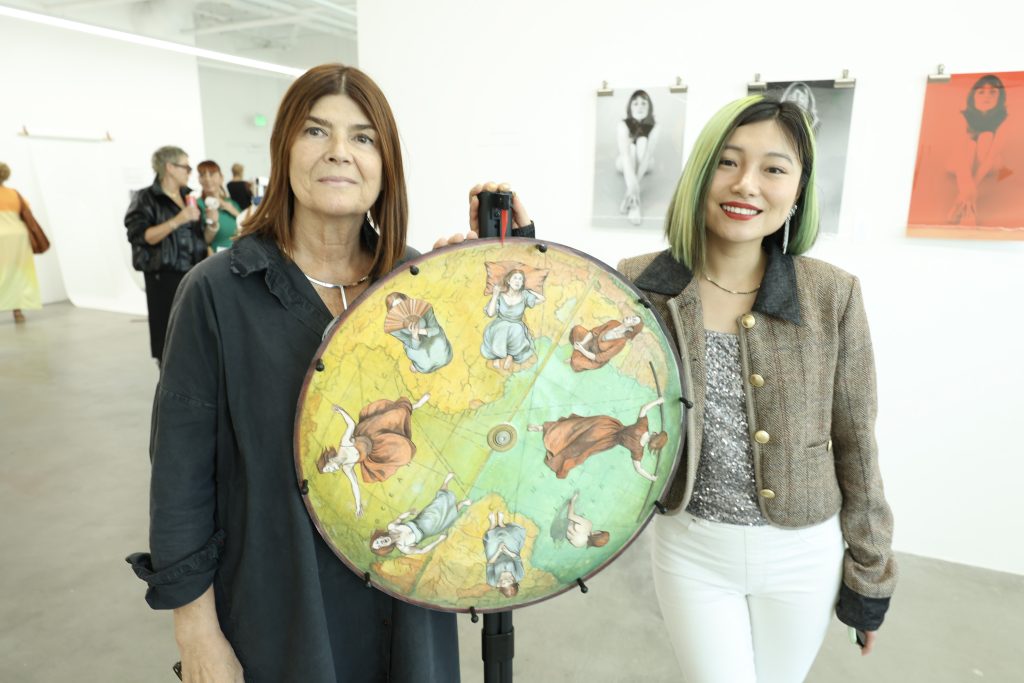
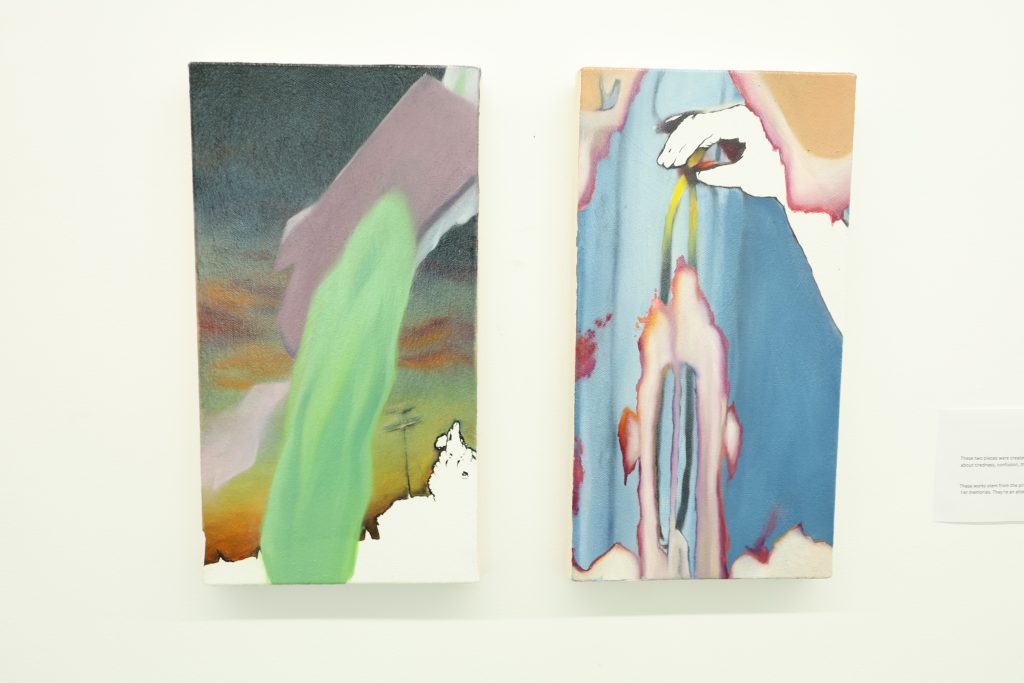
Yiwei: We created interactive entry points: a hot-flash simulator, the dripping dress, and a video loop of classical paintings of women holding fans, which suddenly took on new meaning in this context. If you go to museums, you will see a lot of classical paintings from all different eras, from all different nations that are women holding fans, and after doing this project, we realized that the fan is not for decoration. They might be functional. So, we designed a lot of creative topics so people could open up. These opened the door to deep conversations. Michelle Robinson, for example, spoke about experiencing hot flashes only after cancer treatment and turned her daily documentation into artwork. Another artist, Adele, gave birth during menopause. The honesty in the room was incredible.
Corinne: Conversations flowed so freely that it was hard to stop them. The emotion was raw, simple, human and so needed.
BELLO: How do you see The Silent Flashes contributing to a broader dialogue about women’s health, aging, and identity in contemporary art?
Corinne: The art world mirrors society and sometimes reinforces its biases. After #MeToo, visibility for women increased, but ageism remains strong. Menopause has rarely been explored artistically. Before the 20 th century, menopause was the subject of caricature, at best. In the art world, elderly women were relegated to the background, rarely depicted as central, vital subjects. That narrative is only beginning to shift, primarily for younger artists. We’re not there yet for people like me.
BELLO: How does this project reflect JisuLife’s mission around women’s health and wellbeing, and how will you continue supporting women’s wellness beyond this exhibit?
JisuLife Rep: Our brand is built on improving everyday life. The Silent Flashes reflects our commitment to Inclusion: Making sure middle-aged women are seen and acknowledged, Wellbeing: Offering both physical relief (our fans) and emotional relief (shared experience and art); and Health: Encouraging proactive, informed conversations. We see this exhibition as a launchpad, not a finish line. Our commitment to women’s wellness is absolutely continuous. We’re doing this through three main channels: First, Product Innovation: We’re going to keep investing in R&D to enhance and evolve the personal cooling solutions we offer. Second, Partnerships: We plan to seek out sustained, long term collaborations with health organizations and, of course, partners like CVS, to ensure access to educational resources. And finally, Social Content: We’ll launch a whole dedicated series on our platforms to maintain this visibility, sharing personal stories and expert advice, keeping the conversation going long after the gallery doors close.
BELLO: What impact do you hope the exhibition will have now and in the long term? And what message do you hope women experiencing menopause take away?
Yiwei: In the short term, we hope it sparks more conversations among friends, families, and communities. That people learn and gain from the experience. In the long term, we hope that there will be more art projects or just projects in general that can be inspired to combine contemporary art and social awareness, and ultimately, a cultural shift in how menopause is understood and discussed.
JisuLife Rep: We hope The Silent Flashes leaves behind a powerful triple legacy. For women, we want them to feel a legacy of validation and collective power, we want them to know they are deeply seen and supported. For the art community, we hope to prove the powerful role art can play in driving public health discourse and inspire others to tackle overlooked topics. And for JisuLife, we hope to cement our identity as a thought leader and champion for women’s wellbeing, not just a product manufacturer.
The final takeaway message for women experiencing menopause is straightforward and simple:
You are not silently flashing. You are seen, you are heard, and your comfort matters.
*Note: This interview has been edited for clarity and length.