
What happens when one of Silicon Valley’s most controversial figures invites a filmmaker into her home? Nathan Fielder and Lance Oppenheim turn that question into one of the year’s most unconventional documentaries.
Some documentaries tell you exactly what happened. Others leave you questioning everything you thought you knew. You Can See Everything, the new film from Nathan Fielder and Lance Oppenheim, belongs to the second category.
The documentary follows Elizabeth Holmes, the former Theranos founder whose promise to revolutionize blood testing turned into one of Silicon Valley’s most infamous corporate scandals.
But instead of simply revisiting the rise and fall of Theranos, the filmmakers take a much more intimate approach. They gain access to Holmes’s personal life during the weeks leading up to her incarceration, offering a glimpse into the woman behind the headlines.
And things get considerably stranger than a traditional true-crime documentary.

Courtesy: A24
An Invitation Into Elizabeth Holmes’s World
The premise is almost impossible to believe. Thirty-four days before reporting to prison, Holmes invites Nathan Fielder and his team to document her life.
The filmmakers spend time with Holmes, her partner William “Billy” Evans, and their family. What begins as an intimate portrait eventually becomes a three-year filmmaking journey.
There are conversations, family routines, uncomfortable silences, and questions about the events that led to her conviction.
The central question is difficult to ignore: if someone allows you to see everything, does that mean you actually know them?
When a Documentary Starts Feeling Like Fiction
Nathan Fielder has built his career around making audiences uncomfortable with the boundaries between performance and reality. His previous projects, including Nathan for You and The Rehearsal, blur the lines between documentary, comedy, and staged situations.
That sensibility is present here, too.
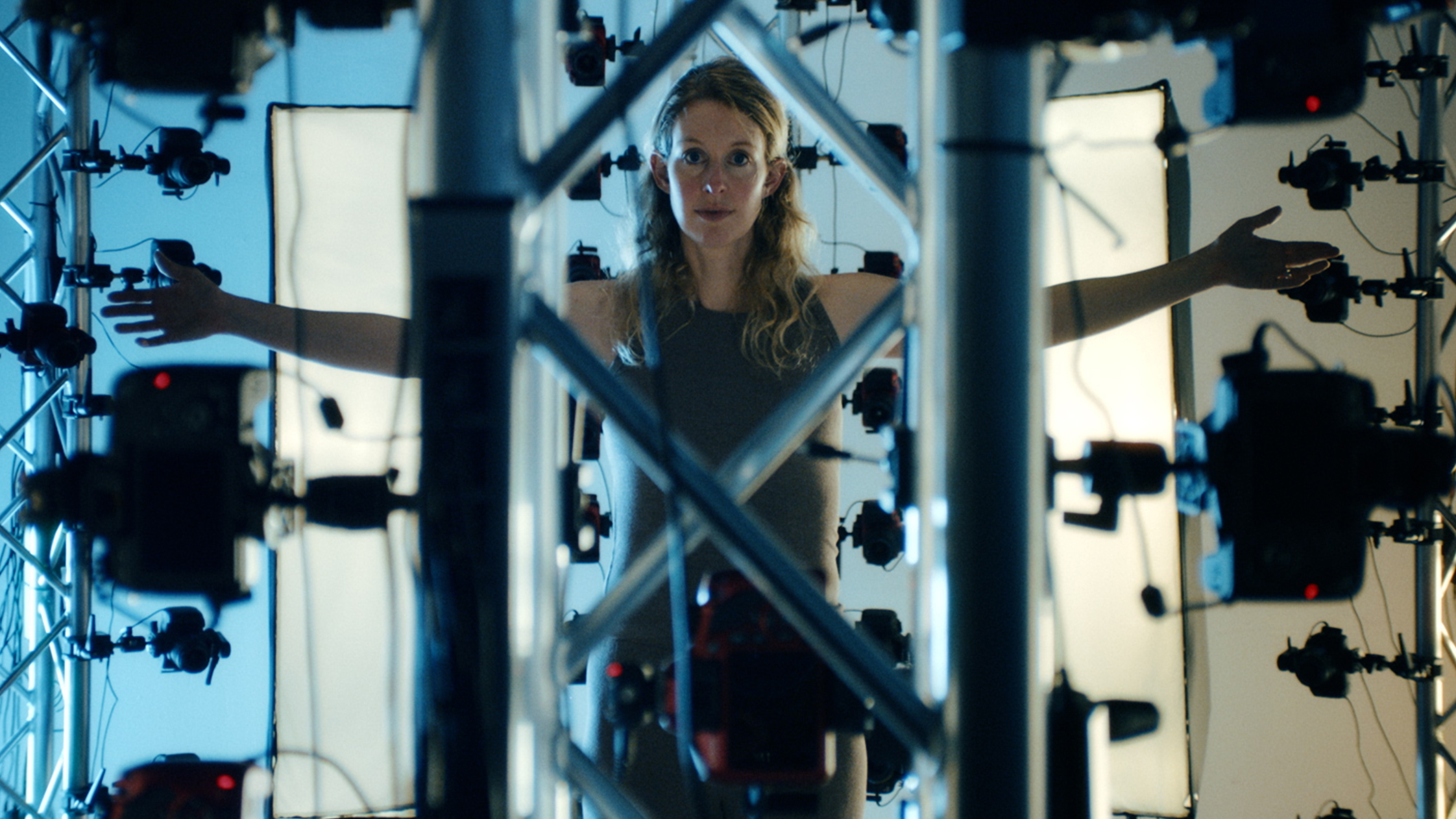
Rather than offering a straightforward account of events, the film plays with documentary conventions, using unexpected shifts and dramatic recreations that make viewers question what they are watching.
Co-director Lance Oppenheim, known for exploring unusual characters and intimate environments in Some Kind of Heaven, brings another perspective to the project.
Together, they create a film interested not only in what Holmes says, but also in how we interpret what we see.
The Woman Behind Theranos
To understand the fascination surrounding Holmes, it’s worth remembering how she became such a recognizable figure.
She founded Theranos in 2003, promising technology that could perform numerous blood tests using just a few drops of blood. Her carefully constructed public image, signature black turtleneck, and ambitious vision made her one of Silicon Valley’s most celebrated entrepreneurs.
But investigative reporting exposed serious problems with the company’s technology and claims. Theranos eventually collapsed, and Holmes was convicted of fraud.
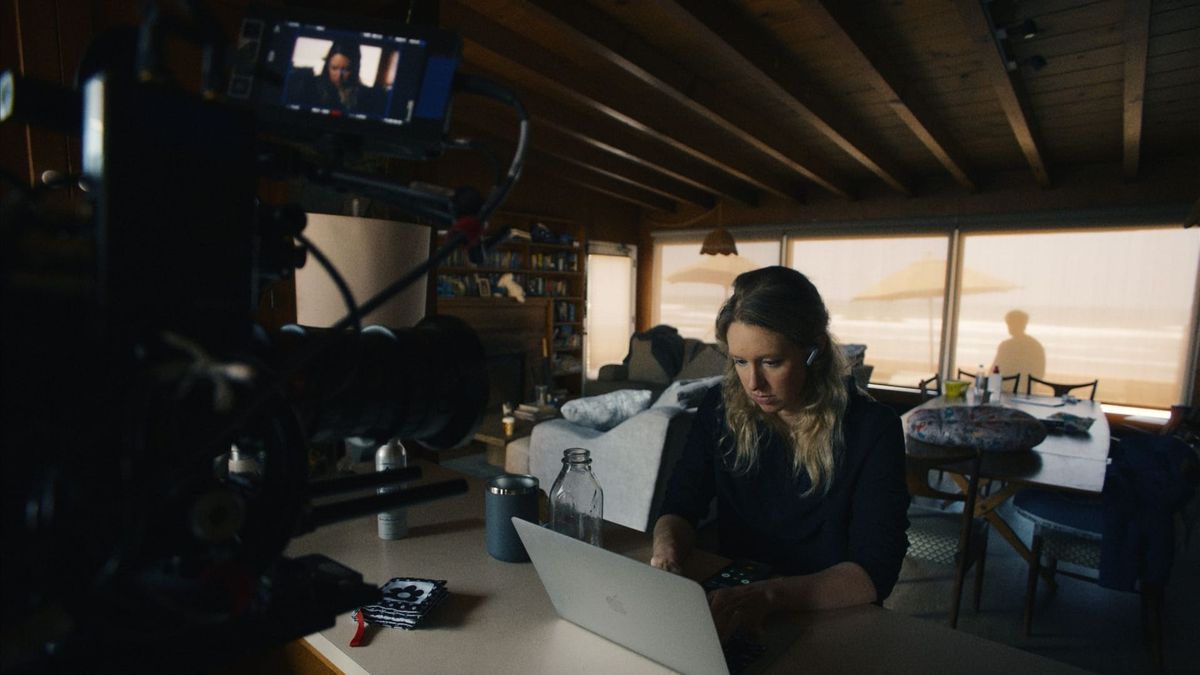
The documentary places her in an everyday environment, creating an unsettling contrast between the public figure we remember and the person we see on camera.
My Take: Can We Ever Really Know Someone?
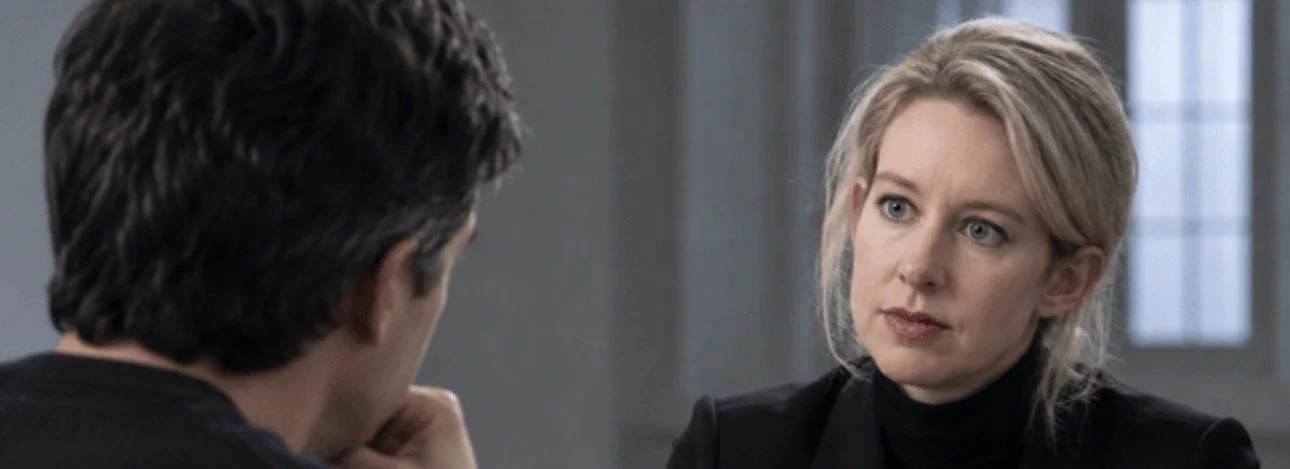
What makes You Can See Everything so intriguing is that it refuses to make the audience comfortable.
We’re used to documentaries giving us answers, identifying the villain, and tying everything together. This film takes a more complicated route.
Holmes’s history cannot be separated from what we see on screen. But the documentary also raises a much broader question about image, performance, and the stories people tell about themselves.
In an age when everyone is constantly documenting their lives, sharing their homes, relationships, and personal moments online, the film feels particularly relevant.
We see more of each other than ever before. But does that mean we understand each other any better?
Maybe that’s the most unsettling idea behind You Can See Everything: sometimes, even when the camera never stops recording, the truth remains just out of reach.


