

Beauty Convergence 2026
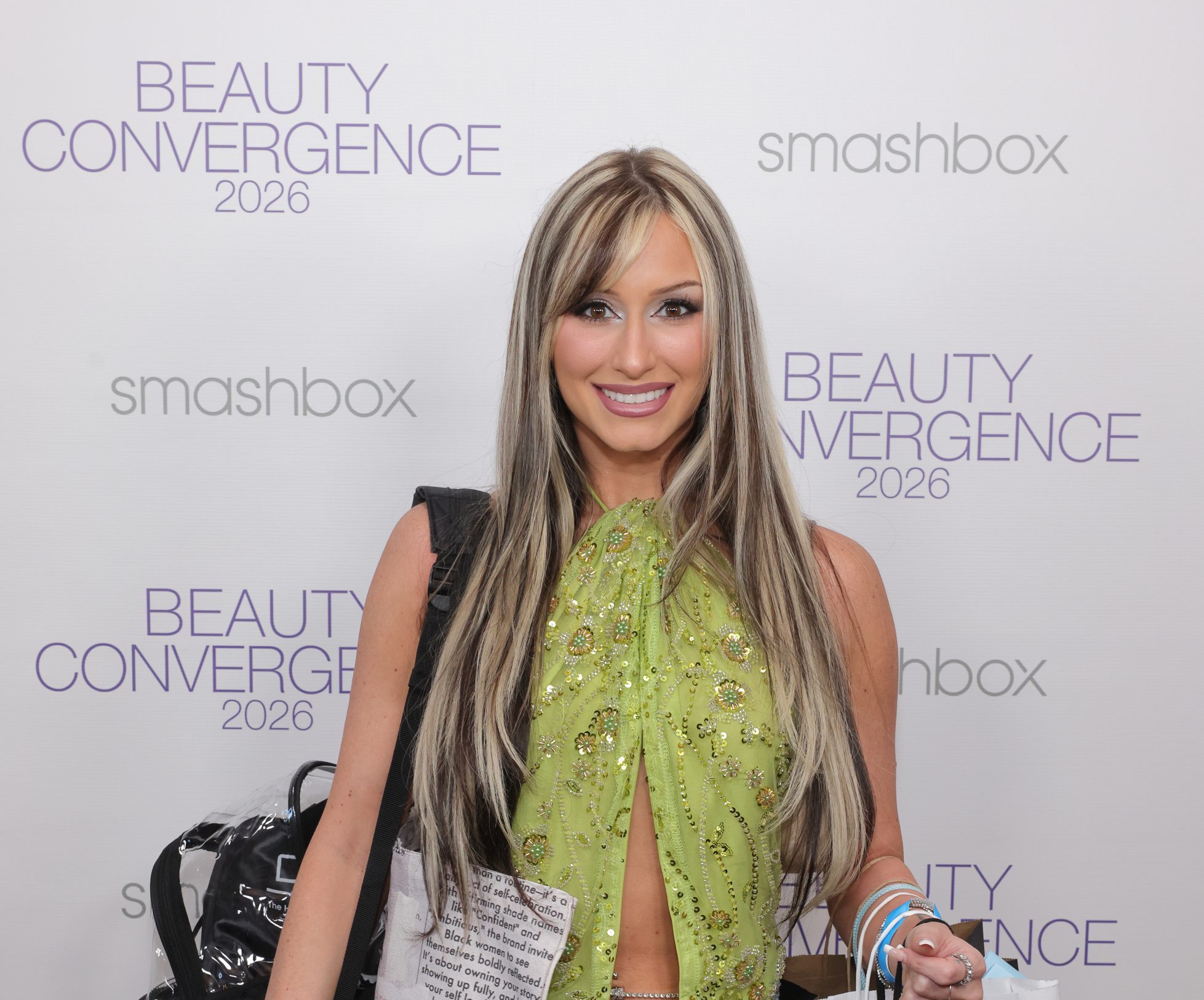
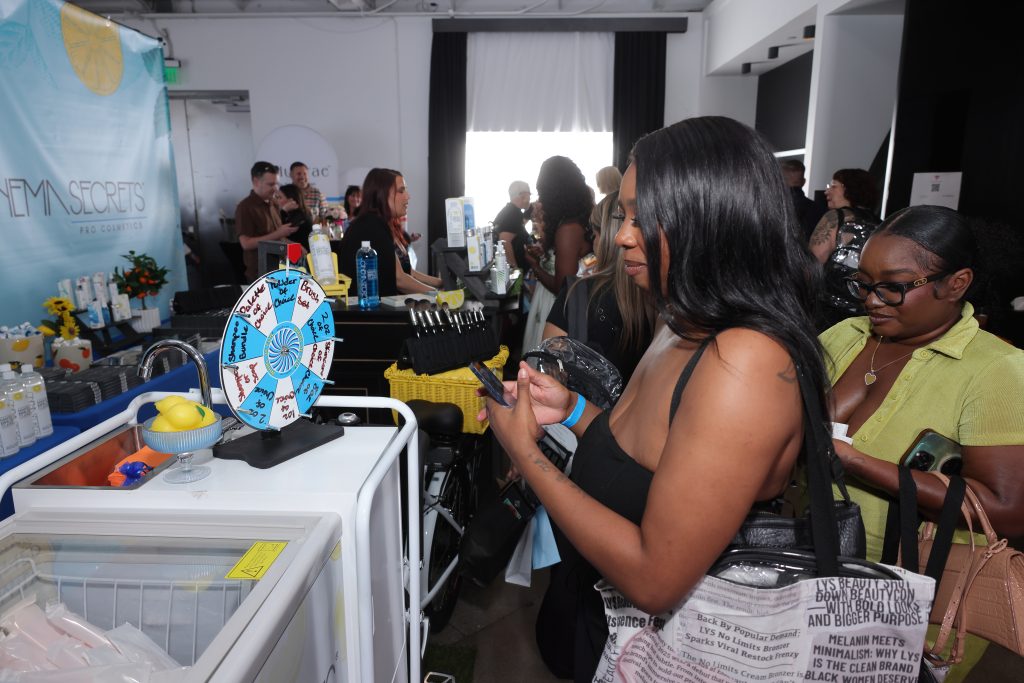
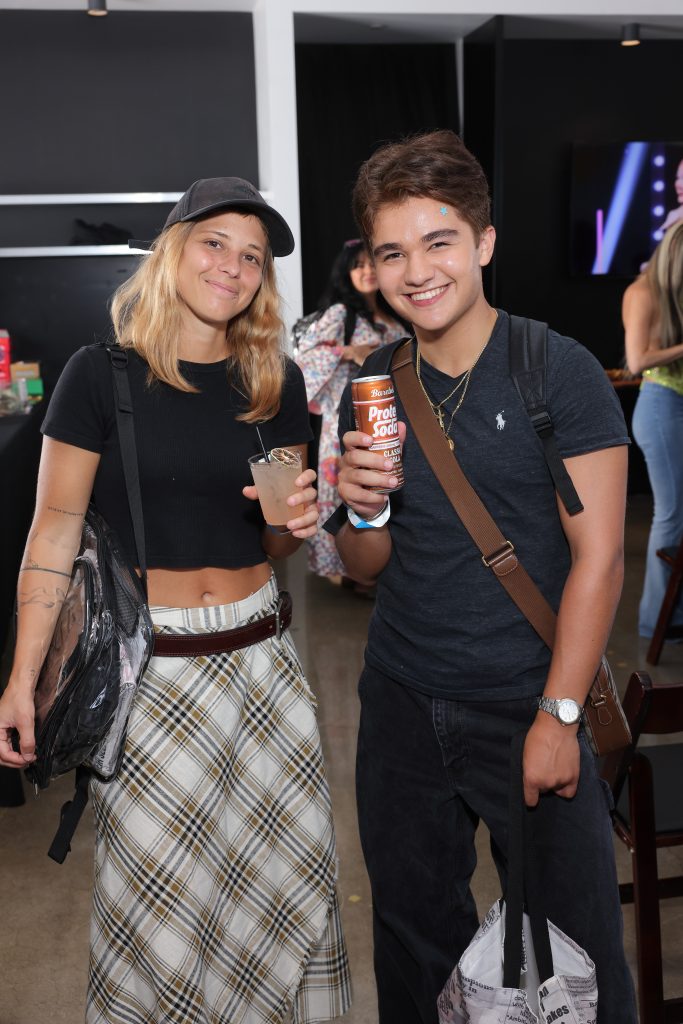
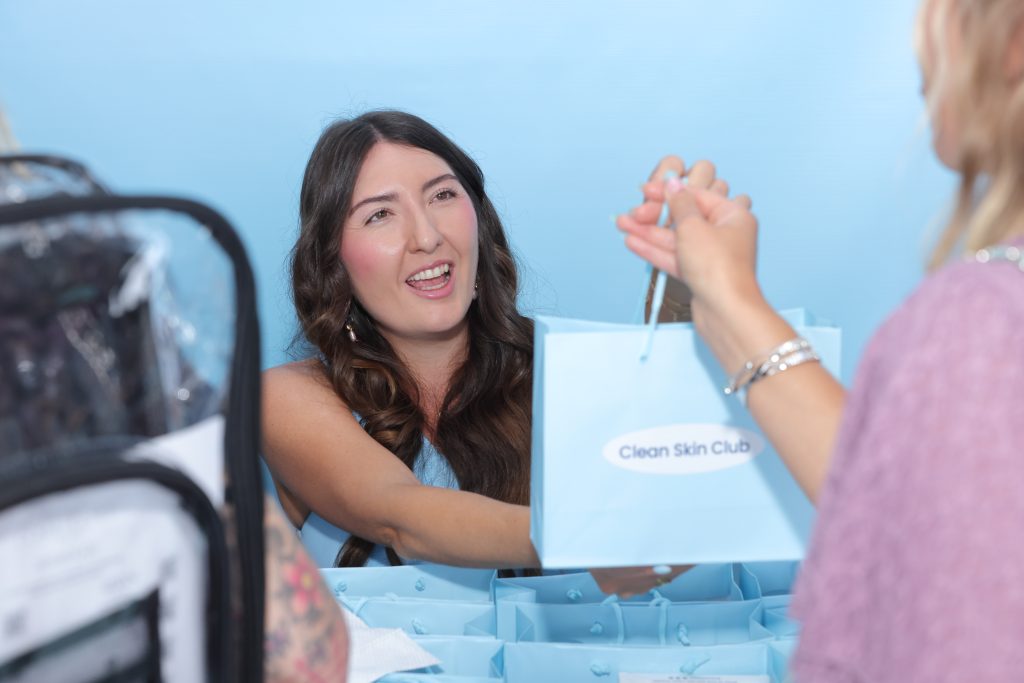
Last Saturday, I walked into the 2026 Beauty Convergence Preview Party at Smashbox Studios expecting exactly what most people would expect from a beauty event: makeup, products, and a lot of promises about how to look better. I was welcomed with a cocktail and a giant transparent backpack that would eventually be filled with gifts from the brands exhibiting at the event. I won’t lie the free products were exciting. As soon as they handed me the bag, my first thought was, free makeup? I’m in.
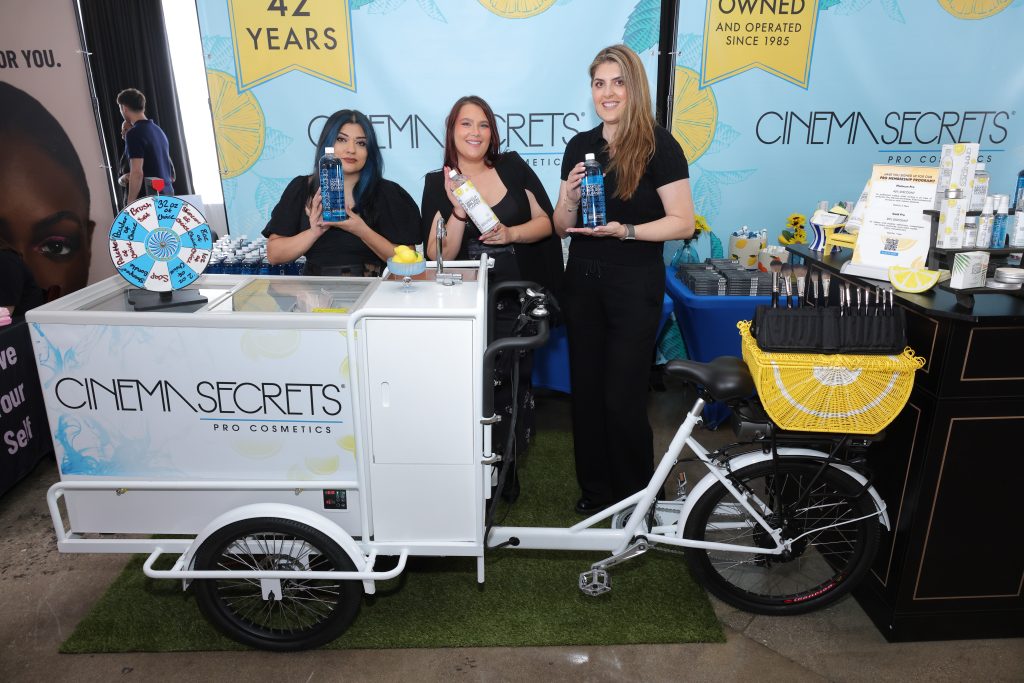
Inside, dozens of beauty and haircare brands filled the space. There were skincare treatments, hair oils, cosmetics, wellness products, and enough samples to make anyone curious. I attended with my friend Vikki, who, unlike me, rarely wears makeup. As someone who works in the fashion industry, I’ve always been fascinated by beauty as a form of self-expression. To me, makeup has always felt closer to art than necessity. Vikki, however, has always seen it differently.
Months ago, she told me something that stayed with me. One of the reasons she never felt comfortable with makeup was because she associated it with transformation. She felt that makeup encouraged people to become someone else, to hide behind a version of themselves that looked more acceptable. At the time, I remember thinking, isn’t that the point? Why would I want to look exactly like myself when I could look more dramatic, more glamorous, more interesting? But as I’ve gotten older, I’ve started to understand what she meant.
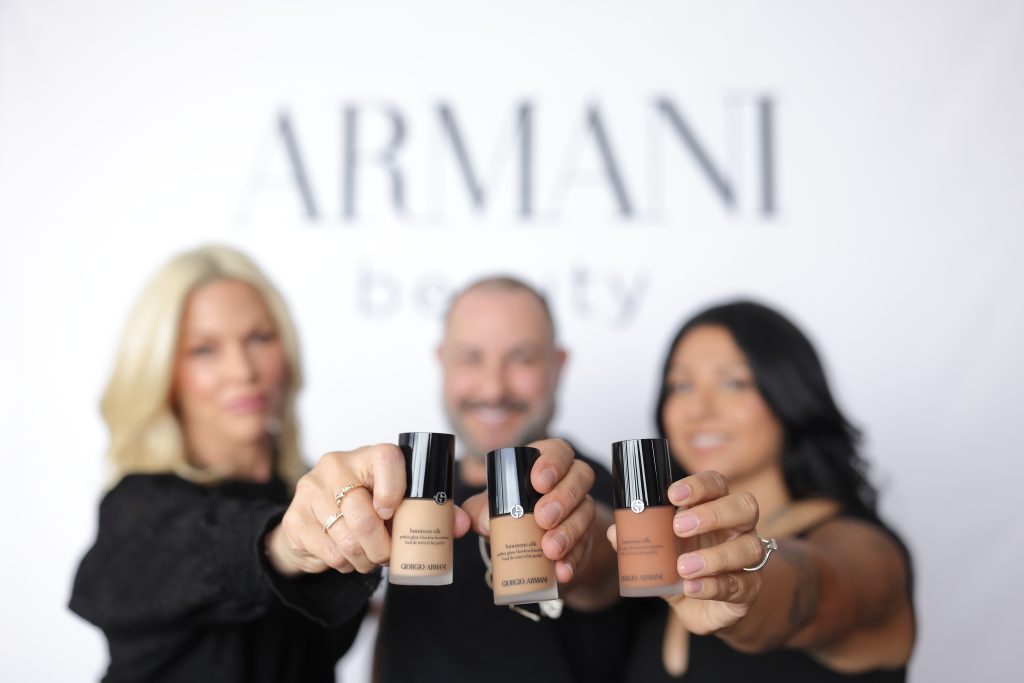
If these photos will be used on Social Media, please be sure to tag the following: @mathewimaging
Growing up, beauty often felt inseparable from the idea that something about us needed fixing. When I was a child, I would walk through department stores with my mother and watch beauty consultants recommend products designed to hide imperfections, erase wrinkles, slim features, and reverse aging. The message was subtle but constant: there was always something that could be improved.
The same message followed me at home. I remember listening to conversations between my mother and her friends about cosmetic procedures, surgeries, and the latest treatments. They discussed nose jobs, breast augmentations, facelifts, and all the ways they hoped to get closer to an ideal version of themselves. What struck me wasn’t the procedures themselves, but the assumption behind them, that happiness and confidence were always one transformation away. My mother is now fifty, and despite everything she has already done, she is still searching for the next thing to change. That’s the difficult reality of a beauty culture built around perfection: there is rarely a finish line.
That’s why Beauty Convergence surprised me.
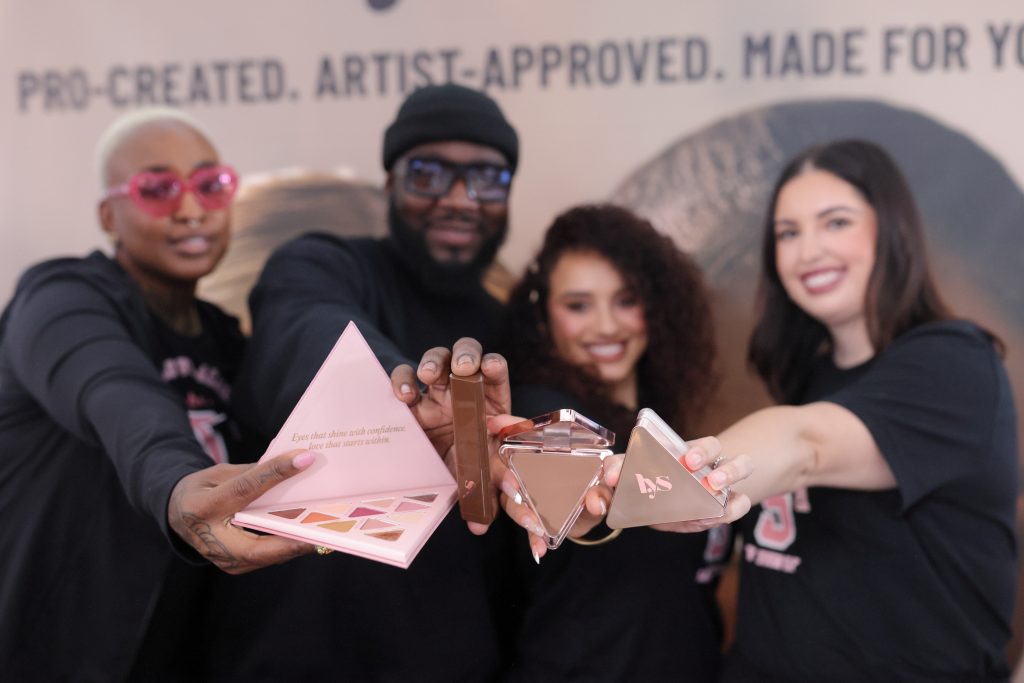
I arrived expecting the same narrative I had grown up with. Instead, I kept encountering a different language. Everywhere I looked, brands were talking about skin health, scalp health, hydration, sun protection, recovery, ingredients, wellness, and long-term care. The focus wasn’t on hiding flaws. It was on maintaining what you already have. Products promised healthier skin rather than flawless skin. Haircare focused on repair and strength rather than simply appearance. Even makeup seemed less interested in transformation and more interested in enhancement.
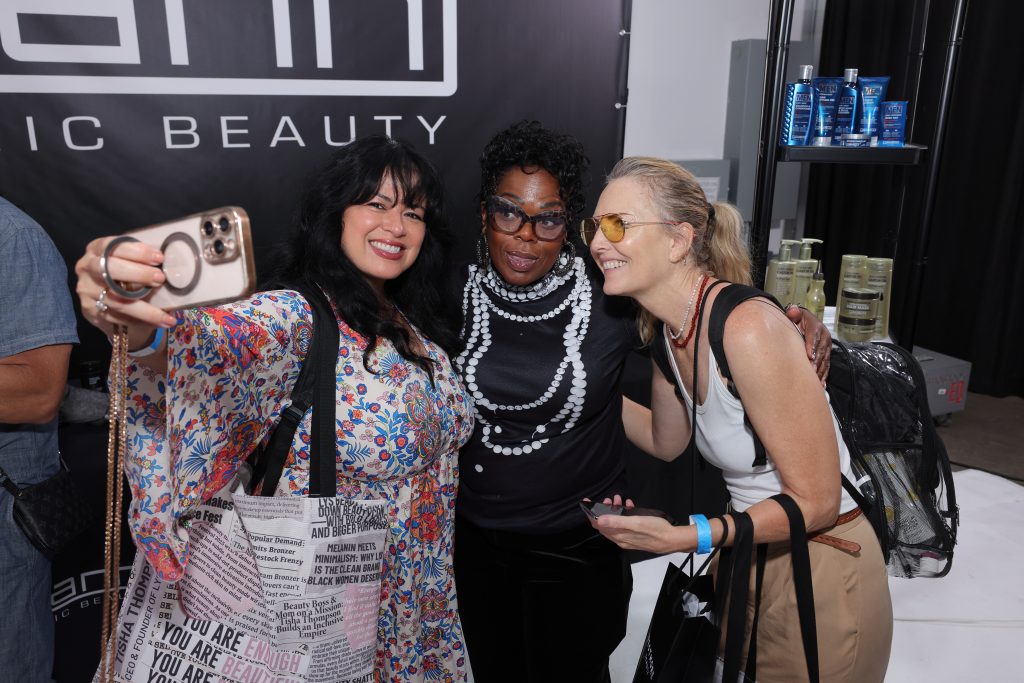
Of course, beauty is still beauty. No one walked into Smashbox Studios and suddenly decided appearance no longer mattered. What seems to be changing is what we consider beautiful in the first place.
You can see it beyond skincare and makeup. The old ideal was often about being as thin as possible. Now, the conversation is increasingly about being strong, healthy, energized, and taking care of your body. Protein has become part of everyday beauty and wellness vocabulary; strength training is no longer only about getting smaller, but about getting stronger. The same shift is happening with skin, hair, and aging: protection, recovery, longevity, and health are becoming just as aspirational as looking flawless.
But there is a contradiction. The beauty industry has always been good at turning our insecurities into products, and wellness can become another version of that pressure. A “healthy” lifestyle can easily turn into another impossible standard perfect skin, perfect hair, perfect body, perfect routine.
What stayed with me was Vikki’s reaction. She didn’t suddenly become obsessed with makeup. She simply stopped seeing beauty as something designed to hide her. She could enjoy the products because they felt like care rather than correction.
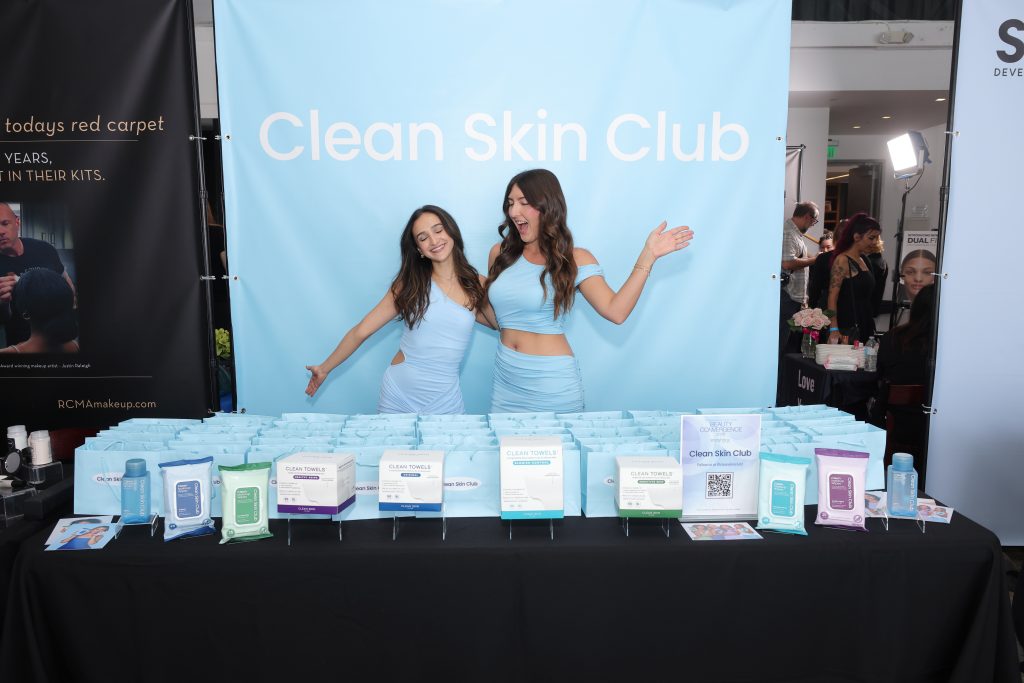
Maybe that is the shift we’re actually witnessing. Beauty isn’t becoming less ambitious; the ambition is changing. We still want to look good. We just seem increasingly interested in feeling good along the way.
And perhaps the most radical beauty trend isn’t becoming someone else.
It’s taking better care of the person you already are.