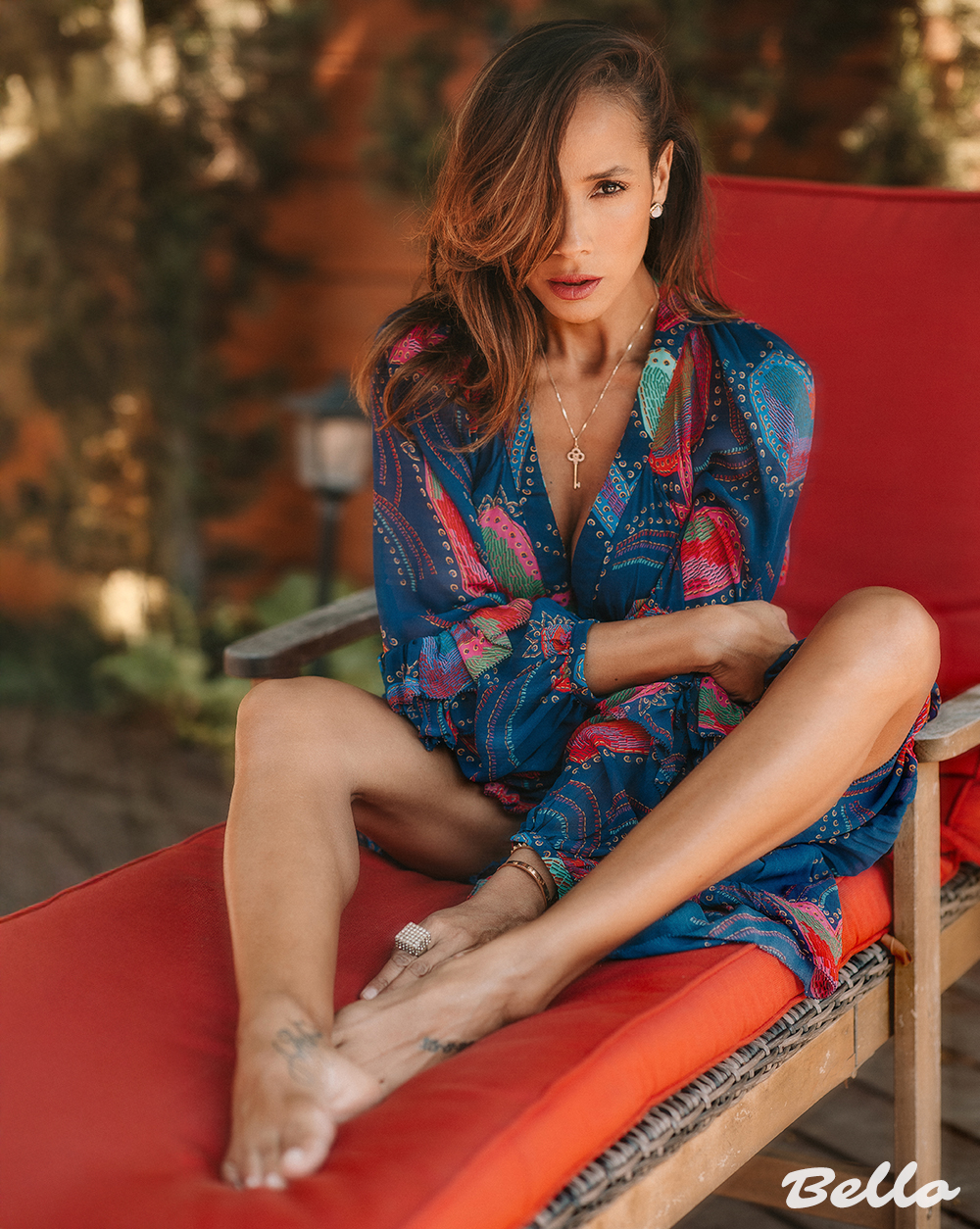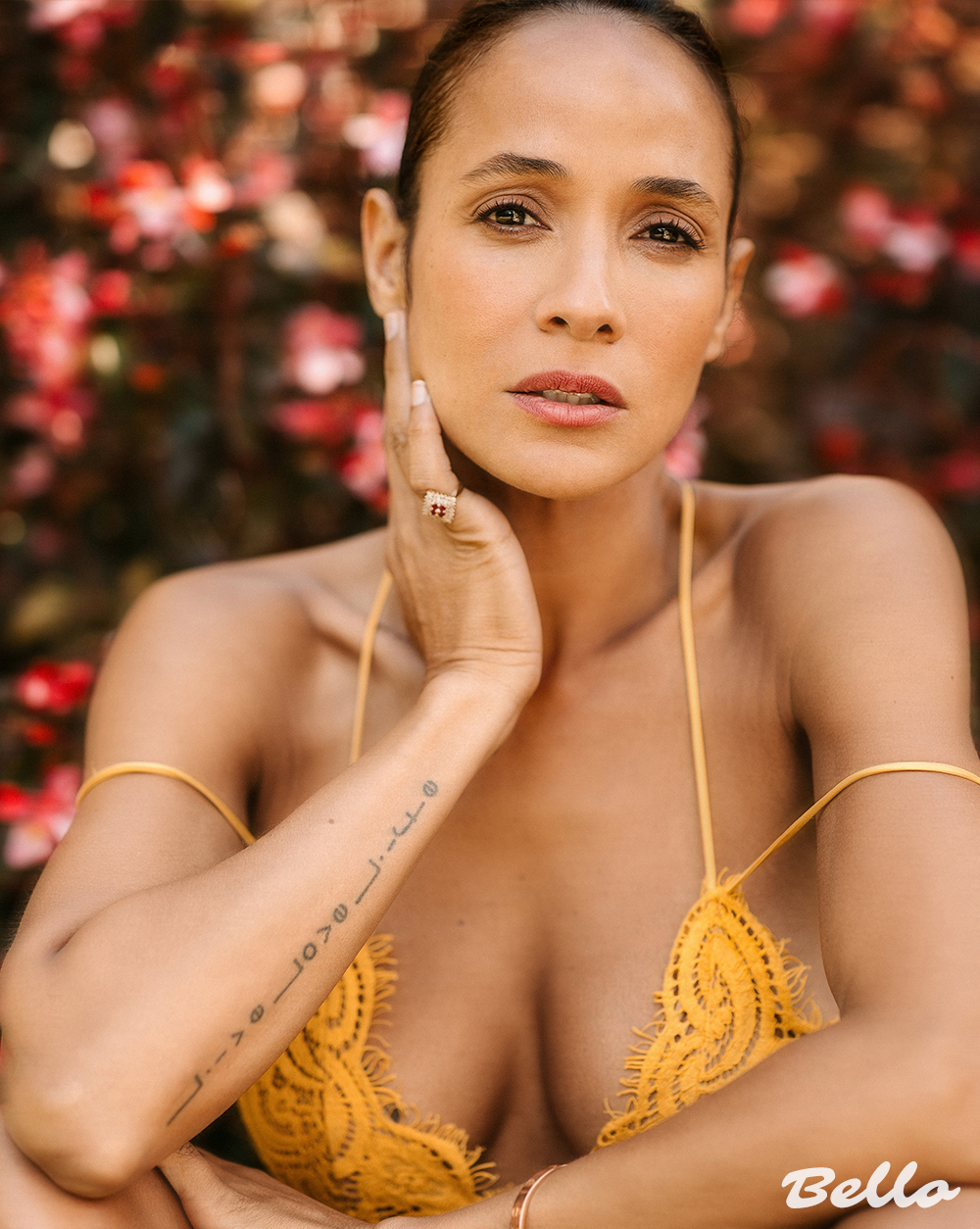
BELLO Spotlight: Dania Ramirez
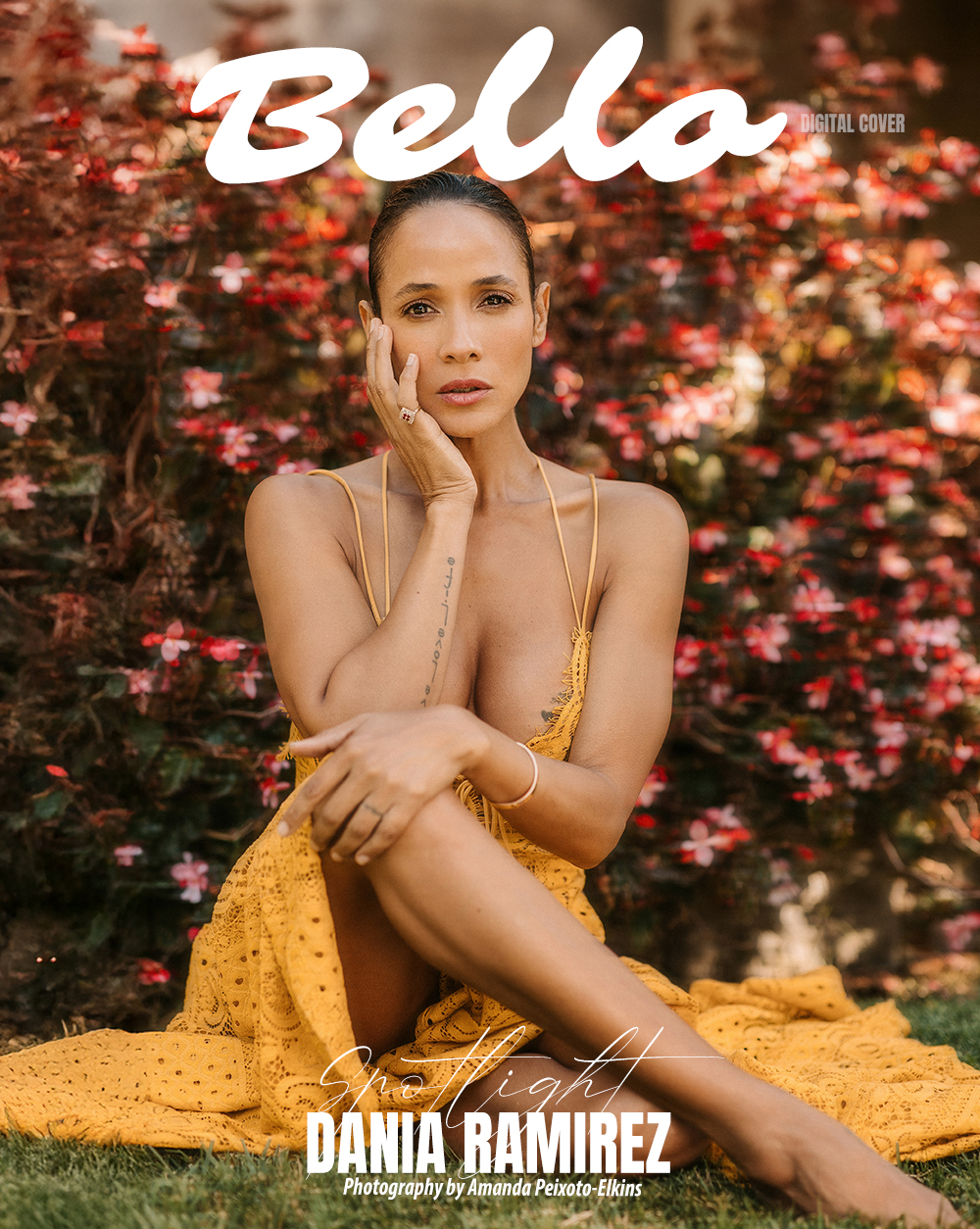
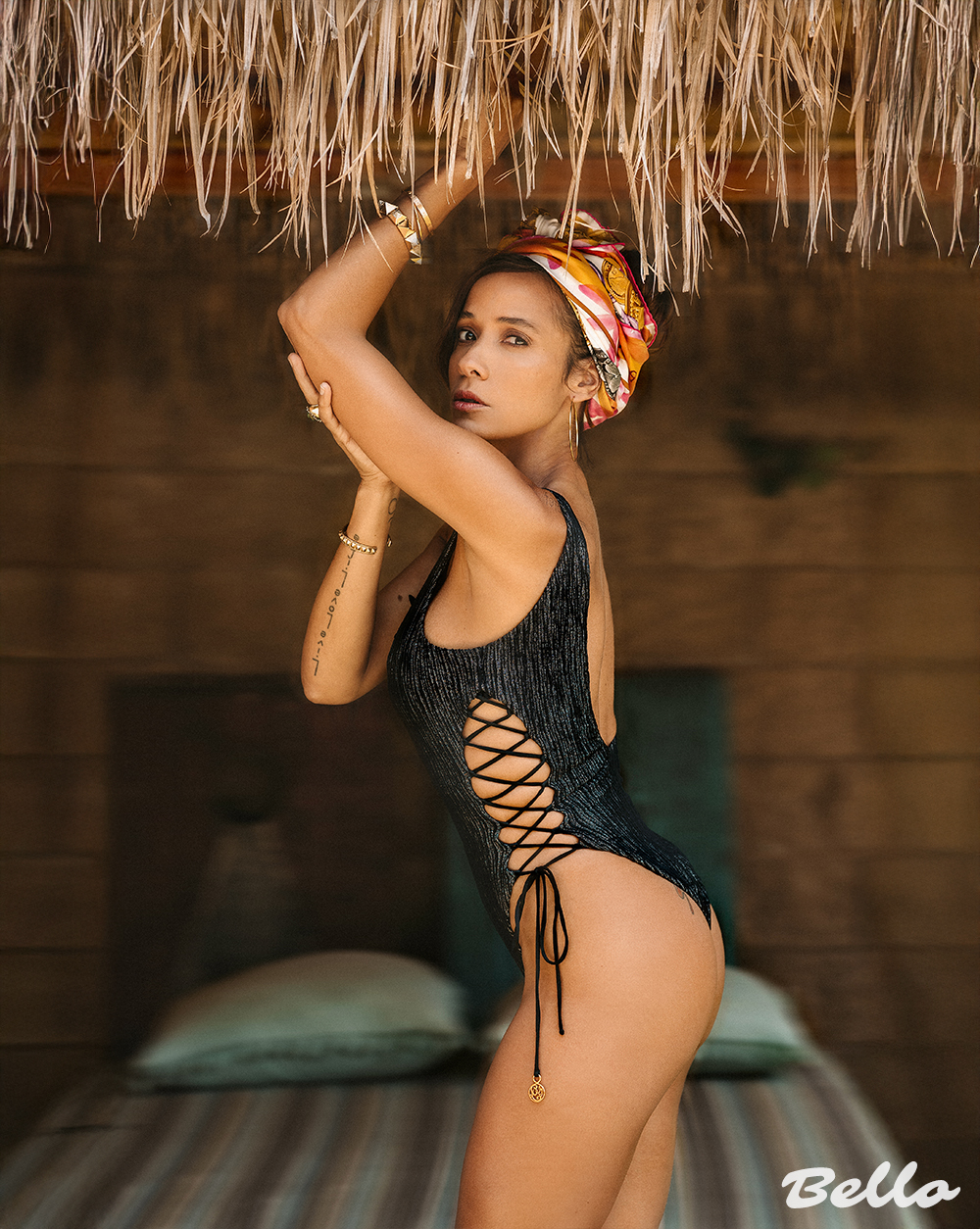
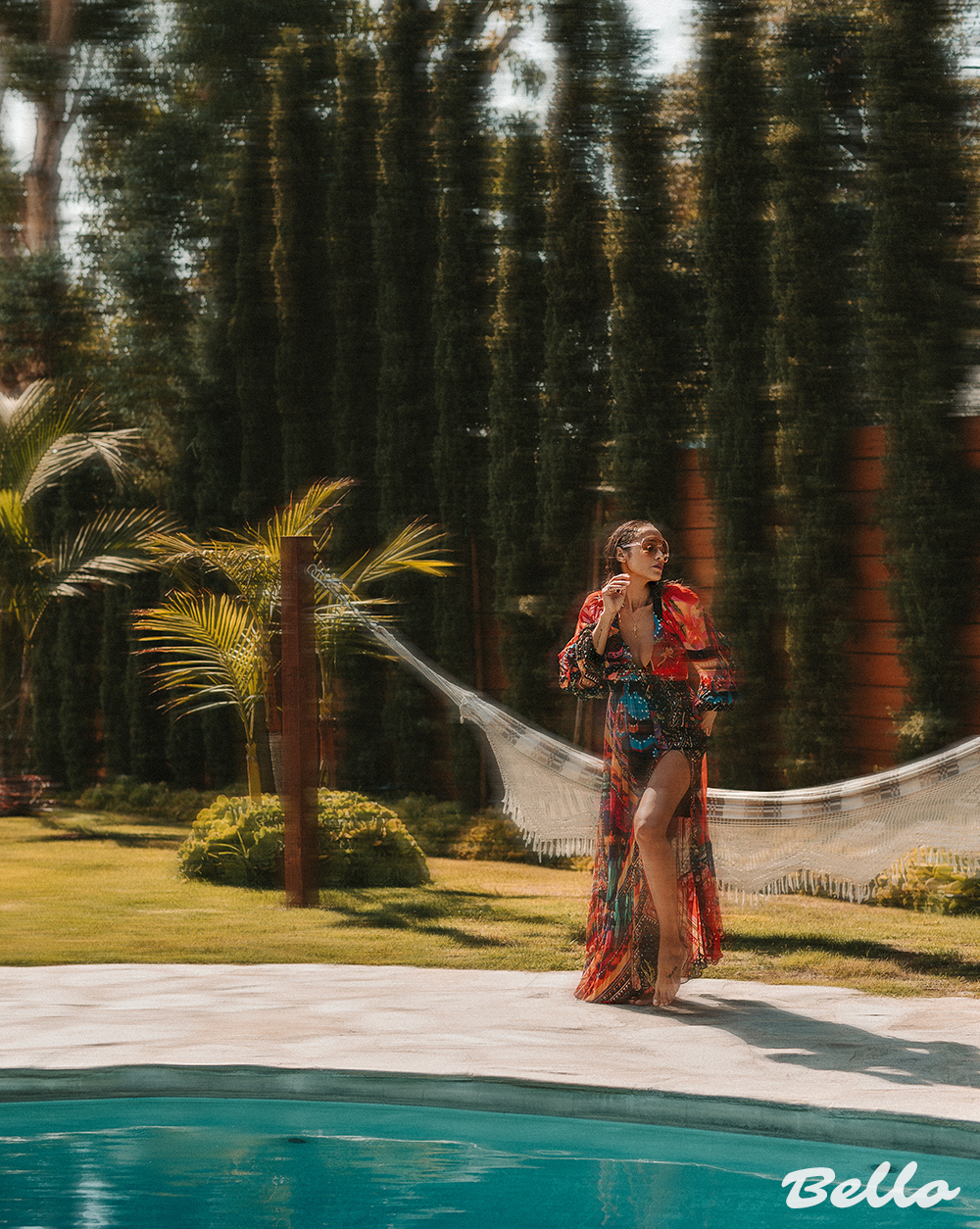
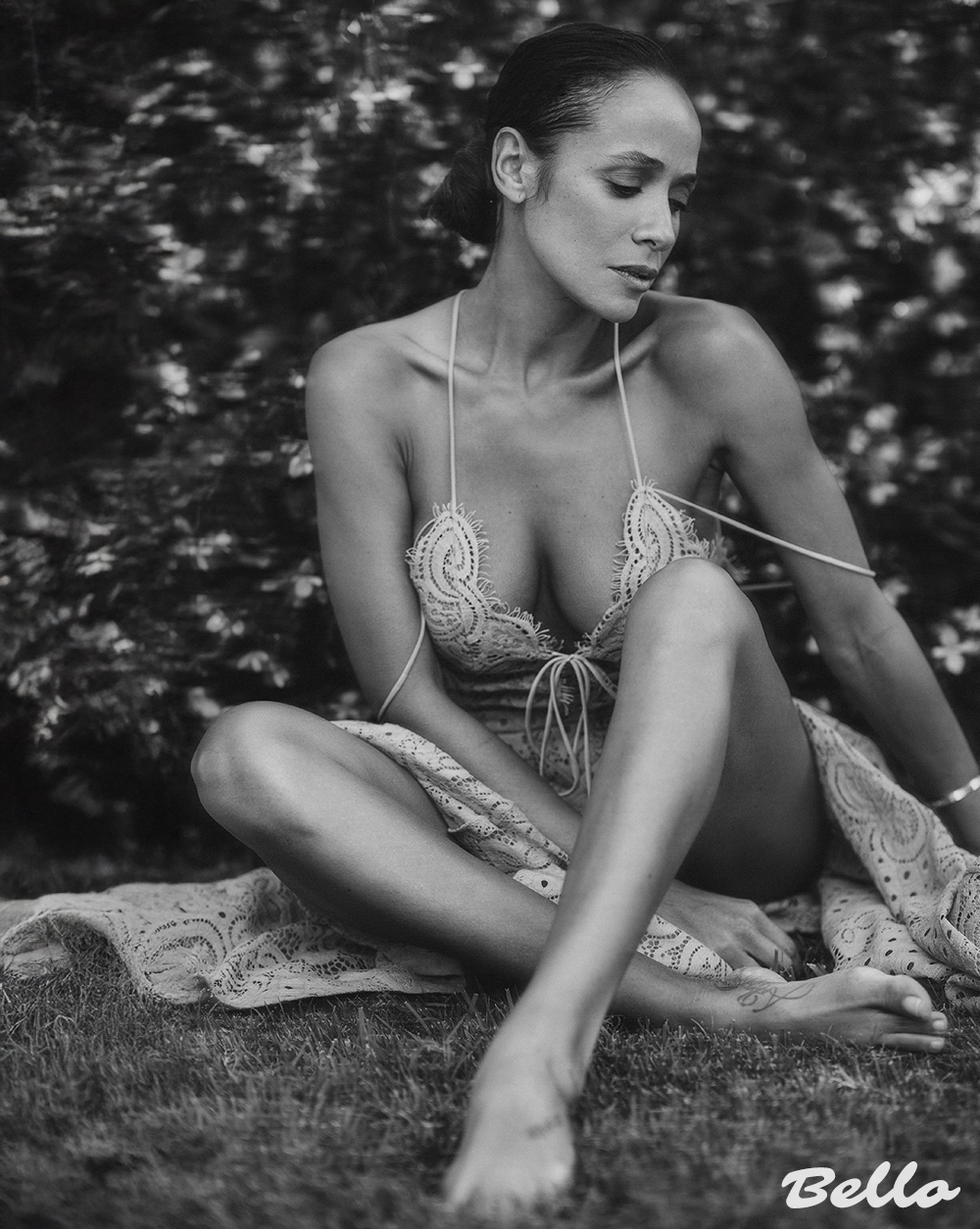
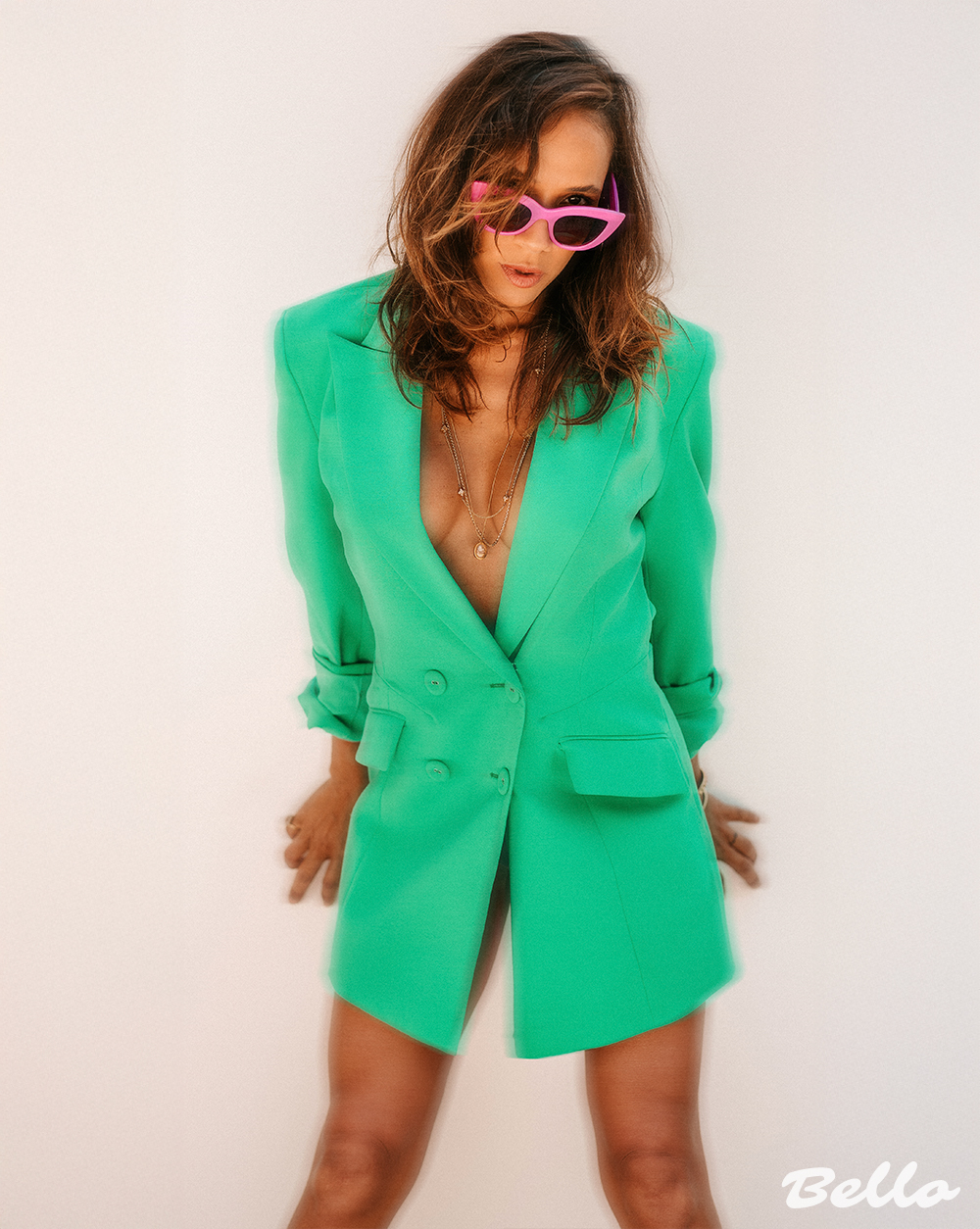
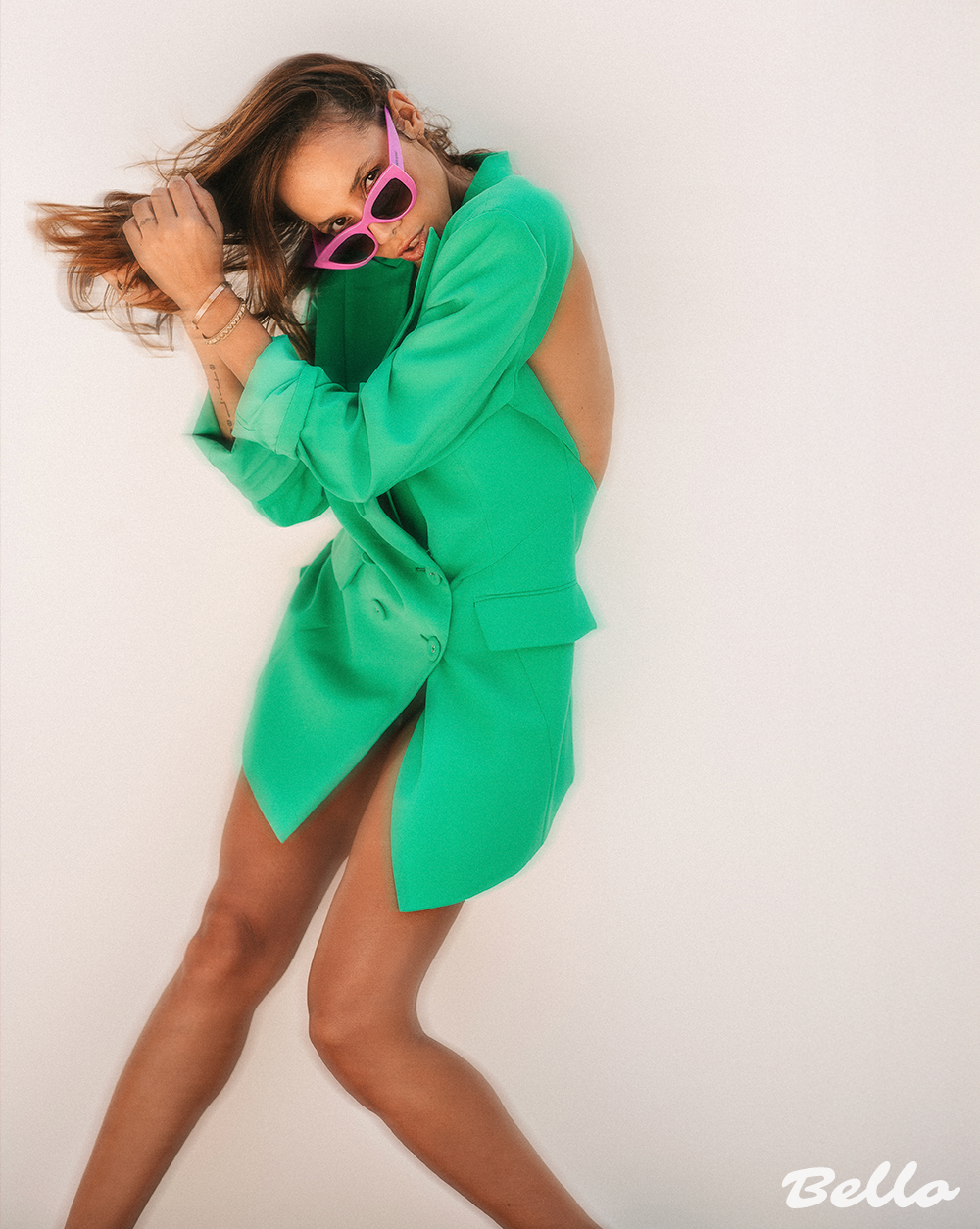
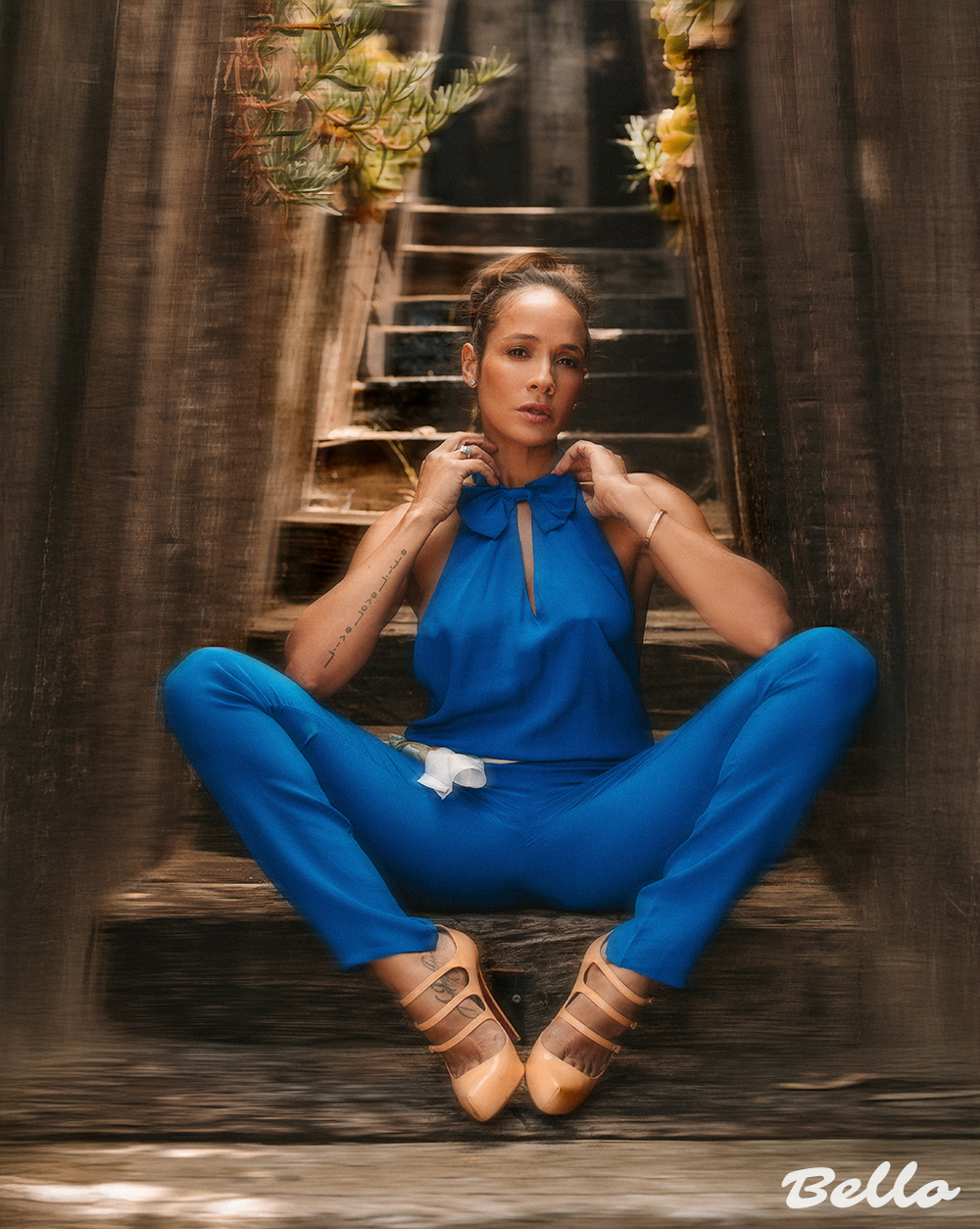
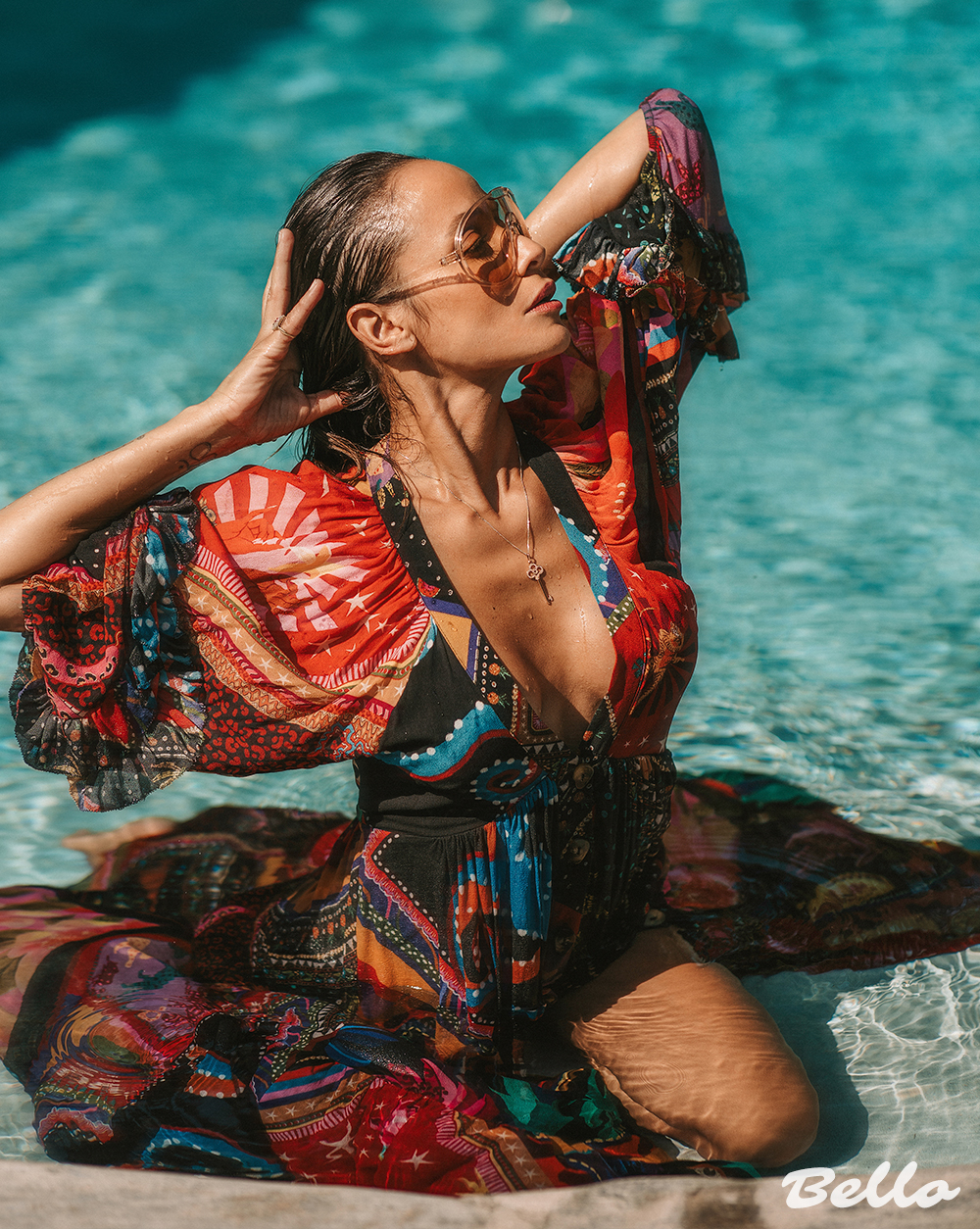
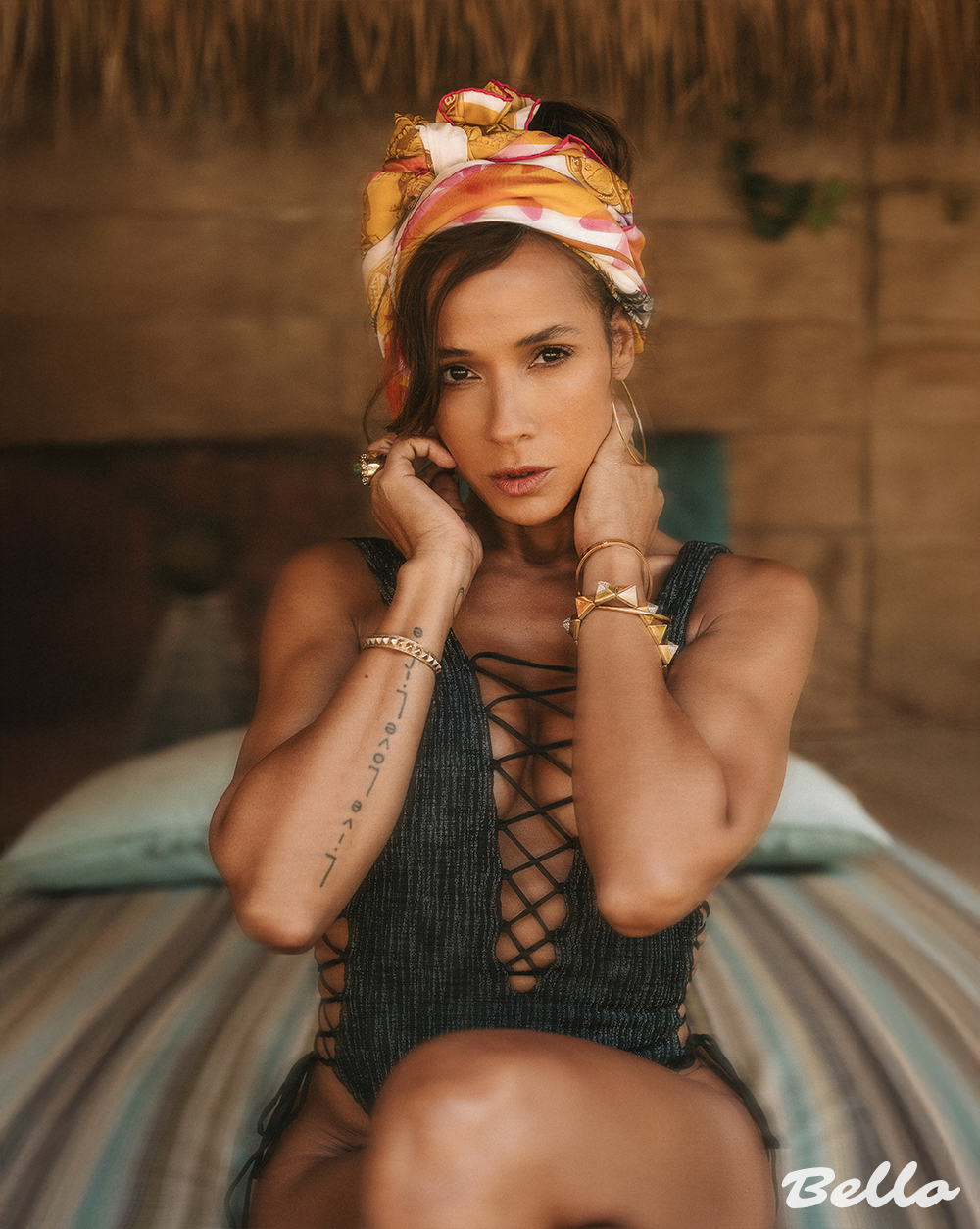
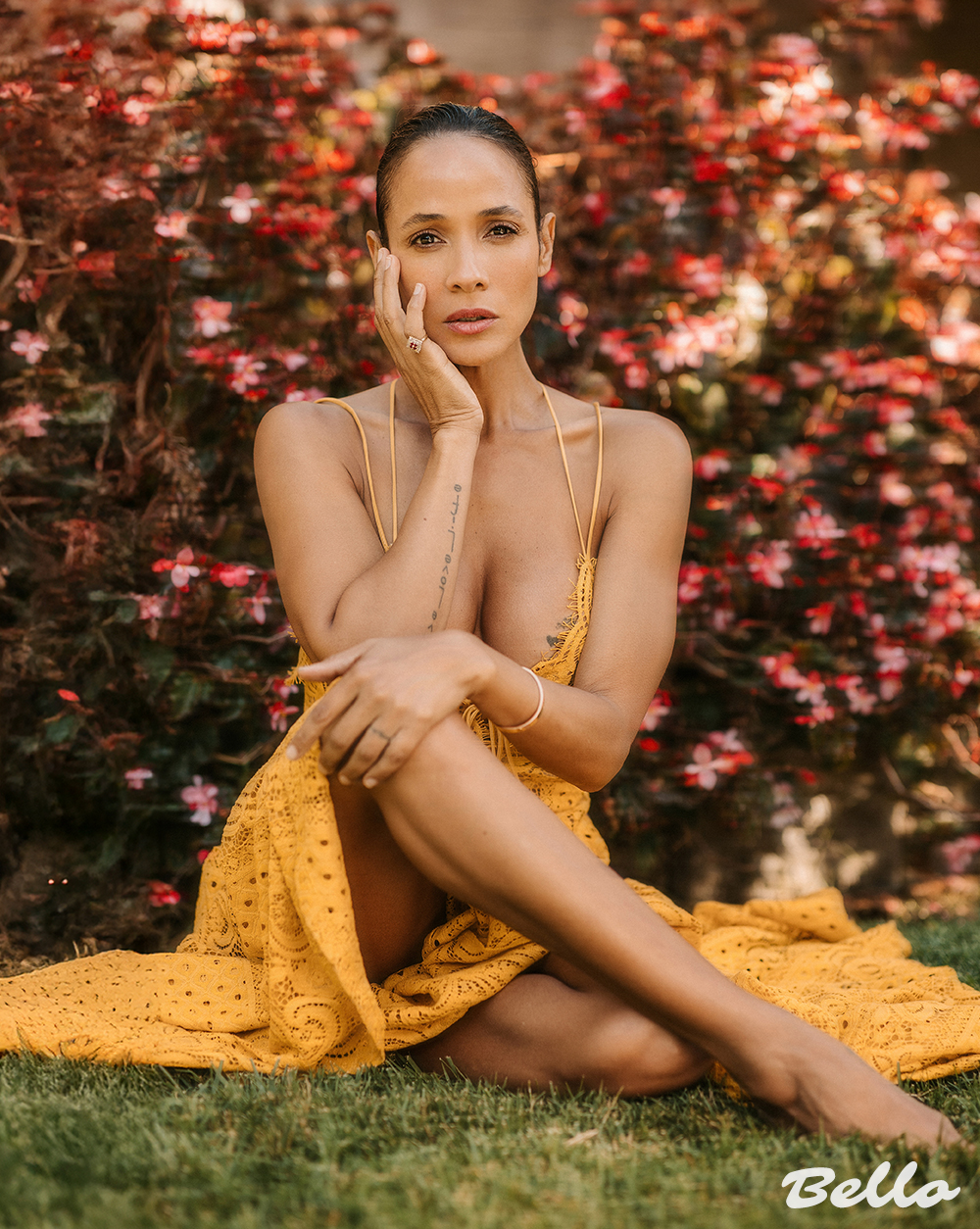
Dania Ramirez @daniajramirez photographed by Amanda Peixoto-Elkins @amandapeixotoelkins Glam Michal Cohn @michalbridalmakeup
After years of navigating an ever-evolving career that’s spanned modeling, acting, producing, and entrepreneurship, Dania has returned to where it all began, the Dominican Republic. But this homecoming is different. It’s emotional, spiritual, and creative all at once. Between developing and getting ready to produce the film Xiguapa; a project deeply rooted in Dominican mythology and indigenous history and feminine power that transcends time and space, and drafting the proposal for her first book, a “Memoir +” that intertwines self-help and storytelling, she’s finding new meaning in slowing down and reconnecting with her origins.
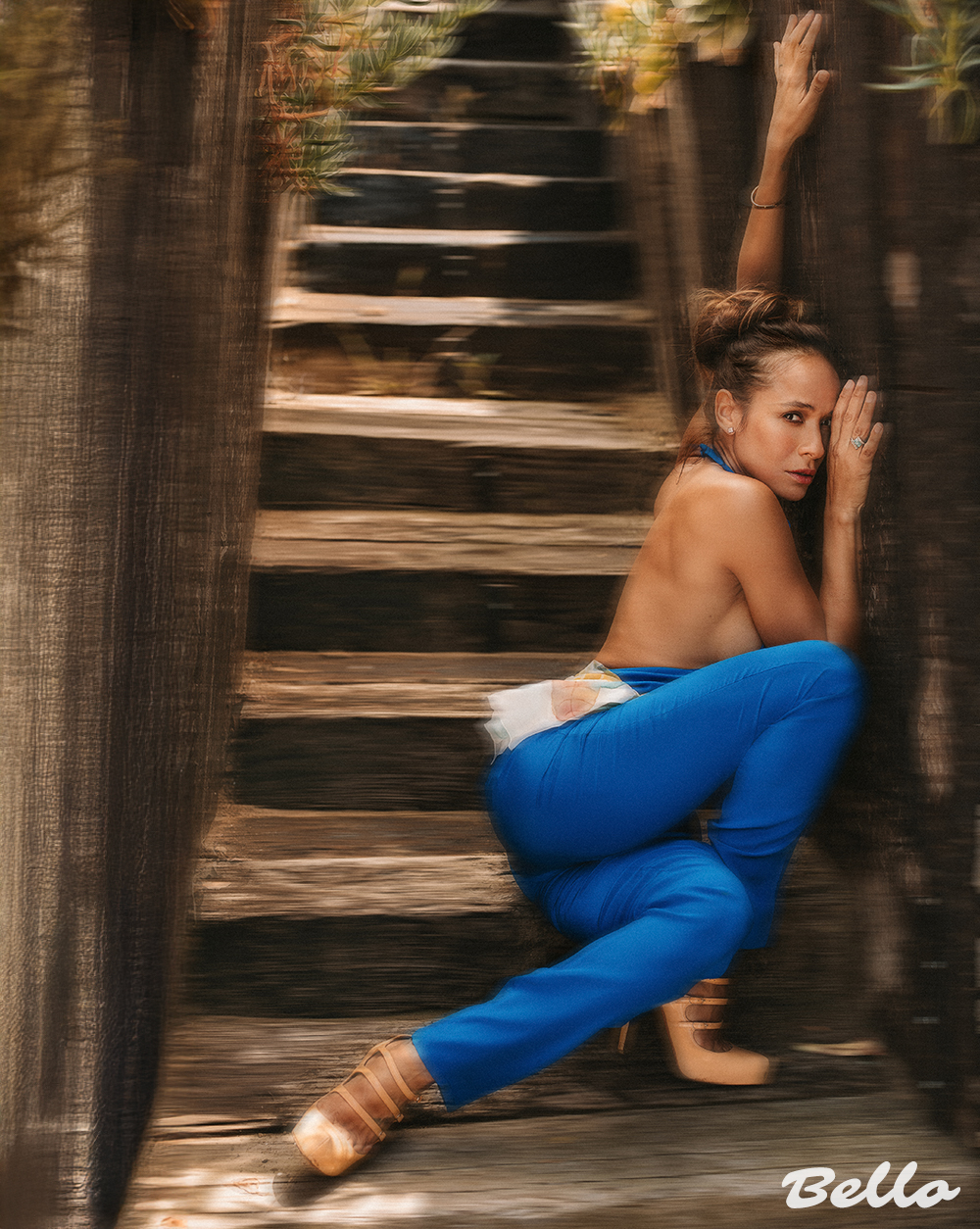
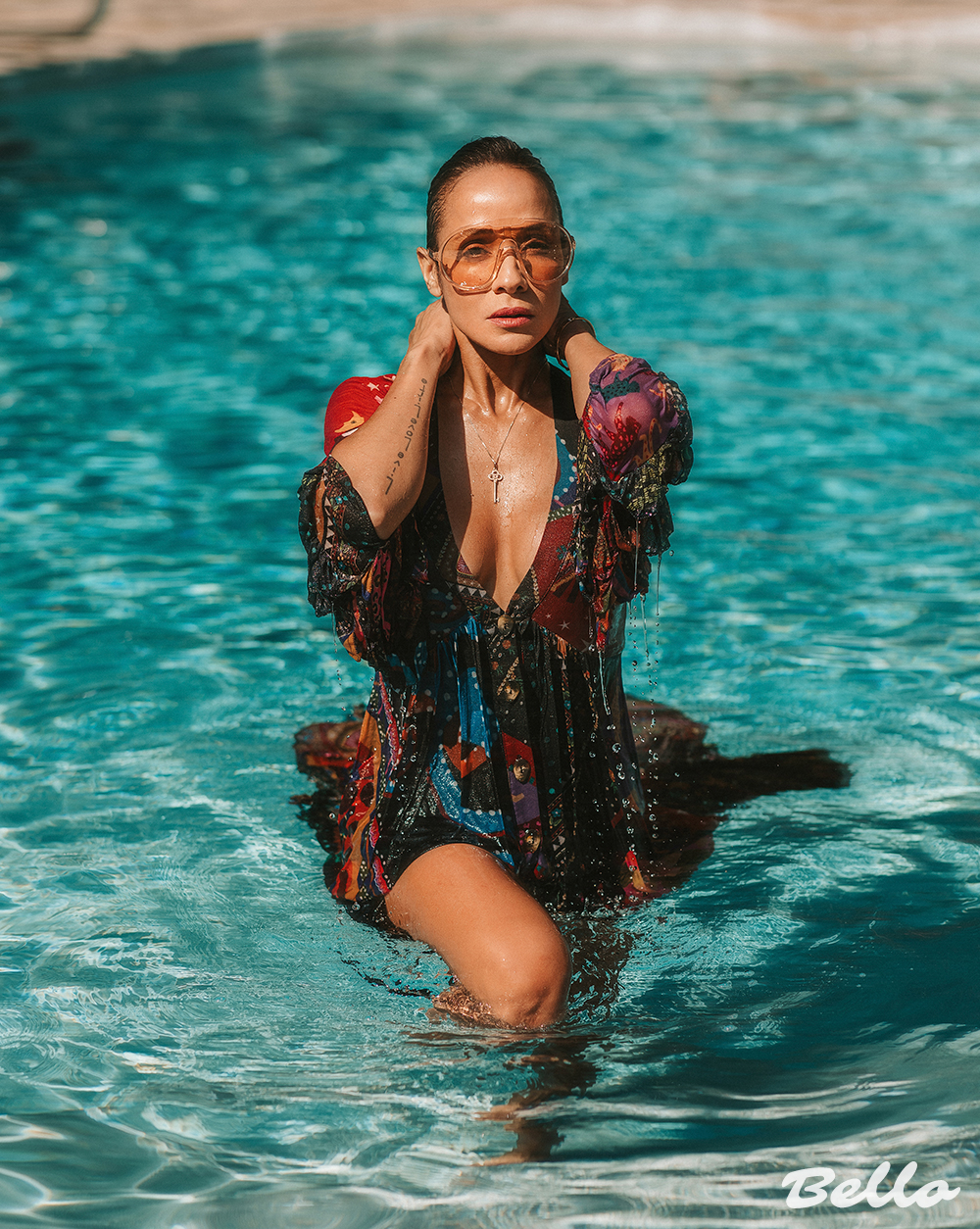
You’re back in the Dominican Republic, the place where it all began. How does it feel to reconnect with your roots after so many years of living and creating abroad? It’s emotional in ways I didn’t expect. I have been traveling back home more often in the last few years as I wanted my husband and children to connect with all parts of who I am. There’s something about the air, people, the heat, the rain, the rhythm of life here that instantly grounds me. Being home reminds me of who I was and still am at my core before the world knew me… the little off-beat girl who dreamed big. It inspires me to share myself like I never have.
From Santo Domingo to New York, what was the first performance that clicked as yours, what did early NYC teach you about resilience that training can’t knowing what you know now? In the beginning, I didn’t really think when I performed, and I think that’s when I am at my best. Just raw and present. My role as Blanca on The Sopranos was probably the truest to me at that time, which is why the more “studio” campy roles that came after never felt as connected. I’ve learned over time that it’s not the character that come from a place that is you 100%, it’s the emotion that has to feel real and yours. The rest is secondary. New York taught me resilience in a way no training could. It’s a city that doesn’t slow down for anyone, and navigating it alone at the early age of sixteen taught me to get up quickly from my lows. The faster I stood back up, the faster I could move forward. In that city, you learn that everything you become is entirely up to you.
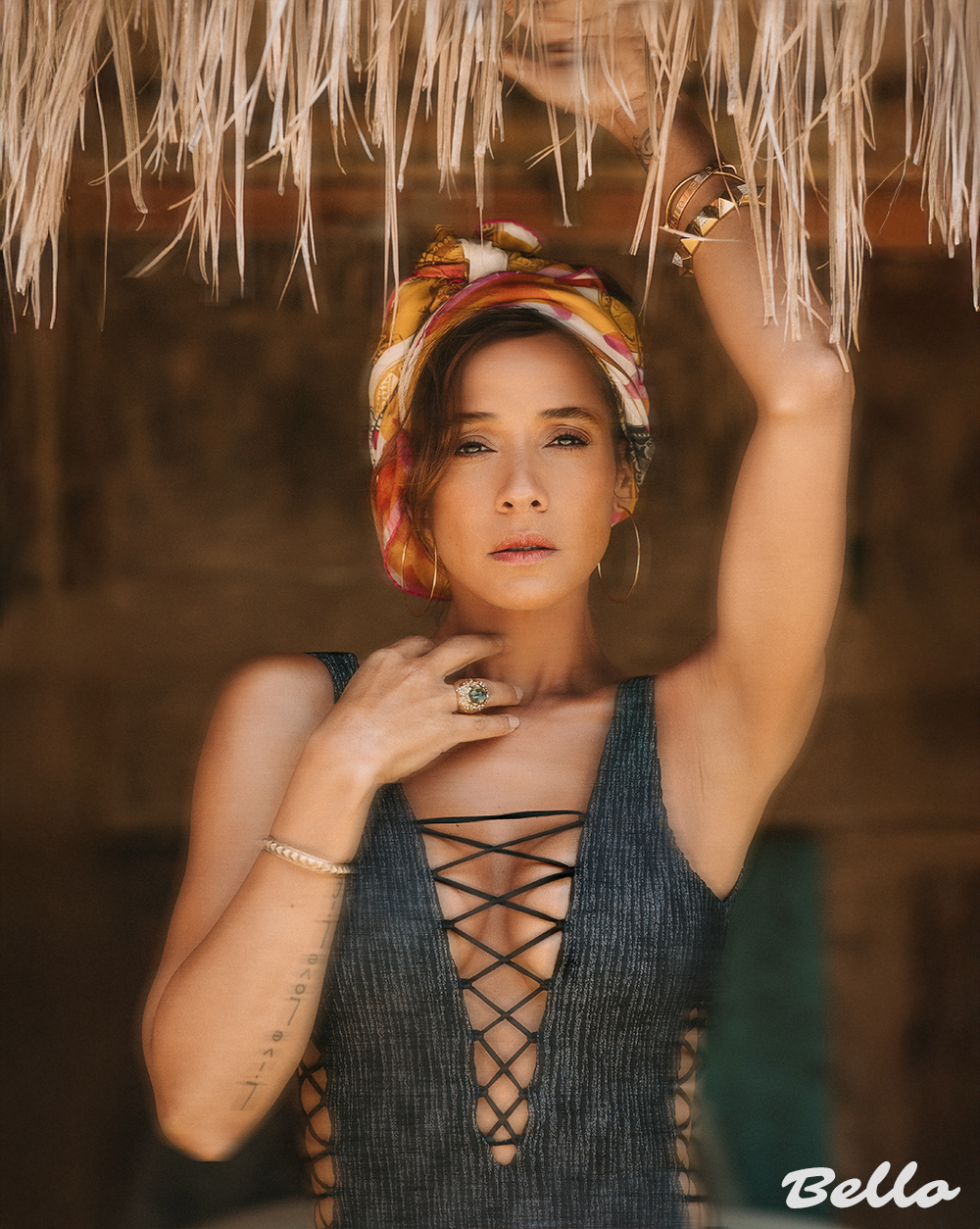
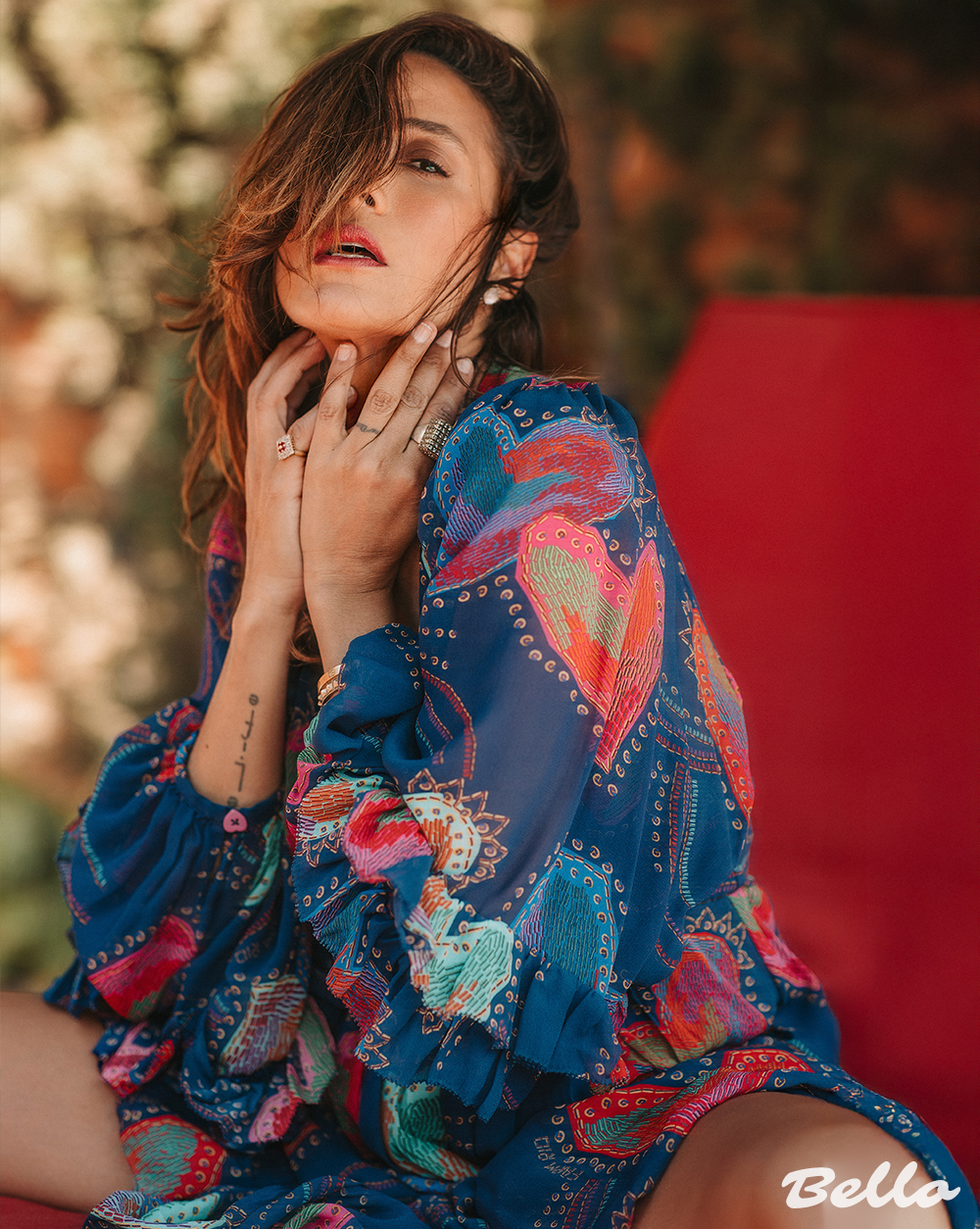
What emotions have surfaced while being home, especially after losing your grandmothers, who played such a big role in your upbringing? This visit has been about finding ways to honor them by figuring out a way to give back to my hometown. I am toying with different ideas but I think I would like to do something small at first and more contained to bring joy and light to kids like they once brought to so many of us when we were children.
Name the day on set you would bottle forever: place, people, and why it flowed, and the collaborator who most changed your instrument; how can we hear that change now, maybe in one precise beat that taught you timing? It was my first day back on set for Sweet Tooth after sharing with my co-star Nonso Anozie that my character wouldn’t be returning for another season. He was, as always, so giving and kind, but that day carried a deeper mix of joy, loss, respect, and creative connection that I’ll never forget. I don’t even know if he’d remember that moment as anything different, but for me it stood out. I’ve worked with people who weren’t always respectful, so being met with someone like Nonso reminds me that there are good ones out there; artists who lead with heart and generosity. Now, when I am met with a negative or abusive energy on set, I think of that moment to remind myself to be graceful and grateful for people like him. Sweet Tooth was, in many ways, the best experience of my career. Not just because of him, but because it started from the top; everyone cared, everyone showed up. We built a family. And that’s what stays with you: not just the talent, but the people who make the work meaningful long after the camera’s story.
You’ve shared you’re developing/producing a film project in the DR. What’s the heart of this story, and why does it need to be told there and now? “Xiguapa” feels like a reclamation of identity. It’s a story rooted in mystery, strength, and survival. All themes that resonate deeply with me as a Dominican woman. I will play Evy, the head of the Dominican DEA, whose obsession with taking down Narcos stems from losing her mother to a stray bullet as a child. When an American task force is sent to the Dominican Republic to recover drugs dropped deep in the jungle, Evy leads them into terrain that’s both dangerous and sacred land protected by the spirit of the Xiguapa. At its core, it’s a Predator-style thriller, but it also explores how colonization disrupted our indigenous heritage, and how the legend of the Xiguapa was born from the death of a woman who once fought to protect her people. When I first spoke with director Francis Disla, “El Indio,” about this story three years ago, I felt an instant connection. It is a passion project for me. Producing it here feels like both a creative and emotional homecoming, a love letter to my country and a reminder that Dominican stories deserve to be seen on the world stage. If all goes well, we’re hoping to begin filming principal photography early December of this year or the beginning of next year.
After building a successful career in the United States, how are you approaching this producing chapter in your home country? My goal is to keep creating, but also to help elevate Dominican cinema with projects that speak to a universal audience. Xiguapa will be my first Spanish-speaking film, yet it also has English dialogue, which I hope gives the Dominican Republic more visibility in the international market. The industry in Dominican Republic is really growing; there’s so much talent, so much heart. And the landscapes, no studio in the world can replicate what this island naturally offers. Producing here feels like the right next step, both creatively and personally.
How has being back home influenced the creative process of “Xiguapa” and the stories you want to tell next? Being home is grounding me. It’s reminding me why I fell in love with storytelling in the first place to connect, to heal, to celebrate where we come from. Working with directors like Francis “El Indio” Disla, who still have that pure, childlike love for cinema, inspires me. At this point, what brings me joy is collaborating with kind, passionate people and opening doors for artists like that. That’s where the magic is for me now.
You’ve constantly evolved within the industry from modeling and acting to producing, making music and now writing. What guides your reinvention while maintaining your authenticity? It’s always been healing for me to share myself with the world. At one point, I think I was seeking validation, love from others etc., but now I see myself more as a messenger of love. That shift changed everything. What guides me is curiosity and truth in myself and in others. I’ve constantly have had to start over, to switch gears and even though it scares me, I’ve never held back; being an immigrant teaches you that. You learn early on that starting over isn’t a setback, it’s a strength. For me, reinvention isn’t about changing who I am. It’s about peeling back the layers, exploring who I’ve been, who I’m becoming, and finding new ways to express that truth.
You’ve described your upcoming book as a “Memoir +” Part personal story, part self-help. What inspired you to share your journey in this way? I wanted to write something that could truly help others while being completely honest about my own journey. A few years ago, in 2017, something happened that pushed me to what I now call “the place of no return.” I lost my mind, and after a year of medication and deep transformation, I found my way back. I’m not here to preach or pretend I have all the answers. I just want to share the highs, the heartbreaks, the traumas, and the healing I’ve been through in the hope that it inspires others to help themselves. In this industry, you’re often encouraged to “play ball” and only show the pretty side. But I’ve learned it’s in the dark moments, the struggles, where growth really happens. This book is about resilience, and the lessons that shaped me. It’s also a reminder that struggles with mental health can either hold you down or help you evolve. We’re not alone in this journey, and if my story can bring a little light to someone else’s, then that’s my purpose.
What have you learned about yourself in revisiting your life from the beginning? I’ve learned that I hold all the cards when it comes to how my life and my relationships play out. To share my best self with the world, I first have to show up that way for myself and for my core people. That’s my family, my close friends, even the ones who’ve challenged me. Life has given me the chance to revisit my current relationship and past relationships and focus on the good. To see them with empathy, to forgive, to accept, and to release any feelings that don’t belong to me. Everyone carries their own baggage, and now I try to meet that with love. Even when there’s conflict, I try to fight from a place of love. I used to think strength had to look tough or loud. Now I understand that real strength is softness with boundaries knowing when to surrender and when to stand firm.
You’ve spoken about your children getting to know their roots. What does it mean to you to share this part of your story and your homeland with them? It means everything. I want them to understand where they come from, to get to know me not just as their mom but for who I am outside of that. I want them to feel the warmth, the music, the pride of our culture. They have been doing their Duolingo religiously and being here has made it easier for me to encourage them to keep going. This trip has been as much for them as it has been for me.
If your grandmothers could see all that you’re doing now, producing a film, writing a book, dreaming of a boutique hotel, what do you think they’d say? They’d probably smile, hold me tight and feel proud. I don’t think it would register for them the way it would for many other people. They were simple women both very different, one would want to put me on her lap and hold me like she did as a baby and the other would want to share with me how she also had always had that entrepreneur spirit, but in the end they would both just say, “As long as you’re happy, that’s what matters.”
When the world sees this new chapter of your life, what do you most hope they take away from it? That everything is possible and success means different things to different people and to me now it’s more about finding out ways I can serve those that care to know me in the positive way. It’s never too late to come home to your roots, to your truth, to yourself.
What is a role you haven’t played yet that would scare you in a good way? I’ve always been drawn to roles that push me, and one that excites and scares me is Ishtar. She’s a goddess of love, war, and power — fierce, unpredictable, and deeply complex. Playing her would challenge me to explore contradictions: vulnerability and strength, desire and strategy, tenderness and ferocity. It’s a role that’s larger than life, yet demands real emotional depth, and that tension is exactly what draws me to it.
A book on your nightstand you keep underlining: The Seven Spiritual Laws of Success by Deepak Chopra.
A song that brings you back to Santo Domingo instantly: Madre Mia from Sergio Vargas.