
By Sanjana Thapa
The Warning Signs Behind a Workplace Harassment Claim
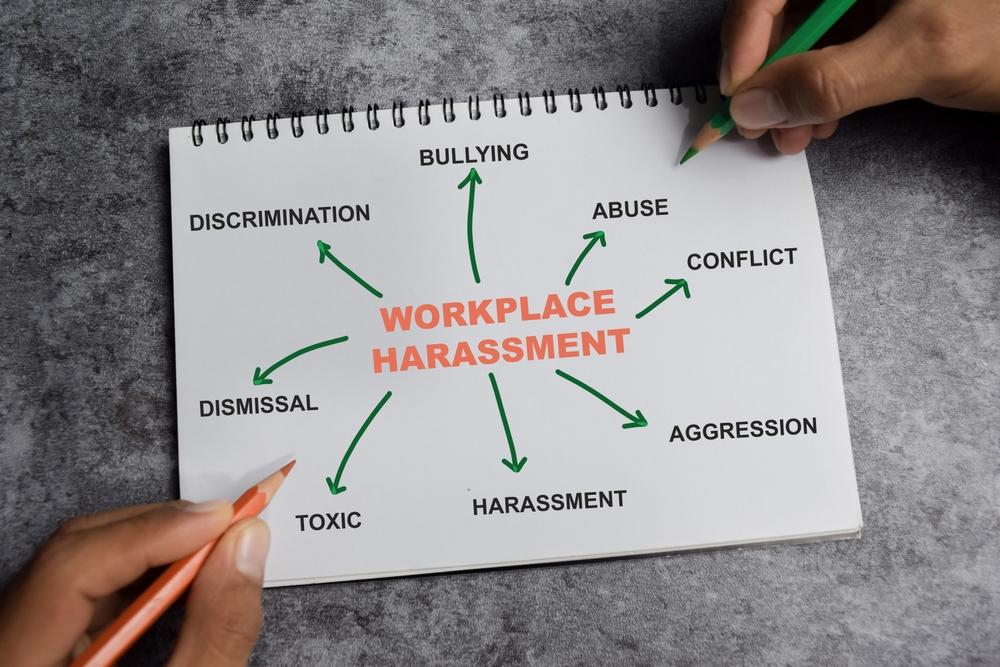
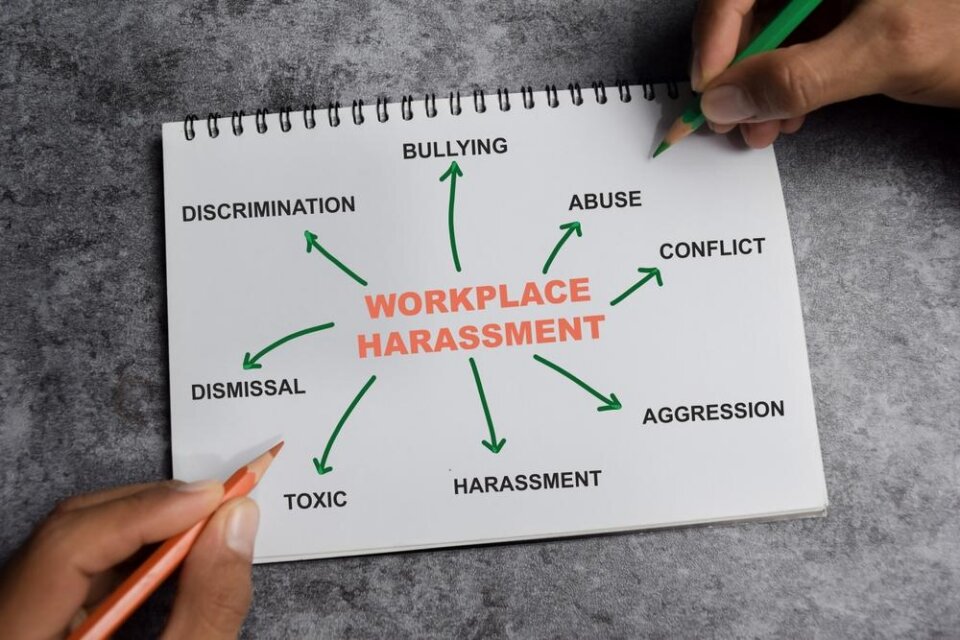
Workplace harassment does not always arrive with a loud argument or an obvious insult. Sometimes, it starts with a comment that feels wrong, a joke that keeps getting repeated, or treatment that slowly becomes harder to ignore. One incident may seem easy to brush aside, but repeated conduct can create a different picture.
Employees dealing with this kind of workplace problem may have questions about their rights and possible next steps. Those concerns may lead someone to speak with a lawyer for workplace harassment claims about the facts involved. The warning signs often begin with small changes, repeated behavior, and a pattern that becomes harder to dismiss.
Repeated Comments That Cross a Line
Words can create a serious workplace problem, especially if offensive comments keep coming from the same person. Insults, personal remarks, jokes, or comments about someone’s race, sex, religion, age, disability, or another protected characteristic may raise concerns depending on the facts.
A single rude comment does not automatically amount to unlawful harassment. Context matters, including what was said, how often it happened, who was involved, and how the conduct affected the workplace.
Jokes can also become a concern if the same person keeps making them after others have shown that the comments are unwanted. Employees should pay attention to repeated remarks instead of assuming they must simply tolerate everything said at work.
Unwanted Conduct Becomes a Pattern
Harassment can involve more than words. Unwanted touching, repeated messages, personal invitations, gestures, or other conduct may become concerning if the behavior continues after it is clearly unwanted.
Workplace communication can also happen through email, text messages, team chats, or other digital tools. A person does not have to be standing beside a coworker for conduct to create a workplace issue.
The pattern matters. Several incidents that seem small by themselves may provide different context once they are viewed together. Employees may want to keep track of what happened, who was involved, and how often the conduct occurred. Those details can help create a clearer record.
Threats, Intimidation, or Pressure at Work
Some workplace conduct becomes more serious through threats or pressure. A supervisor may threaten an employee’s schedule, assignments, pay, or job after the employee refuses unwanted conduct. A coworker may also use intimidation to make someone stay quiet or avoid reporting a problem.
Workplace disagreements can happen for many reasons, so not every argument or tense conversation is harassment. The surrounding facts matter. The words used, the person involved, the reason for the conduct, and what happened afterward can all provide important context.
Employees should also pay attention to conduct that appears connected to a complaint or refusal. A sudden change in treatment may raise another workplace concern that should not simply be ignored.
Your Work Environment Starts Changing
Not every warning sign looks like direct harassment. Sometimes, the workplace itself starts to feel different because of repeated conduct.
An employee may be regularly excluded from normal communication, embarrassed in front of coworkers, targeted with offensive remarks, or treated differently after rejecting unwanted behavior. One change may have a normal explanation, but repeated treatment can raise more questions.
The details matter here. A person may want to compare how they were treated before the conduct began with what happened afterward. Work assignments, meetings, schedules, communication, and interactions with supervisors can all provide useful facts.
Looking at the full pattern can be more useful than focusing on one uncomfortable incident alone.
What Happens After You Report the Conduct?
Reporting workplace harassment can create another set of questions if treatment changes afterward. An employee may notice:
- Unusual discipline: New warnings or disciplinary action that did not happen before the complaint.
- Schedule changes: Unexpected changes to work hours, shifts, or assigned schedules.
- Exclusion: Being left out of meetings, projects, or normal workplace communication.
- Negative reviews: Sudden criticism or poor performance reviews after reporting the conduct.
- Other workplace changes: Changes in duties, assignments, or treatment that appear different from what happened before the complaint.
Harassment and retaliation are different legal concerns, although they may appear in the same workplace situation. A negative workplace decision does not automatically prove retaliation. The timing, reason given, and surrounding facts all matter.
Employees should keep records of what happens after a complaint, just as they would document the conduct that led to the complaint. A clear timeline can show how workplace treatment changed over time.
Do Not Brush Aside a Pattern
Harassment may not always come with one dramatic event that makes the problem obvious. Repeated comments, unwanted conduct, intimidation, exclusion, and changes after reporting can all become important parts of the overall situation. Paying attention to these signs can help employees recognize a pattern instead of treating every incident as unrelated.
For someone facing serious concerns, discussing the facts with a lawyer for workplace harassment claims may provide information about possible legal options and the process that may apply. The specific facts and applicable law ultimately determine what a workplace situation may mean.