


The New Fashion Cities
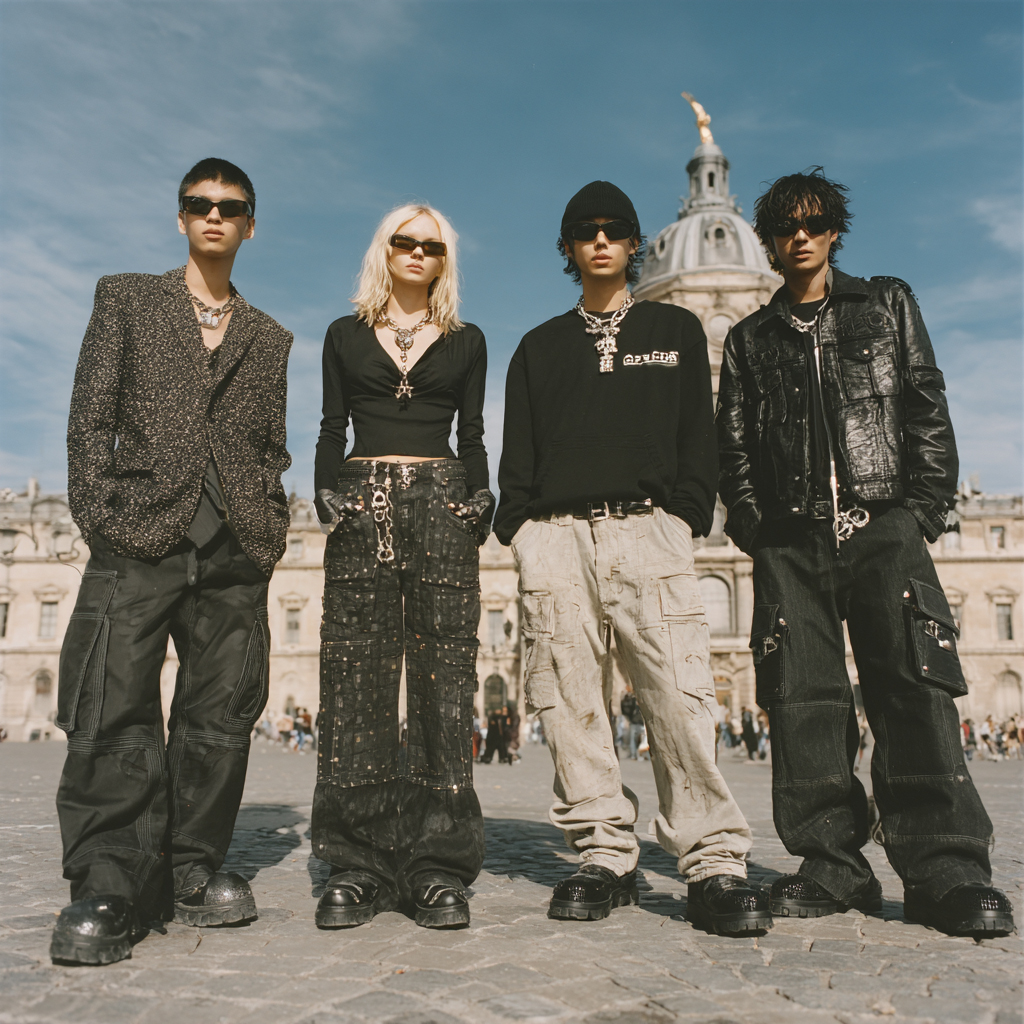
For decades, Paris, Milan, London, and New York formed fashion’s undisputed core. These capitals shaped global style, set the industry calendar, and drew the world’s top talent. In 2025, that dominance is shifting. A new generation of cities is claiming relevance on the international stage, backed by strong creative identities, growing fashion weeks, and increasing international attention from press, buyers, and investors.
Belgrade
Belgrade has steadily built a credible position as a regional fashion hub. Since its first fashion week in the mid-1990s, the Serbian capital has fostered designers whose work blends Balkan heritage with contemporary silhouettes. Names like Ana Ljubinković, Ivana Pilja, and George Styler have shown both locally and abroad, creating a pipeline of talent that resonates beyond Eastern Europe. Pop-up showcases and design markets now draw both domestic consumers and international scouts, signaling a maturing creative economy that is ready to export.
Mexico City
Mexico City’s rise reflects the global appetite for authenticity and cultural depth. Designers such as Carla Fernández are redefining luxury by working directly with indigenous artisan communities, producing collections that merge traditional craftsmanship with architectural precision. Fashion Week Mexico City has expanded its reach, attracting buyers from North America, Europe, and Asia. The city’s broader creative ecosystem — from art fairs to design festivals — reinforces its positioning as a destination where fashion is part of a larger cultural dialogue.
Seoul
Seoul has moved firmly into the role of trend originator. The city’s fashion week, celebrating its 25th anniversary in 2025, is now a fixture for international press and buyers. Supported by the global influence of K-pop and K-drama, Seoul’s designers balance innovation with commercial savvy, producing collections that travel well in both the luxury and streetwear markets. The government’s strategic support for the fashion industry, coupled with a digitally fluent consumer base, has positioned Seoul as a key player in setting global style trends.
The Global Shift
These emerging fashion capitals are not replacing the traditional four, but they are reshaping the hierarchy. Each offers a distinctive combination of cultural identity, creative talent, and market potential. For global fashion, this diversification means more varied aesthetics, new business opportunities, and a broader audience reach. The industry’s future will be defined not by a handful of cities, but by a network of creative centers connected through shared ambition and global visibility.
Mexico City
Mexico City has evolved into a cultural and design powerhouse where tradition and modernity converge. Icons like Carla Fernández reinterpret indigenous textile legacies through minimalist yet expressive designs grounded in collaboration with local artisan communities Peek+6Wikipedia+6Carla Fernandez+6. The city’s Fashion Week platform also shone this spring when Fernández closed the event with a standout ceremony The Business of Fashion+1. Meanwhile, street‑level creativity pulses in the work of Italia Segovia (Kumiko), whose “Chicanjuku” aesthetic fuses Chicano and Harajuku styles—bold, symbolic, and resonant Reuters. Mexico City continues to carve its niche through authenticity, color, and rich cultural storytelling. This vibrancy comes across in everything from thoughtful runway presentations to immersive exhibitions like Unique Design X, which redefines fashion and art during Mexico Design Week whitewall.art.
Seoul
Seoul Fashion Week is no longer emerging—it’s firmly established as a global gateway for K‑fashion. Celebrating its 25th anniversary in 2025, the biannual event takes place across iconic parts of the city—from Dongdaemun Design Plaza to Cheongdam, Hannam, and Seongsu—doubling as a cultural forum and runway showcase Instagram+7Official Website of the+7modemonline.com+7. It’s become a cultural phenomenon, riding the wave of K‑pop and K‑drama, and offers both global buyers and local designers a dynamic platform to connect fazbuy.com. Seoul’s fashion narrative blends tech‑savvy presentation with community spirit, turning each show into a statement of creative soft powerkoreajoongangdaily.joins.comkoreaherald.com.
Beyond the Capitals
What unites these cities is not geography but attitude. They champion sustainable design, celebrate cultural heritage, and build creative ecosystems that transcend traditional fashion hubs. These places are incubators of identity where style is lived and crafted long before it’s shown.