By Mary Armitt
The Floral Gift Guide for Every Month of the Year
I once sent the same bouquet seven months straight, and by the third one my sister could guess the arrangement before she opened the box. So I rebuilt my gifting calendar from scratch. Now every month gets a flower that actually suits the season, a deadline I write down, and a price I stick to.
This guide walks you through all twelve, so you can stop defaulting to roses and start sending something that fits what’s happening outside your recipient’s window.
Here’s the promise: by the end you’ll know what to order each month, what to say on the card, and which months to book earlier because everyone else is buying too.
January: Give the Month a Little Optimism
January is gray in about forty states, and grocery store tulips are the cheapest antidepressant on the market that isn’t actually medication. Forced bulbs and potted amaryllis work because they keep living after the card gets recycled. Your friend who hates cut flowers will still keep a paperwhite on her kitchen sill all month.
What to write: skip anything about New Year’s resolutions. Nobody wants a reminder of their goals pinned to a vase. Go with something like “for no reason other than it’s cold.” That lands better than inspirational quotes, I promise.
Budget tip: tulip prices spike around Valentine’s Day, so send them in the first two weeks of the month before wholesale buyers start pulling supply.
February: The One Month Everyone Is Buying Flowers
You already know February is the busiest stretch on every florist’s calendar, and red roses get marked up hard. Order at least a week before the date. If your local shop is already sold out, a national delivery service can still save you here, and this is exactly where 1800flowers earns its place in my rotation. I use it when I’ve procrastinated past the point of pickup.
Consider skipping roses anyway. A mixed bouquet of tulips, ranunculus, and stock costs less and often looks fresher, because rose supply gets stretched thin that week. Your recipient won’t be disappointed unless they specifically asked for red roses. Ask.
March Through April: Spring Arrives, and So Do Daffodils
Daffodils and hyacinths are the honest signal that winter is ending. They’re also cheap, which means you can send two small arrangements instead of one big one. I split my budget this way for my mom and my aunt and both felt like they got the good one.
One warning: daffodil stems release a sap that shortens the life of other flowers. If you’re building a mixed vase yourself, condition them separately for a few hours first.
May: Mother’s Day Prep Starts Earlier Than You Think
The Sunday crowds in May are brutal. Most florists sell out by the Wednesday before, and delivery windows shrink fast. Book ten days out, and if you’re shipping to a different state, add two more days of buffer.
Peonies and lilacs are the move if the budget allows, because they’re at peak season and peak romance. Lilacs are short lived once cut, though, so order them for a visit, not a delivery to someone who won’t be home.
A Quick Note on Seasonal Timing
Peak bloom windows move a bit every year depending on the weather, so if you’re timing something for a specific event, check your region’s frost dates before you commit to a type. The Old Farmer’s Almanac publishes planting and bloom timing data by zone, and it’s a solid sanity check before you promise anyone tulips in early March.
June Through August: Weddings, Heat, and Flower Care
Summer is wedding season, which means two things: prices climb, and flowers wilt faster in transit. If you’re sending anything during a heat wave, choose a florist that ships overnight and pay attention to when the delivery will actually land. A box on a hot porch at 2 p.m. is a dead bouquet by dinner.
Hydrangeas, sunflowers, and zinnias handle July well. Garden roses hold up better than the
long stem florist variety in high temperatures, in my experience.
If you’re the one receiving flowers and want them to last, check the forecast before you set the vase by a sunny window. Data from the National Weather Service on local temperatures is a surprisingly useful tool for deciding whether the kitchen counter or the cool hallway is the better spot.
September: Back to School, Back to Basics
Sunflowers get all the attention in autumn, and they deserve it, but September is also your last real window for dahlias before frost takes them in most growing zones. If you have a favorite local farm stand, this is the month to buy straight from it.
Teachers, new roommates, and coworkers starting new jobs all land in this window. A simple single variety bouquet in a bright color beats a mixed arrangement here. September feels like a fresh start, so keep it clean.
October: Colors Get Loud, and That’s the Point
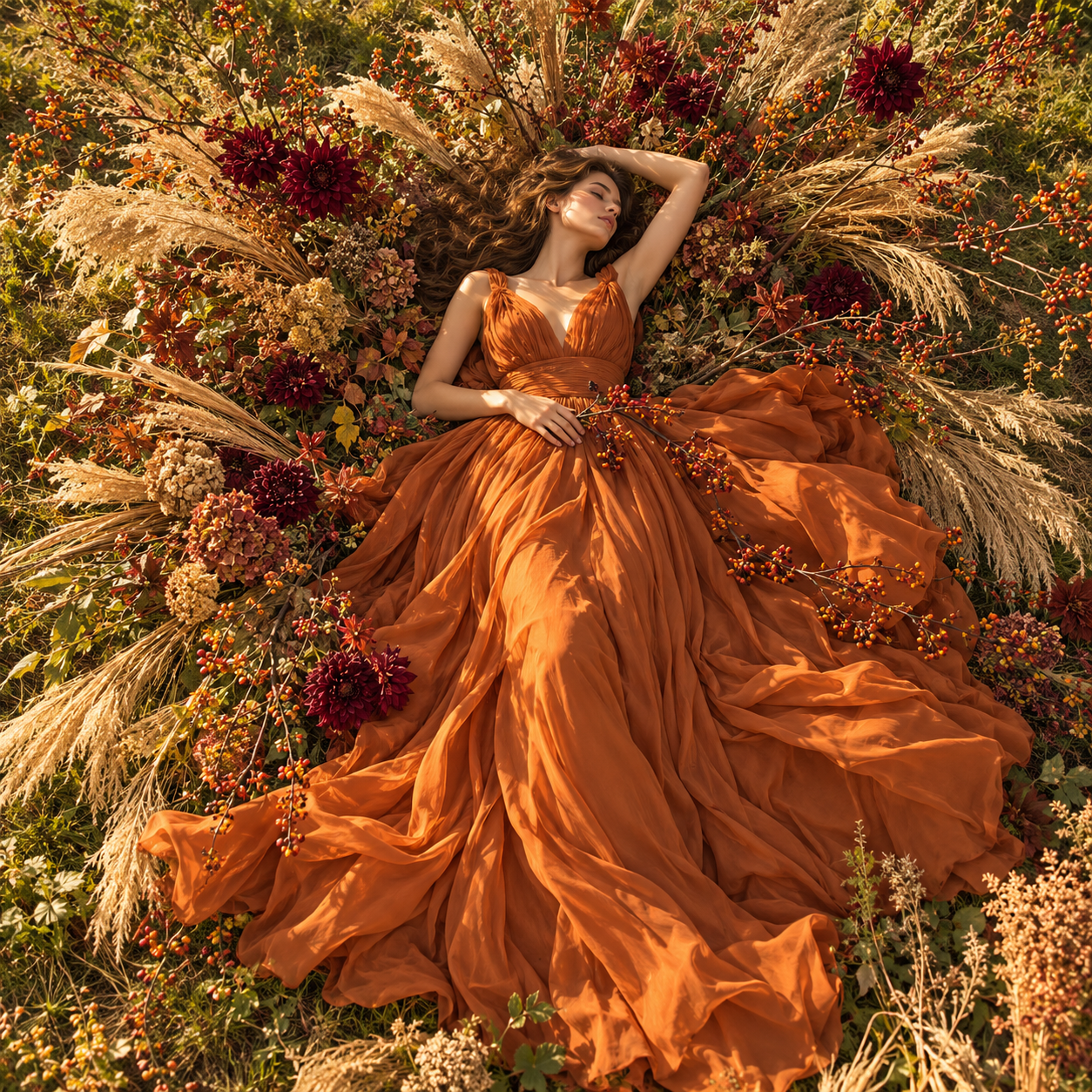
Orange, burgundy, deep yellow. October arrangements basically design themselves. Marigolds, mums, and bittersweet branches all work, and they fit porches and kitchen tables better than a formal vase does.
Here’s the part I got wrong for years: fall flowers dry beautifully. If you send something with wheat, seeded eucalyptus, or dried hydrangea, your recipient can keep it long past the holiday. That’s a gift that stays visible for weeks, which is more than most presents manage.
November: Handle the Holiday Before the Holiday
The week before Thanksgiving is the single busiest delivery window of the entire year for most florists, including the December rush. Order early. I’m serious about this one. If you’re sending to a host, a centerpiece delivered the day before takes one task off their plate, and every host I know has appreciated that more than wine.
December: Evergreens, Amaryllis, and the Long Haul
Evergreen arrangements, paperwhites, and amaryllis carry the month beautifully because they read as decor, not just a gift. They also last. A poinsettia is fine, but a forced amaryllis bulb that blooms on the recipient’s table in January feels more personal.
Ship by the first week of December if you can. Anything after the 15th is a gamble with shipping volume, and shipping delays around the holidays are about load, not bad luck. According to the U.S. Department of Agriculture, cut flowers and plants move through a supply chain that depends heavily on timing and temperature, which is why winter transit is genuinely riskier than spring. Also worth knowing: the USDA runs an inspection program for imported cut flowers, so a lot of what you buy for the holidays has already traveled a long way before it reaches your florist.
Your Twelve Month Cheat Sheet
Here’s the plan I actually use, boiled down so you can steal it:
- January: Tulips or potted amaryllis, sent early in the month.
- February: Book a week out; skip roses unless asked.
- March and April: Daffodils and hyacinths, buy two small instead of one big.
- May: Book ten days out for Mother’s Day; peonies if budget allows.
- June through August: Overnight shipping only during heat waves; seek out garden roses.
- September: Dahlias while they last; single color, single variety.
- October: Orange and burgundy stems that dry well.
- November: Order a host centerpiece for the day before Thanksgiving.
- December: Evergreens and amaryllis, ship by the first week.
And one more practical habit: keep a note on your phone with each recipient’s favorite color, allergy situation, and whether they actually own a vase. That last detail matters more than anyone admits. Half the bouquets I’ve sent slowly died in a mason jar because I never asked.
Flowers aren’t a hard gift to get right. They’re just easy to buy on autopilot. Pick one month, one flower, and one sentence for the card, and you’ll beat the same-day roses delivery every single time. So which month is next on your calendar, and what are you sending?