
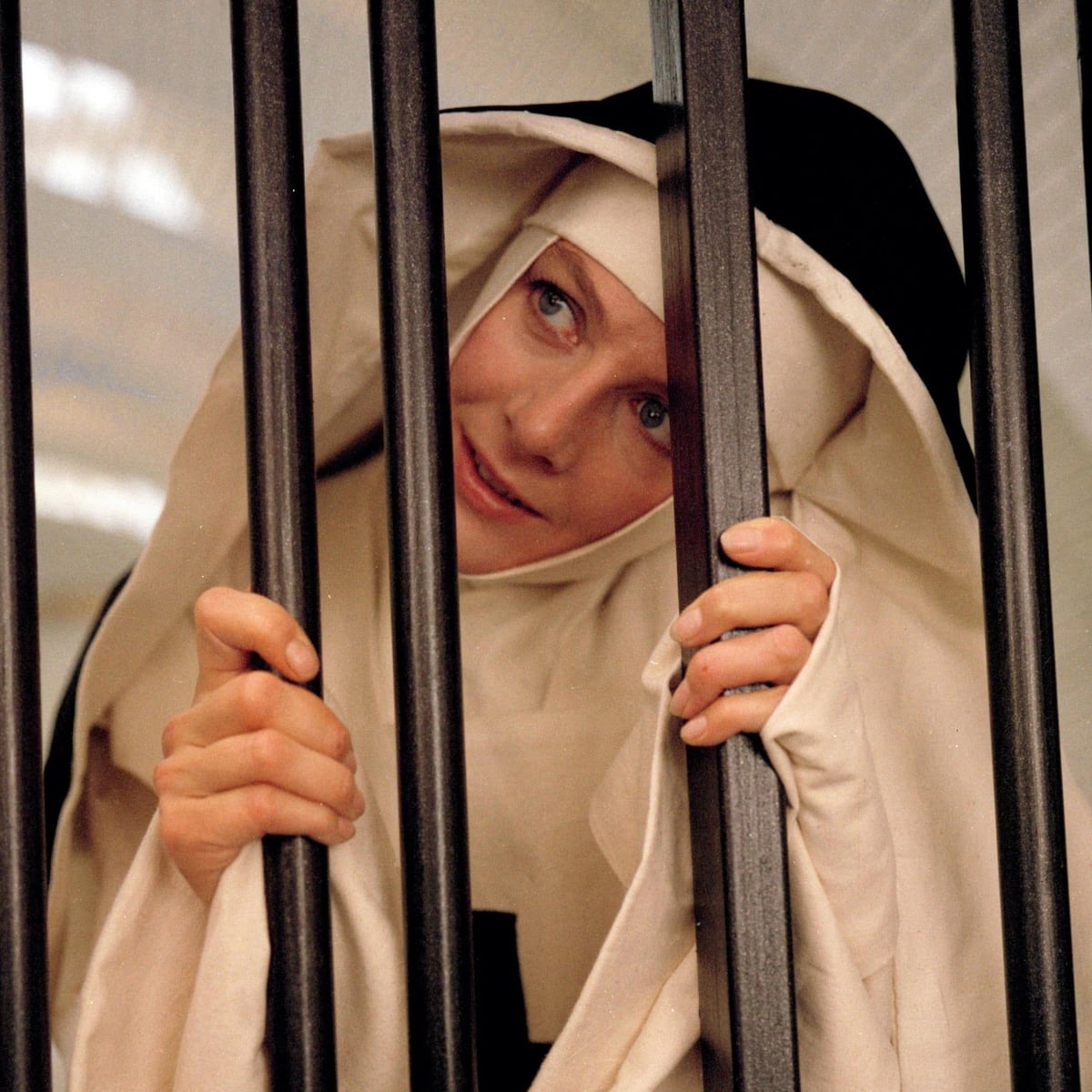
Ken Russell's 1971 provocation was censored and condemned. Now a restored cut is selling out theaters, and a new generation is claiming it.
A film that once offended practically everyone is now the hardest ticket in the cinema. The Devils, Ken Russell’s 1971 provocation, is back on the big screen in a restored cut, and theaters are selling out.
Look at who is buying those tickets. Gen Z moviegoers are showing up and, by the reports, falling for it. The film was censored and condemned in its day. At 55, it has what any piece of cinema would want, which is a crowd that came on purpose.
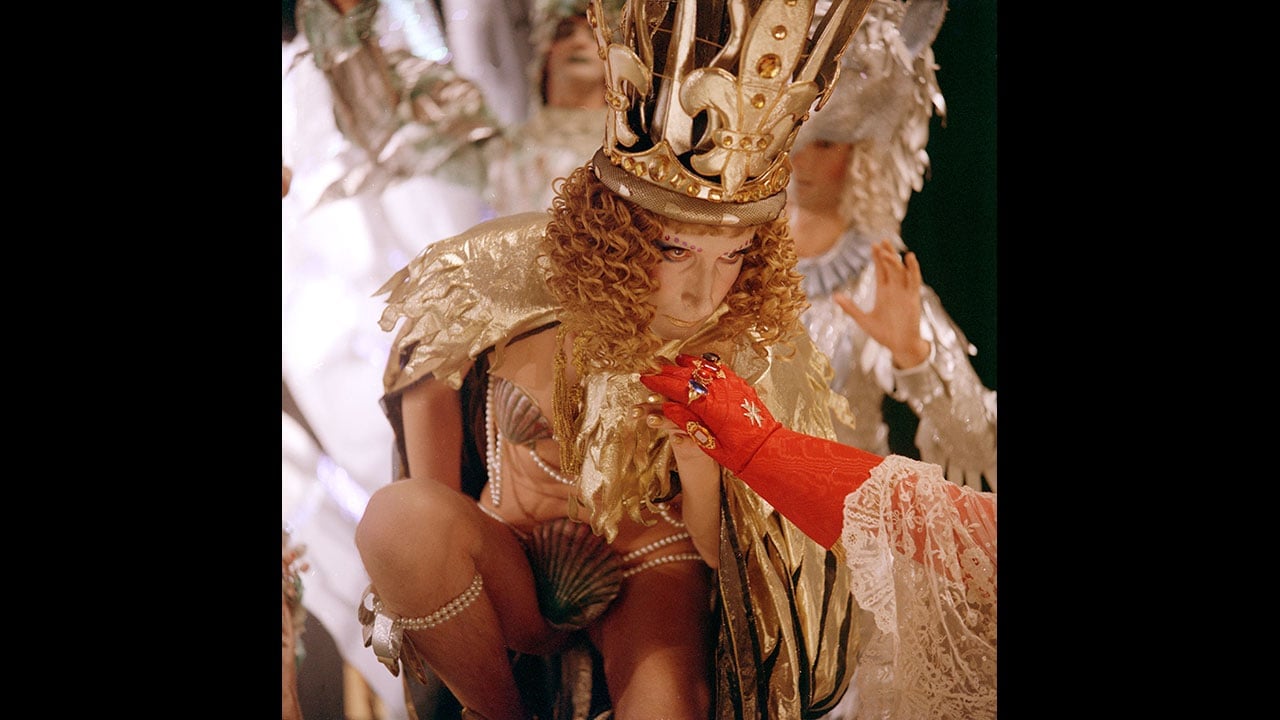
From condemned to sold out
It’s a good reversal, and it’s worth saying why. Plenty of films get rediscovered gently, with a retrospective and a polite nod. The Devils is getting something better. It has been restored, put back in front of an audience, and met with the kind of demand studios spend marketing budgets trying to manufacture.
Nobody had to explain the film’s reputation to this audience. The censorship and the condemnation are part of its legend, and legends travel. A movie that people were once told they shouldn’t see has a way of becoming the movie they have to see. Cult status is often built that way, one forbidden recommendation at a time.
Russell has always been the sort of director people argue about, and this film sits at the center of that argument. The argument was loud in 1971. Over time it seems to have turned into admiration, with a restoration to match.
The quiet heroism of restoration
The restored cut deserves its own round of applause. Restoration is slow, painstaking and rarely glamorous. It means people decide a difficult, controversial film is worth the care and the expense. Every revival screening starts with that decision.
That choice is a vote of confidence in the film, and the box office is now confirming it. A work that was cut down and condemned has been given a second chance to be seen the way its maker intended. Whatever you think of Russell’s style, that is a gift to anyone who loves movies.
It also says something about what we ask of the cinema. Streaming gives us everything at once, at home, on a sofa, with the phone nearby. A film like this asks for the opposite. It wants a dark room and a shared gasp. It wants an audience that can’t pause it, and it seems a generation raised on scrolling is happy to oblige.
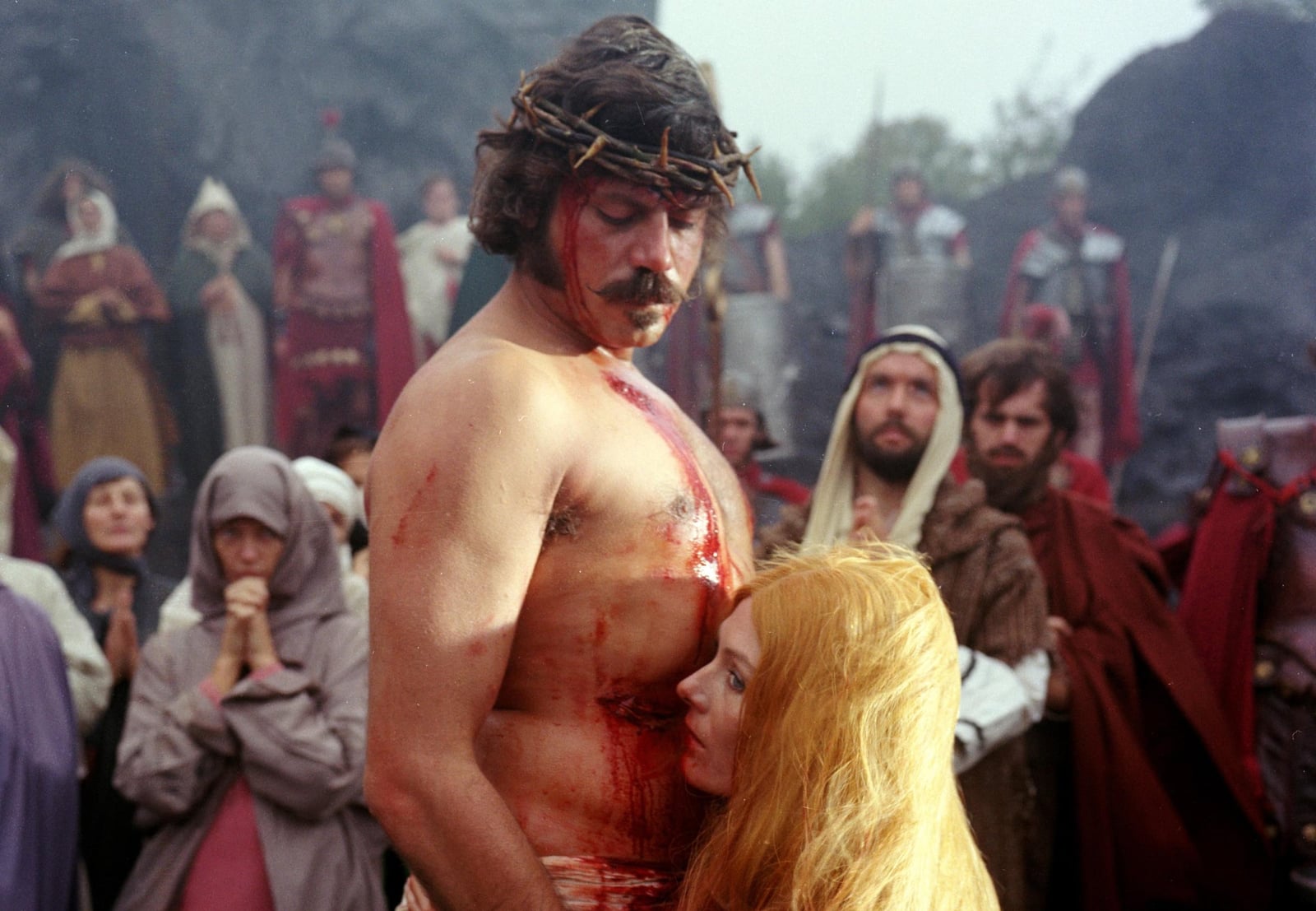
Why the young crowd matters
The Gen Z turnout is the part worth lingering on. Younger viewers are often assumed to be allergic to anything older than their own childhoods. The sold-out houses suggest otherwise. They’re curious, they like a film with a reputation, and they’re ready to decide for themselves what it means.
There’s something generous in that. The people who condemned the film in 1971 did so on the terms of their time. A new audience has no obligation to inherit those verdicts. They get to watch it fresh, on a big screen, with a restored print doing the film justice, and form their own opinion. Judging by the ticket sales, many of them like what they see.
That is how a cult classic gets made. It isn’t announced by critics or handed down from above. It builds when one audience tells another, a friend texts a friend, and a late show turns into a second show and then a third. Today that process runs on group chats and word of mouth, and the demand seems to be real.
It’s a lovely thing to watch happen to a film that was written off. The Devils was told, in effect, that it had gone too far. Fifty-five years later, people are queuing to go that far with it.
If a restored cut is playing near you, the lesson is simple. Book early, because the seats are going fast. Then sit in the dark with a few hundred strangers, and let a once-banned film do what Ken Russell made it to do.