
Spotlight on Cheltenham: How Race Day Fashion Mirrors Celebrity Style Trends
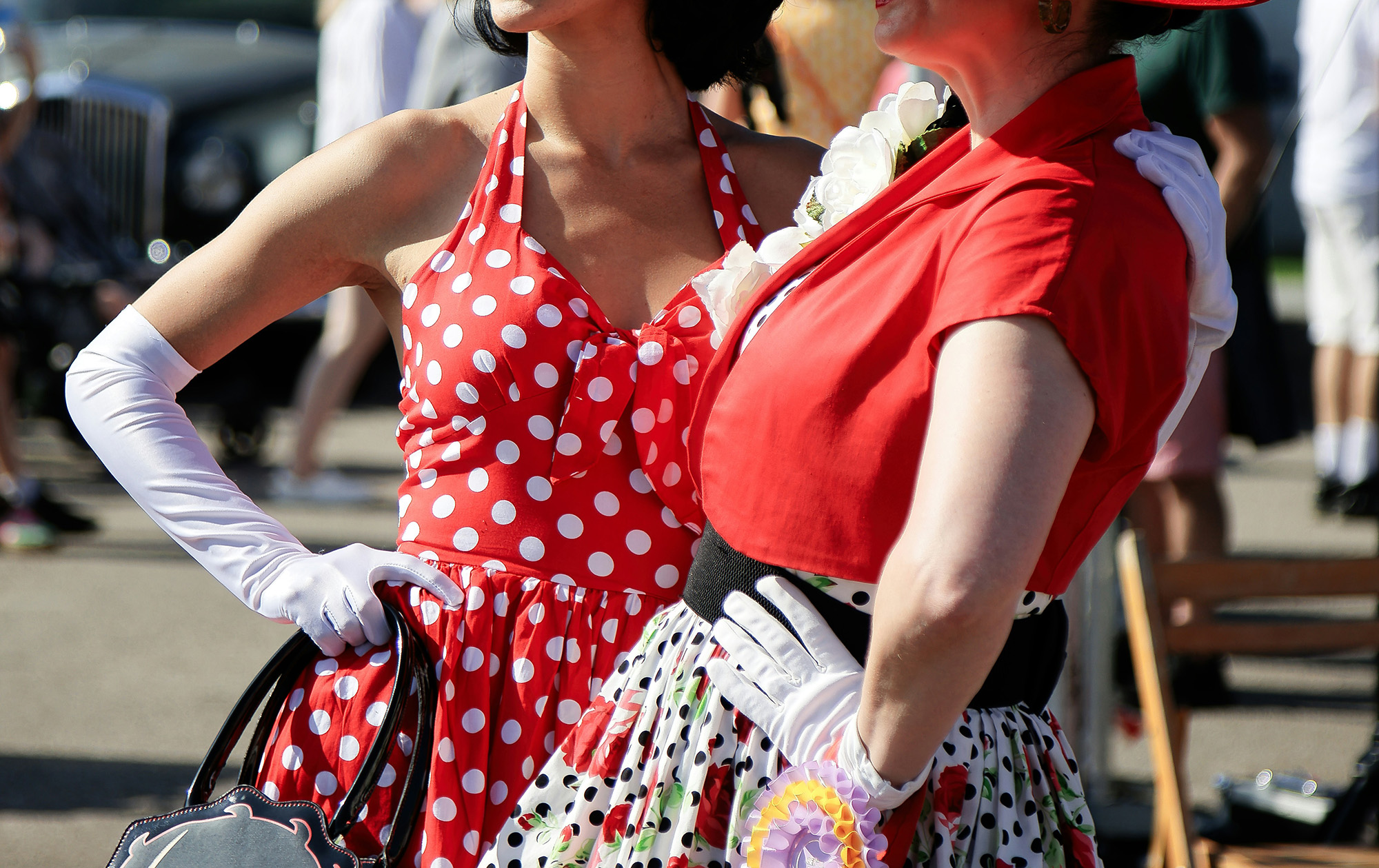
Photography by Ian Betley | Source: Unsplash.com
The Cheltenham Festival has long been a showcase for more than horse racing excellence. Each year, the prestigious event transforms into a vibrant fashion runway where racegoers display ensembles that often mirror current celebrity style trends. From statement headwear to tailored suits, the fashion choices at Cheltenham reflect broader cultural movements in the fashion world.
Race day fashion has changed significantly over the decades, with modern attendees drawing inspiration from red carpet looks and celebrity street style. The traditional tweed and country attire remain staples, but they now appear alongside contemporary interpretations that blend classic racing heritage with current fashion sensibilities. This evolution creates a fascinating visual display that fashion enthusiasts eagerly anticipate each season.
The Evolution of Cheltenham Race Day Fashion
Cheltenham fashion has changed dramatically since its early days. What began as formal attire has developed into a sophisticated blend of tradition and contemporary style. Many attendees research event details alongside their outfit planning, considering both as essential parts of the festival experience.
Race day fashion reflects broader trends while keeping its distinctive character. Modern interpretations incorporate elements from celebrity style while honouring racing heritage. This balance creates a unique aesthetic that sets Cheltenham apart from other sporting events.
The festival’s March timing presents weather challenges that influence fashion choices. Attendees must consider both style and practicality, leading to creative solutions that often inspire mainstream fashion. This practical adaptation is similar to how celebrities approach outdoor events in variable conditions.
From Functional to Fashion Forward
Cheltenham fashion originated with practicality as the priority. During the 1920s and 1930s, attendees wore heavy wool suits and long coats to combat the cold March weather. Practical considerations outweighed visual interests as staying warm and dry took precedence.
The 1950s marked a turning point as attendees began experimenting with lighter fabrics and more varied colour palettes. Hemlines rose and patterns became more pronounced while maintaining the formal dress code. This period introduced more style expression while respecting traditional elements.
During the 1980s and 1990s, relaxed tailoring and bolder fashion statements emerged, though tradition remained a key influence. This period established the foundation for the current blend of heritage and updated style that defines modern Cheltenham fashion.
Seasonal Trends That Debut at Cheltenham
Cheltenham takes place in early March, positioning it as a launch platform for spring fashion trends. Designers often use the festival to test new concepts before they appear in retail collections. Fresh colour palettes and creative fabric applications make their first public appearance on the racecourse.
The 2023 festival saw colours like sage green and burnt orange gain prominence. These shades became more visible in retail collections after the event, illustrating how Cheltenham can play a role in influencing seasonal fashion directions.
New fabric developments also get trialed at Cheltenham, including water resistant wool blends and sustainable materials. These functional adaptations allow attendees to keep style while addressing weather concerns, combining traditional outdoor wear with modern fashion sensibilities.
Many attendees research their Cheltenham odds alongside their outfit planning, seeing that both aspects contribute to the complete festival experience. This dual preparation has become typical of the modern Cheltenham attendee approach.
Tailoring Innovations
Menswear at Cheltenham maintains tweed as a foundation while adopting changes in silhouettes. Contemporary cuts and bolder colour choices now complement traditional styles. These subtle adaptations can influence everyday menswear, showing how race day fashion reaches beyond the festival context.
Women increasingly opt for structured outerwear and tailored suits at Cheltenham. Many of these designs take direct inspiration from runway collections, reflecting wider shifts in fashion gender conventions and supporting more style expression.
Brands such as Holland Cooper and Really Wild have gained recognition through their Cheltenham focused collections. Holland Cooper regularly releases race day capsule collections that feature prominently in event coverage, while Really Wild creates exclusive technical tweeds and practical tailoring specifically for the festival.
These designer updates show how Cheltenham has become a well-known showcase for British fashion. Brands develop purpose built ranges that address the unique requirements of race day attire while driving seasonal style stories forward.
The Business of Race Day Fashion
Cheltenham fashion represents considerable commercial activity beyond visual considerations. The festival generates noticeable regional spending, with fashion purchases forming a major component. Many attendees invest significantly in their race day ensemble, making fashion a key part of the overall event experience.
Designers create dedicated collections for Cheltenham, while brands strategically lend outfits to high profile guests. These targeted marketing methods help companies reach new customer groups interested in occasion wear for racing events.
The styling profession has grown around Cheltenham, with more professionals assisting guests with race day preparations. These advisors help attendees learn dress codes and weather contingencies, building the event fashion scene further.
This business dimension has changed how attendees approach Cheltenham, with outfit planning now seen as a core part of the festival experience instead of a secondary consideration.
Digital Fashion Influence
Social media platforms like Instagram and TikTok have transformed how Cheltenham fashion trends spread. Attendees now create outfits with digital content in mind alongside practical concerns. Influencers and content creators plan their ensembles well in advance to maximize posting opportunities during the festival.
Brand collaborations with influencers are often considered effective for increasing engagement compared to standard fashion content. This encourages brands to continue selecting Cheltenham as a showcase for their spring collections.
During March, Cheltenham fashion content can lead to significant engagement across social platforms. This benefits both individual creators and established fashion houses seeking to reach broader audiences. The digital reach extends the influence of festival fashion far beyond the racecourse itself.