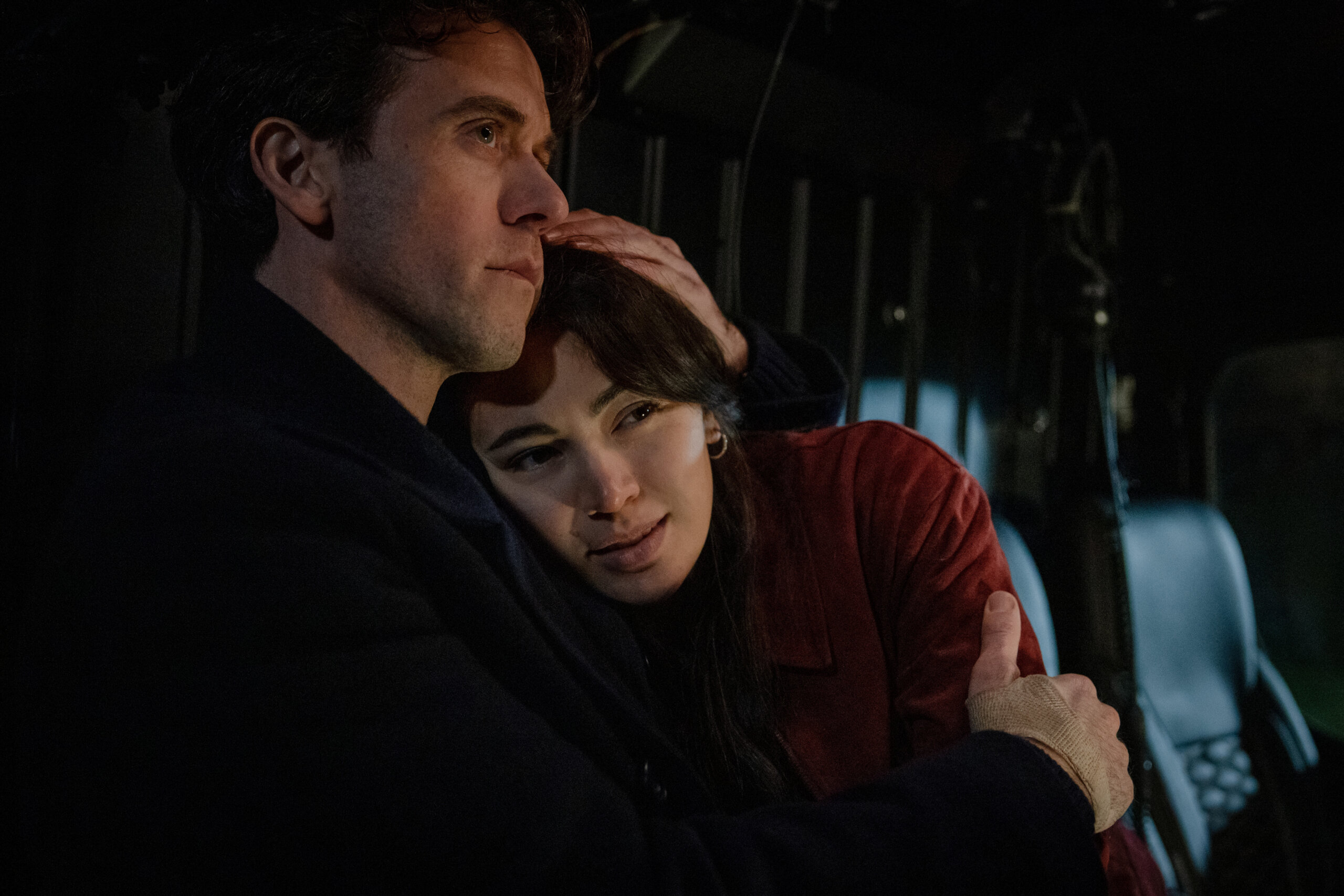

Silo, now in its third season on Apple TV, has always been a show about people underground trying to reconstruct a history someone buried on purpose, and this season, for the first time, it lets us start digging. Where movies used to be the place a generation worked through its biggest fears (Cold War paranoia, nuclear dread, alien invasion as a stand-in for whatever felt threatening at the time), television has quietly taken over that job, and Silo hands us its own version directly: a split timeline that cuts between the present day silo society and a “Before Times” strand finally showing how any of this began.
What we learn, in pieces, is that the silos are being built by the richest man in the world, though it’s still unclear whether that was his own call or something the government pushed him into. And somewhere in there, an automated decision-making system is involved too, one the show doesn’t exactly want us trusting. That’s as far as we’ll go on plot. Half the fun is not knowing yet, and honestly, we don’t either.
Here is the detail worth sitting with, though: Hugh Howey’s original Wool was self-published in 2011, with the rest of the trilogy following shortly after, years before “AI” was part of everyday conversation the way it is now. The generative-AI anxiety currently colonizing every op-ed and dinner party conversation didn’t really ignite until the ChatGPT era began in late 2022. Which means the show’s writers are doing something quietly clever: grafting a very 2020s fear onto a skeleton that was originally built from older material, namely financial collapse, surveillance, and the specific 2011-era suspicion that the people with enough money to survive the apocalypse might also be the ones causing it. The AI framing isn’t in the source code. It’s a costume the adaptation is putting on the story because it fits the moment.
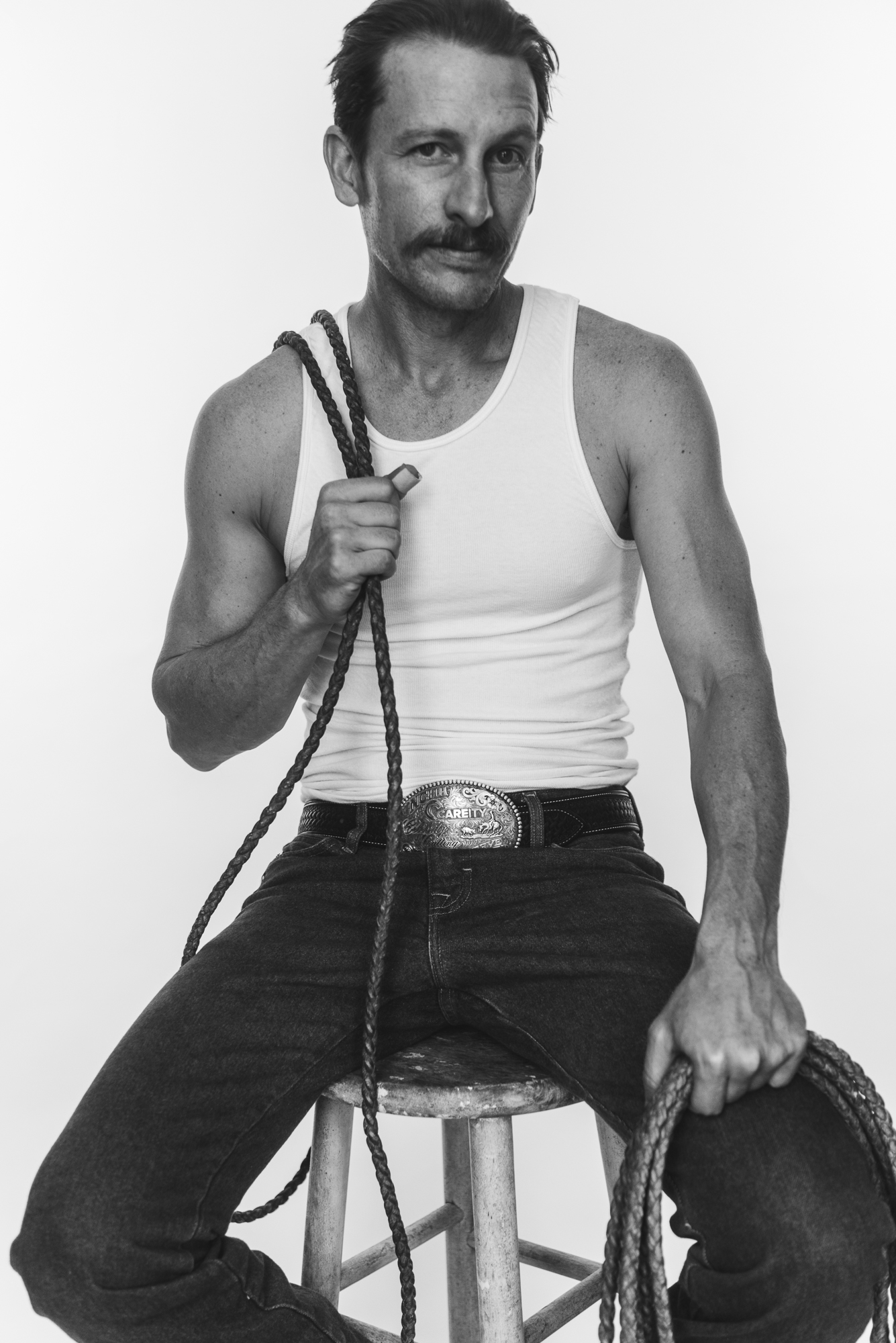
None of this would land, though, without the “Before” cast doing the actual work of making the origin story feel lived-in rather than expository. Jessica Henwick, as journalist Helen Drew, and Ashley Zukerman, as Congressman Daniel Keene, carry most of season three’s emotional weight, and it shows. Henwick in particular turns what could have been a functional “audience surrogate” role into something with real interior stakes. We’ve been fans of hers for a while; she was the subject of a feature over at our sister publication Character, Jessica Henwick: Unscripted — Character Media which is worth a read if you want more on her as a performer beyond this role. For now, though: watch the show, don’t look up the ending, and enjoy being mildly stressed about billionaires and algorithms for an hour a week like the rest of us.