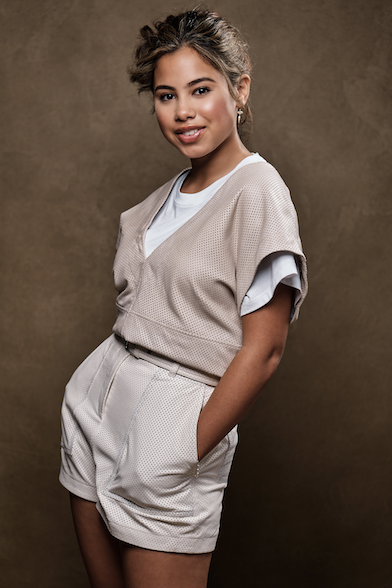
For Rini Jain, fashion is more than following trends. The India-born creator and tastemaker has built a bold, maximalist voice rooted in craftsmanship, culture, and self-expression. Balancing fashion with her career as a data engineer, Jain is proving that style can be both creative and deeply personal. From Vogue to her series Styled By My Husband and Rini’s Fashion School, she continues to build a platform of her own. In conversation with BELLO, Jain talks about her journey, representation, craftsmanship, and what comes next.
B: You’ve built a career around making fashion feel accessible and personal. How would you describe your style and how has it evolved over the years?
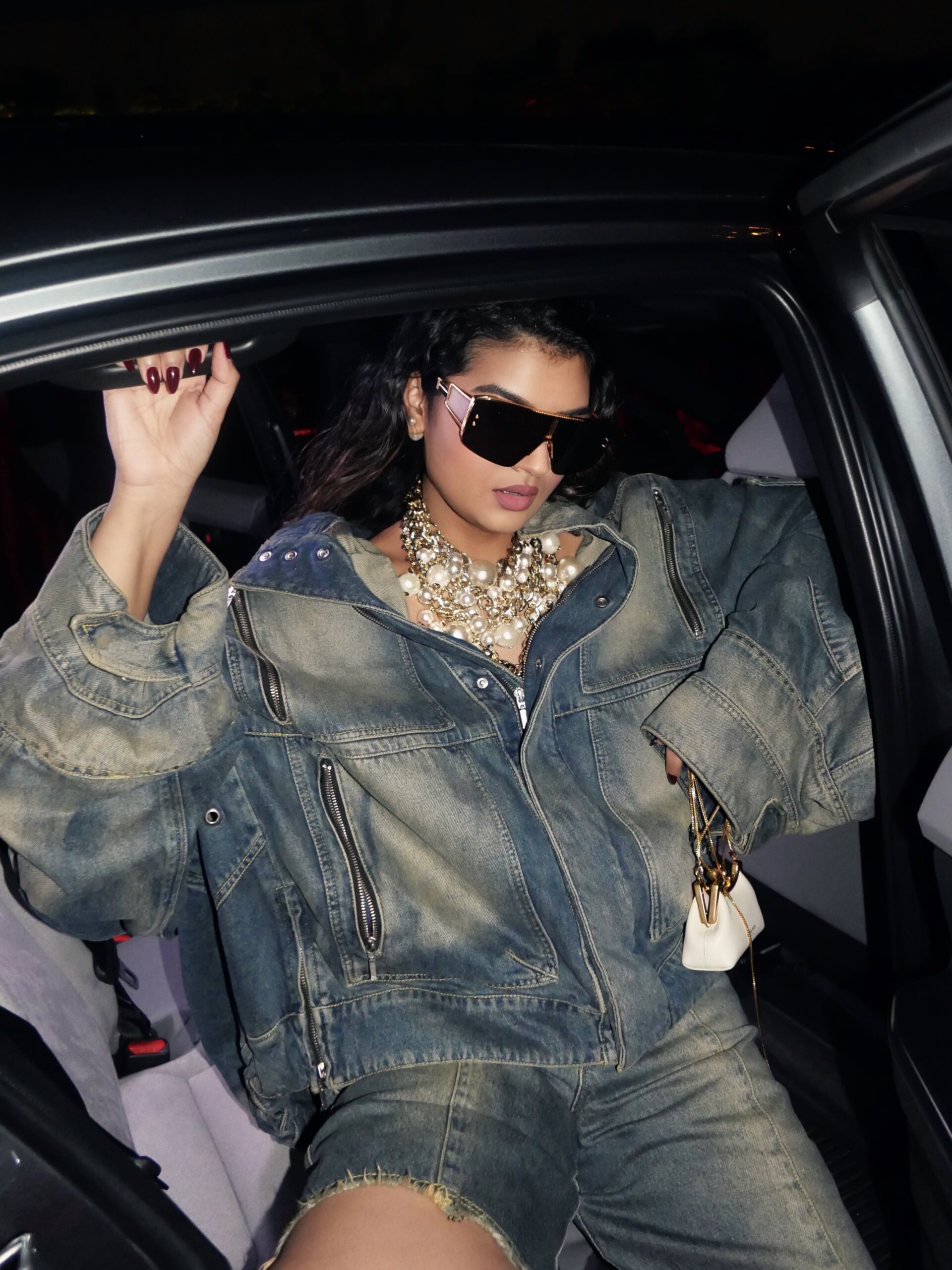
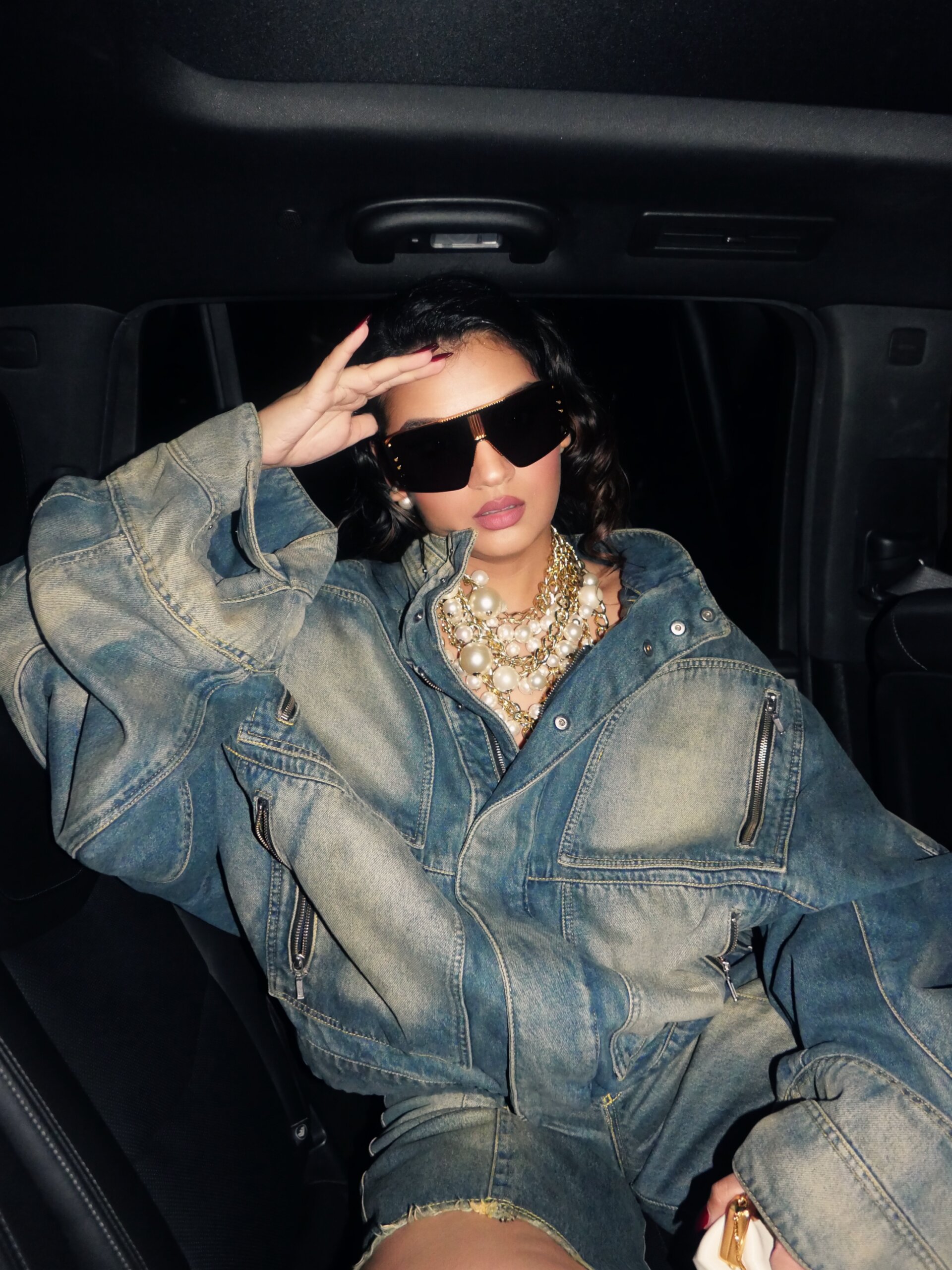
R: I’d describe my style as maximalist with intention. I love a statement sleeve, bold jewelry, a print or color that makes someone stop and look twice. I’ve never been a quiet dresser, and I don’t think I ever will be. But the intention part is what’s changed. At the core, I’ve always been experimental, that hasn’t moved. What’s different now is understanding, silhouettes, proportion, texture, what actually pairs well with what, how different pieces work on different body types. I also research more than I used to, a brand’s real history, what a designer was actually trying to say with a collection, before I decide how to wear it. And I’ve started thinking about dressing as a form of respect. If I’m going somewhere with a dress code, or even to a movie premiere, I love working in a small nod to the film itself. Showing up dressed for the actual occasion, not just for my own feed, is a way of respecting the host and the moment. That shift is exactly what people are craving right now. We’re so oversaturated with algorithm-approved outfits that all start to look the same. I’d rather bend a rule I actually understand than follow one I don’t.
B: You originally trained as an engineer before pursuing fashion full-time. What inspired that transition and how has your engineering background influenced the way you approach your creative career?
R: Here’s the truth people don’t expect, I haven’t transitioned. I’m still a working Data Engineer today, alongside everything you see in fashion. A lot of people assume I only do this full time, and I take that as a compliment, it means I’m doing it well enough that it looks like the whole picture. But the real picture is two full-time careers at once. Eighteen hour days. Most weekends. Working after hours when everyone else has clocked out. I’m not going to pretend that’s sustainable forever, when I actually start to feel that burn, that’s when a real transition will happen, not before. But right now, I wouldn’t trade this version of my life for anything easier. Engineering taught me discipline, patience, and how to solve a problem calmly instead of panicking, and I use all of that in fashion, whether it’s a shoot going wrong or a season not going the way I planned. It’s also practical. I look at my audience data constantly, engagement patterns, what content actually resonates versus what just looks good, and I build feedback loops from that instead of guessing. I haven’t built anything predictive yet, modeling what will work before I post it, but that’s genuinely where I want to take this. That’s the engineer in me refusing to just wing it.
B: You’ve developed a strong point of view when it comes to fashion. What inspires you creatively, and how do you decide which trends are worth embracing versus staying true to your own personal style?
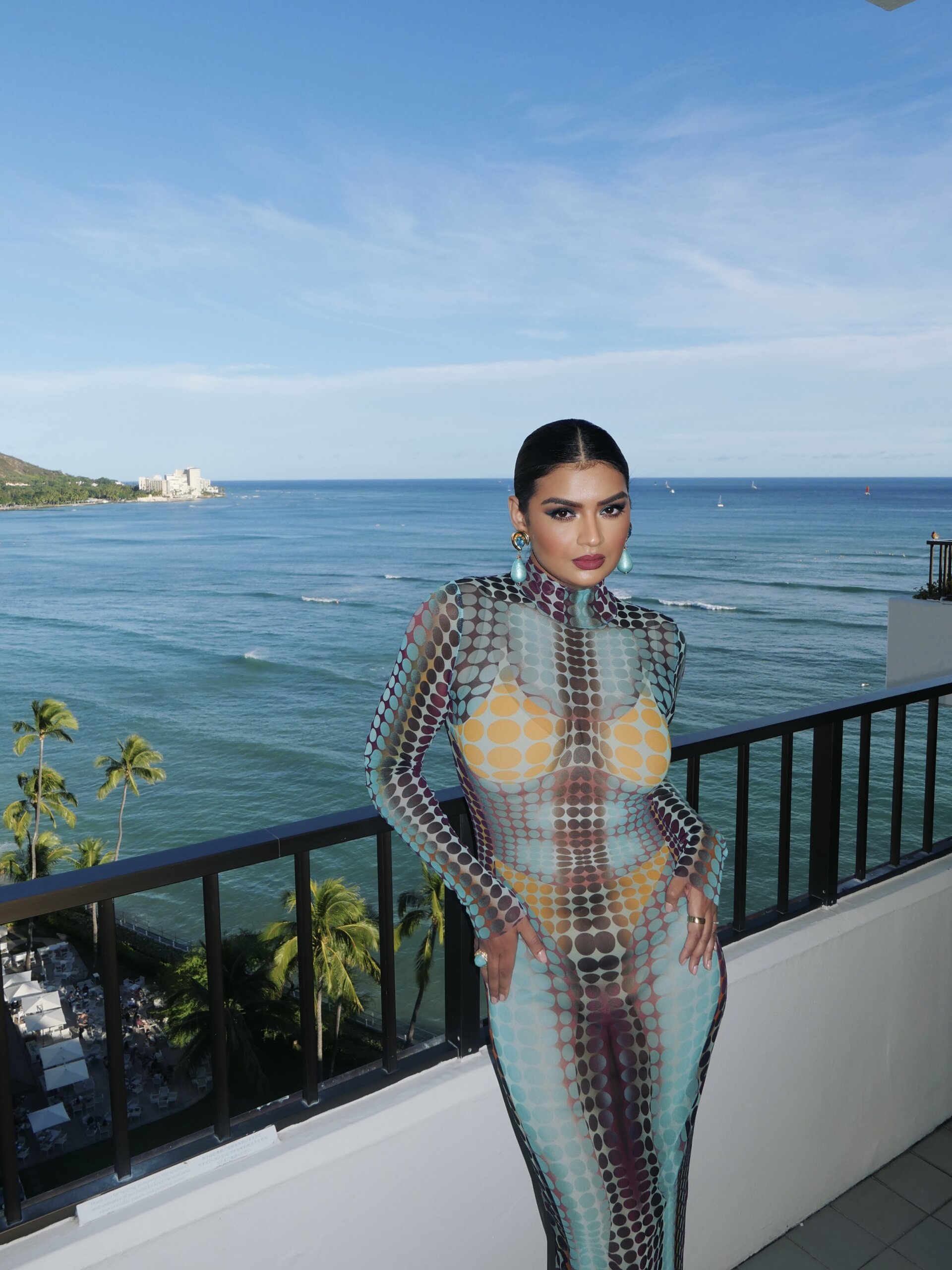
R: I lived in India for twenty-two years before I ever set foot in the US, and that country’s relationship with craft is deep inside me, it’s not something I discovered later, it’s where I come from. India has an incredible tradition of karigari, hand embroidery, techniques passed down through generations of artisans who spend weeks, sometimes months, on a single piece. When I hold something made that way, I can feel the difference, it’s not just fabric, it’s someone’s hands and time. As I’ve grown in this industry, I lean harder toward pieces like that. I don’t just want to know what a garment looks like, I want to know who made it and what their story is. That’s not only an India thing for me anymore either, I want my wardrobe to eventually reflect artisans from everywhere, different countries, different traditions, all with that same respect for the hands behind the work.
B: Your content is known for translating runway trends into looks people can actually wear. What trends are you loving right now and how would you style them for everyday life?
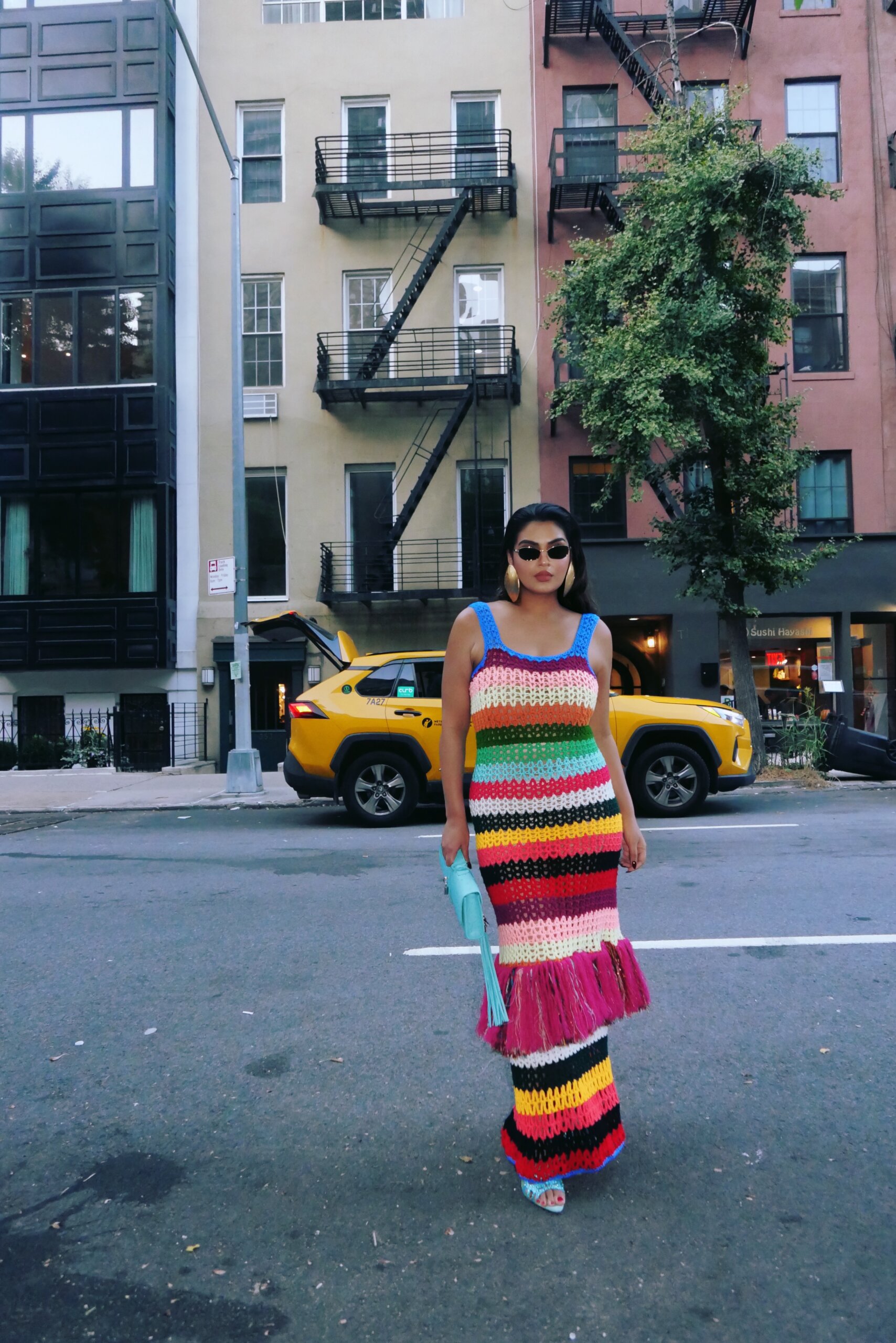
R: Two things I’m excited about right now. First, color is back in a real way post pandemic, people are color blocking, mixing multiple bold shades in one look instead of playing it safe, and I love that energy after so many quiet years. Second, and this connects to everything I said about craft, I’m seeing luxury houses genuinely draw from cultural traditions with real research and respect. Bulgari’s Mangalsutra necklace is one of my favorite examples, they studied Indian culture deeply, honored the significance of the piece, and blended it with their own Roman heritage to create something that felt new, not borrowed. For everyday styling, the lesson is the same either way, don’t be afraid to combine things that supposedly don’t go together. That’s where your own point of view comes through.
B: As a South Asian woman in the fashion industry, what does representation mean to you and how do you hope to inspire the next generation of creators?
R: I want to be specific about something, because I think it changes the answer. I’m not the daughter of an immigrant, I am the immigrant. My family is still in India. When I moved here, I had zero community of any kind, South Asian or otherwise.
R: “I’m not the daughter of an immigrant. I am the immigrant.”
R: I want to be careful here, because this isn’t a comparison, and it’s not about whose journey was harder. Every South Asian creator I know, born here or not, has fought real battles I’ll never fully understand either. What I’m describing is just my own specific starting point, no built-in community, no family network already in place, no shared history with anyone around me yet. Representation gets talked about as one big community, but there are real subsections inside it, and mine happened to be a lonely one for a while.
So for me, representation isn’t just about being visible as South Asian. It’s about being visible as someone who started with nothing and no one, and still found her way into rooms nobody handed her a key to. If there’s a girl who just landed in a new country completely alone, the way I did, I want her to see me and know that not having a built-in community yet doesn’t mean she doesn’t belong here, it just means her story starts a little differently.
When it comes to the next generation of creators, I hope what I show them has nothing to do with trends. I hope they see, through my own work, what it looks like to build a career on craft, the actual history of fashion, why a silhouette matters, why a technique took someone’s grandmother a lifetime to master, and think, that’s the kind of creator I want to be too. I hope I inspire them to see themselves through their craft, not their numbers, because a skill you’ve actually built means more than any metric. That’s something we lose sight of in how crowded social media has gotten. That’s the kind of inspiration I actually want to leave behind.
B: You’ve worked with Vogue Club and have been featured in publications including Vogue India, InStyle Greece, and Cosmopolitan. Is there a particular career moment that made you realize how far you’ve come?
R: Yes, and I still think about this one all the time. Back at New York Fashion Week in 2022, I attended the NYFW kickoff party hosted by what was then called Vogue Club, it doesn’t exist under that name anymore, but at the time it was one of the most exciting rooms I’d ever been in. I wore a statement ostrich feather embellished mini dress with bell sleeves, and the room was full of Vogue editors. People kept coming up to me all night with compliments, and I remember just soaking in the fact that I was even standing there. A few days later, I got word that Vogue wanted to use my photo from that party as an official social media advertisement for Vogue Club. I became the face of a Vogue ad. I still don’t think I’ve fully processed how many people would love to say that sentence and can’t. I’ve had a lot of cool moments since then, but that one has stayed in its own category. It always will.
B: Your “Styled By My Husband” series brings a fun, personal side to your platform. How did the idea come about and what has been the most surprising or memorable look he’s put together?
R: Here’s what I find so interesting about this series. We see women styling men constantly online, that’s an established format. We almost never see the reverse. My husband, Dhruv, and I have connected over fashion since we met, he’s always had real opinions, always been part of the creative conversation, it just never happened on camera before. Once we put it there, people responded to how raw and unscripted it is, you can actually feel the chemistry between two people instead of a performance of it.
The one that stands out most started with a pair of shoes, a real statement pair with a huge flower detail, and the challenge was for Dhruv to build a full look around them. What made it memorable wasn’t even the final outfit, it was watching his process. He researched to track down the perfect dress to pair with those shoes, and then, without me asking, found a shirt for himself, from a completely different brand, with a print so close to the dress that people assume they came from the same collection. The research, the matching, the follow through, a full execution from start to finish. I gave that one a ten out of ten.
And then, in the name of full honesty, there’s the time he paired a genuinely ugly, ill-fitting green pair of shorts with green boots. Not a good green. Not an intentional green. I would never, under any circumstances, have chosen that combination myself. But we posted it anyway, because that’s actually the whole rule of the series, in Styled By My Husband, he’s the boss. I don’t get a veto. That’s the one place in my entire life where I just listen and let it happen, and honestly, I think people love the series precisely because of moments like that. It’s not curated to always look good, it’s curated to always be real.
B: Social media can make fashion look effortless but there’s a lot of work behind the scenes. What does a typical day look like for you and what do people misunderstand about being a full-time creator?
R: A real weekday starts early. If I have something already planned, I’ll get that post up before I even log into my engineering job. Then the rest of the day belongs to that job. Once 5pm hits, my second job starts, running that same eighteen hour rhythm I mentioned earlier, and it runs until whenever it needs to. That’s shooting, editing, answering emails, doing makeup for content, calls, styling logistics, filming, editing again, and reaching out to brands, with actual life happening somewhere in the cracks. Weekends aren’t a break either, they’re fully dedicated to the creator side. People think this looks effortless because the final post takes fifteen seconds to watch, but they don’t see what’s behind it. I wouldn’t trade the hustle for anything easier. It’s how I know that everything I have, I actually built.
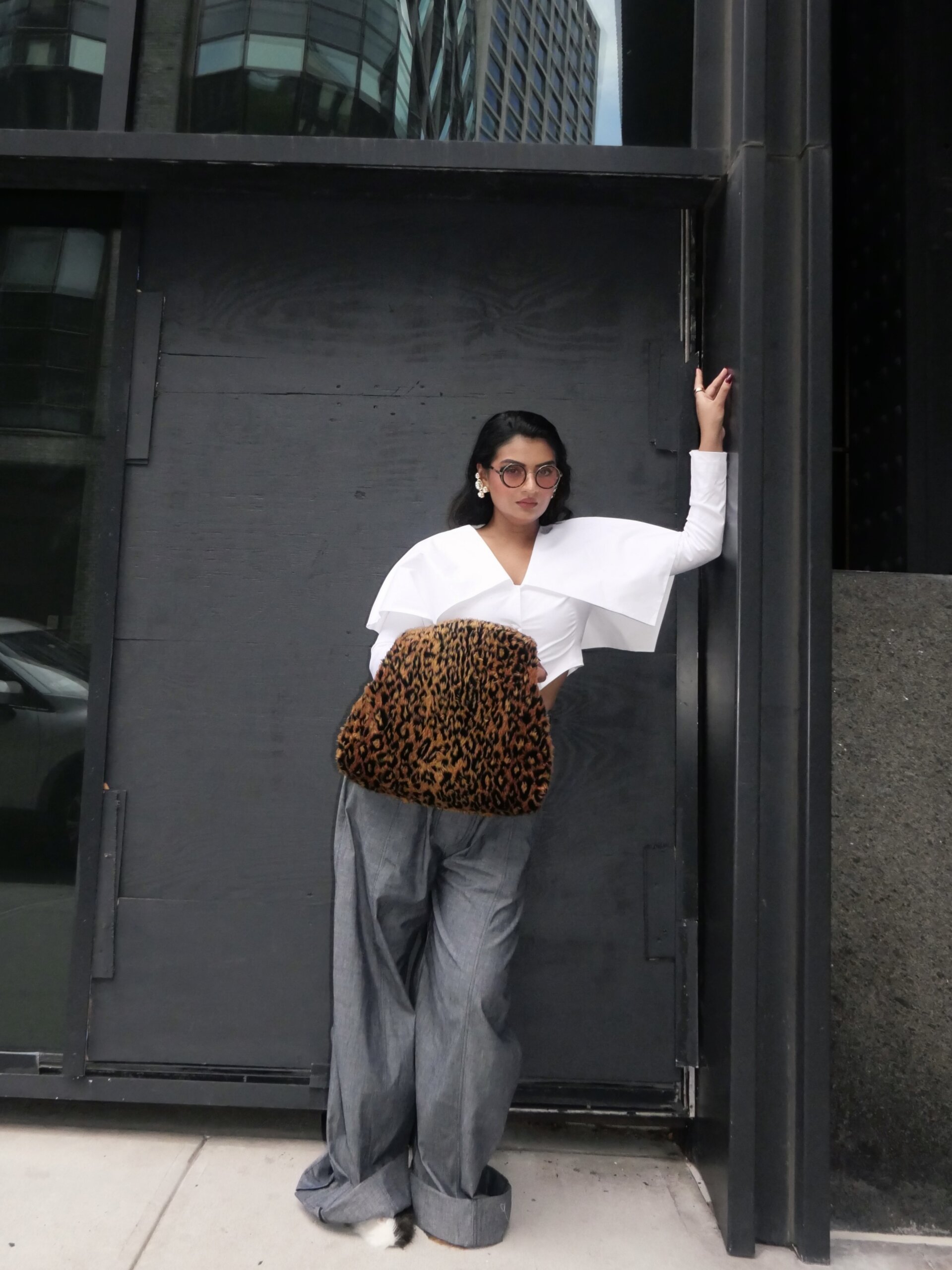
B: What are your favorite ways to make an outfit feel elevated without necessarily investing in an entirely new wardrobe?
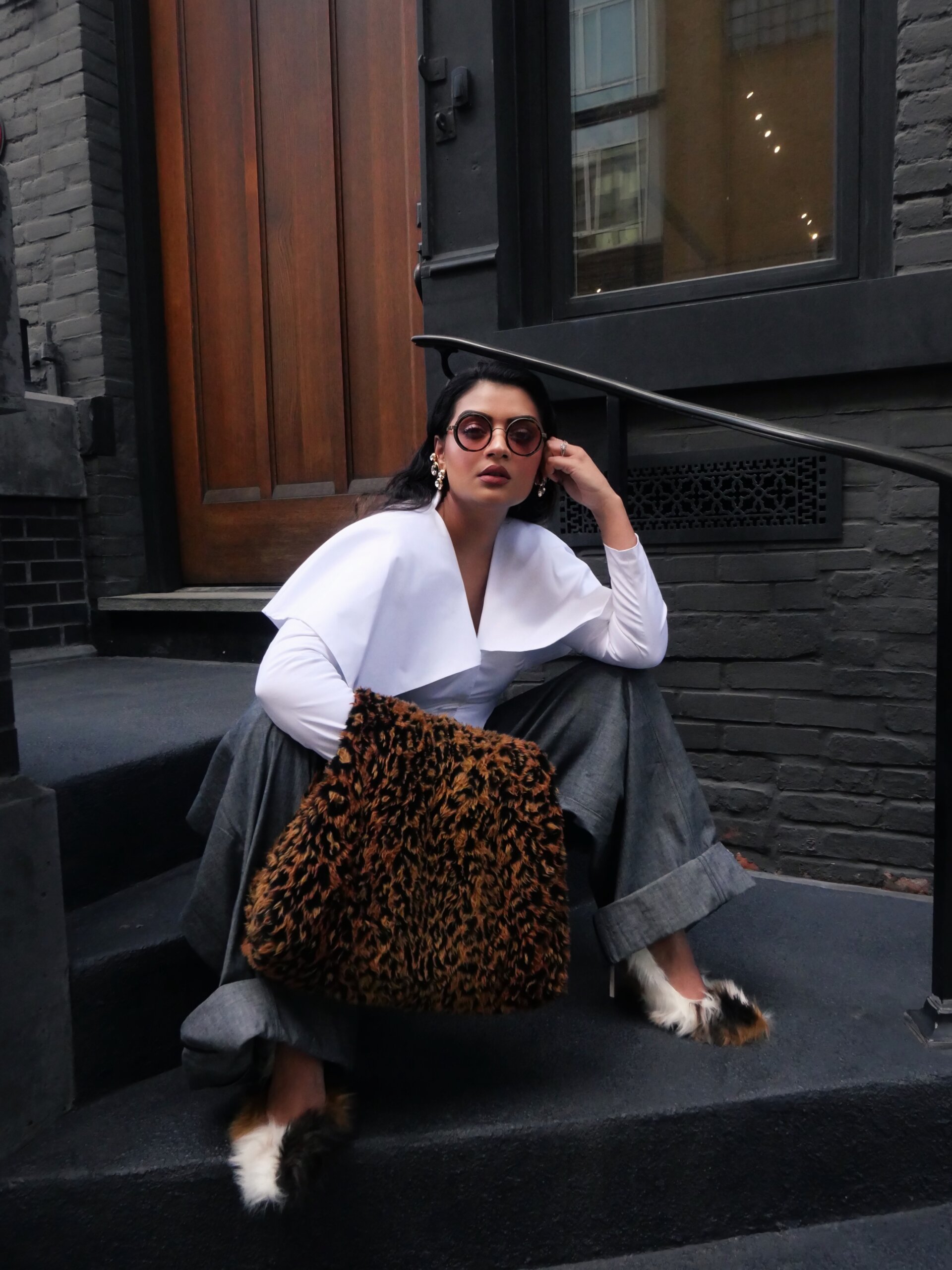
R: Accessories, every time, and I mean this as a practice, not just a tip. I repeat my clothes constantly. The same piece can become five different outfits depending on what I build around it. Sometimes I’ll go full monochrome with it. Sometimes I’ll color block by adding a blazer in a completely different tone. Sometimes it’s as simple as switching to a different colored shoe, or changing the jewelry entirely. The piece itself was never the limitation, it was always what I paired it with.
B: Looking ahead, what are some of your biggest goals, whether in fashion, content creation, or beyond and what can your audience expect from you next?
R: I want to keep building things that have substance behind them, because that’s what cuts through when everyone’s content looks and sounds the same. Between Styled By My Husband and Rini’s Fashion School, that’s the direction I want to keep going, Fashion School especially, where I teach an actual lesson, real history, real technique, the natural next step into longer form storytelling that goes deeper into the people and craft behind the fashion I cover.
I also want @rinisphere to keep becoming genuinely gender agnostic, which Dhruv’s presence on my page has already been shaping without either of us planning it. We’ve been approached multiple times about styling other people professionally, and while we haven’t taken that on yet, it’s a real direction I see us moving into, alongside the bigger dream we’ve quietly worked on for two years, a fashion brand that’s genuinely us, our journey, our taste, adding to this industry instead of the noise in it. No timeline yet, but it’s real, and it’s coming.
On a more personal note, expect more of my love for hosting and home decor, styling a table or a room scratches the same itch as styling an outfit, same eye, different canvas. My birthday this year proved that to me directly, a Parisian salon themed party built entirely from scratch, white drapery ceiling to floor, candles everywhere, a black and white dress code for everyone else while I wore a statement red feather piece in the middle of it. That night, fashion, hosting, and decor finally felt like one vision instead of three separate things I happen to love.
Near term, this is the season to watch for exactly that instinct. I run an annual festive and holiday fashion series every October through December, covering Indian festivals alongside Christmas, Thanksgiving, and New Year’s, fashion, culture, and hosting overlapping all at once. In the meantime, expect a lot more of me showing up in rooms I worked incredibly hard to get into.