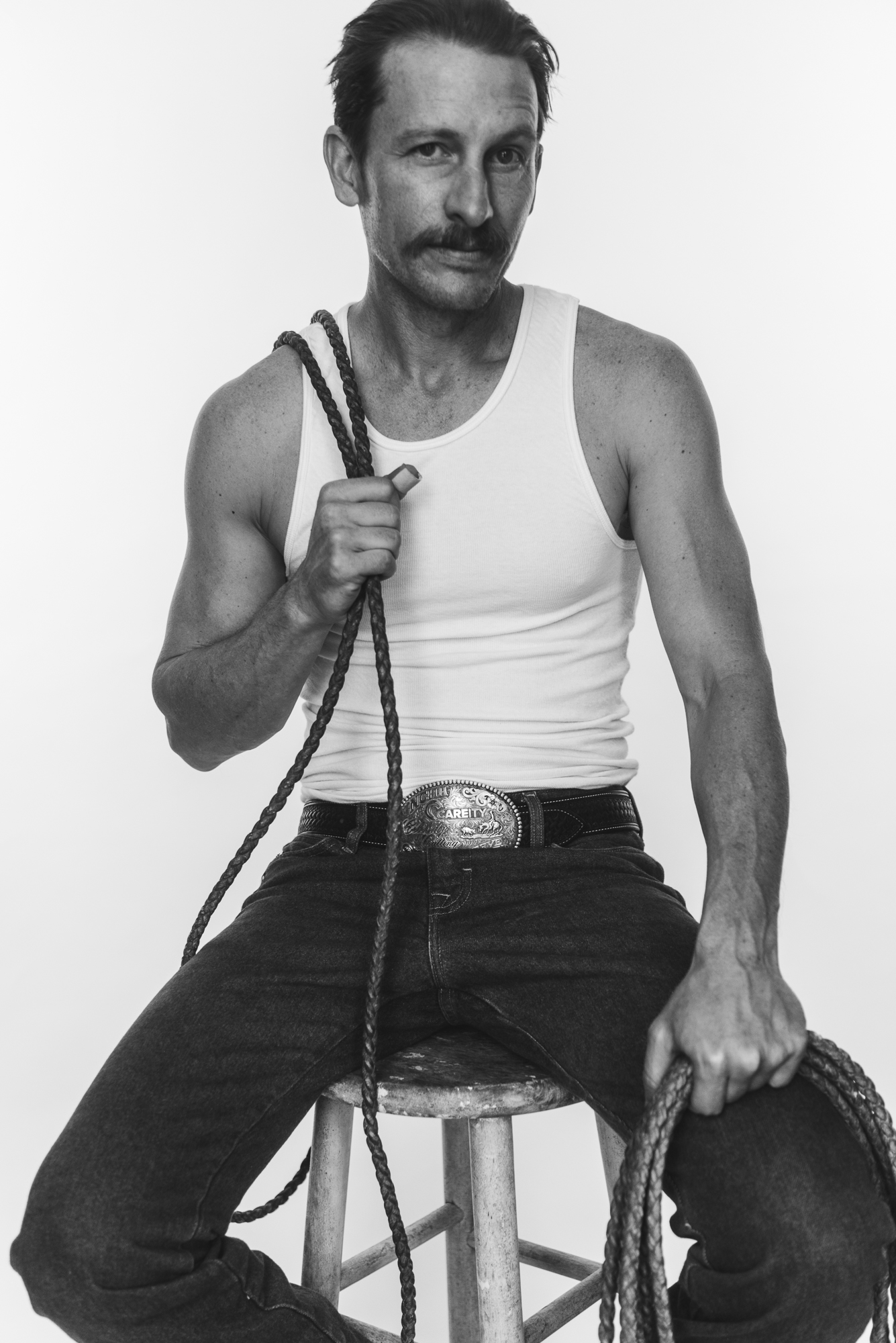
James Landry Hébert is stepping into a moment that feels both hard-earned and newly visible. After years of steady work across film and television, he’s now in a stretch where the industry is seeing more clearly the range, restraint, and physical presence he’s long brought to his roles. From Stranger Things and Once Upon a Time in Hollywood to 1883, The Righteous Gemstones, and Horizon: An American Saga, Hébert has built a résumé defined by atmosphere, texture, and characters with a strong sense of place. Now, with Euphoria widening his audience and The Drop: A Snowfall Saga arriving next, he’s entering a chapter shaped less by overnight success than by the accumulation of experience – small rooms, tough jobs, near misses, lucky breaks, and the kind of persistence that only reveals itself fully over time. What makes this moment compelling is the way it aligns with the kind of actor he has always seemed poised to become: specific, grounded, and unafraid of contradiction.
You’ve worked on high-caliber projects, but this feels like a real inflection point. How are you experiencing this moment in your career right now?
It does feel like an inflection point, but not in an overnight way. It feels like a lot of years, a lot of small rooms, hard jobs, near misses, lucky breaks, and lessons are starting to add up.
I’ve been fortunate to step into some incredible worlds over the years, Tarantino, Taylor Sheridan, Kevin Costner, Danny McBride, Sam Levinson – but Euphoria feels like one of those jobs where people are able to see more of me at once. The danger, the humor, the physicality, the vulnerability underneath it.
I’m trying to experience it with gratitude and not get too far ahead of myself. This business can humble you quickly, so I’m trying to stay present, do the work, and enjoy the fact that a character like Harley has connected in such a loud way. It feels like the foundation I’ve been quietly building is finally becoming visible.
With Euphoria out in the world, what has it meant to see yourself in a series that continues to shape the cultural conversation?
It means a lot because Euphoria is not just another show people watch. It is a show people talk about, argue about, feel protective of, and carry with them. It has its own language visually, emotionally, musically. To step into something with that much identity and not disappear inside it is a gift.
What Sam created is beautiful and brutal. Underneath all the style, the show is dealing with addiction, grief, recovery, relapse, identity, love, shame, and the feeling people chase when life gets too painful. Everybody has their own version of euphoria. Harley’s is infamy. He wants to be feared, respected, remembered.
To be part of that conversation, especially in a season and finale that affected people so deeply, is surreal. I do not take it lightly. You hope the work lands, but with something like Euphoria, you also know it is entering people’s lives in a very personal way.
Harley enters a universe that has such a strong emotional and visual identity. What did you want to make sure came through in the performance that felt uniquely yours?
I wanted Harley to feel lived-in. I did not want him to feel like a “bad guy” dropped into the show to create chaos. I wanted him to feel like a man with a whole mythology about himself, his land, his family, his government, his son, his enemies, his idea of honor.
There are parts of Harley that are very far from me, but Sam started seeing parts of my real life – the horses, the roping, the Western background, the rough edges – and let that bleed into the character. That was exciting because suddenly my life and the writing were talking to each other.
I also wanted the ugliness to have a source. I don’t play those ugly parts to excuse them. I play them to expose them. Harley’s hate and bravado come from fear, shame, insecurity, and powerlessness. If you only play the monster, people can dismiss him. If you make him human, they have to look a little closer.
There’s often a difference between being in a great project and being seen in a great project. Do you feel like Euphoria is helping audiences understand the kind of actor you are?
I do. I have been lucky to be in great projects before, but there is a difference between being part of a world and having a character that lets people really see you. Harley gave me a lot to play with. He is dangerous, funny, cruel, wounded, ridiculous, physical, pathetic, and terrifying, depending on the moment.
That kind of role lets people see the range inside one man. He is not one temperature. He can be explosive, but he can also be quiet. He can be hateful, but underneath that is a desperate need to matter. He thinks he is protecting his family, his son, his way of life. He is wrong in a lot of ways, but if I judge him from the outside, I cannot play him truthfully.
So yes, I think Euphoria has helped people see what I have always hoped to do: take complicated men and make them specific, human, and a little unpredictable.
The Drop: A Snowfall Saga arrives at the beginning of September, which makes this a huge stretch for you creatively. What excited you most about stepping into that next world?
What excites me about The Drop: A Snowfall Saga is that the world does not deal in clean heroes and villains. Everybody thinks they are protecting something, their people, their neighborhood, their future, their family – and then all those intentions collide with power, money, politics, survival, and music.
That is the kind of storytelling I am drawn to. Stories where people are making choices under pressure and convincing themselves they are doing the right thing, even when the bill is coming due.
Coming off Euphoria and stepping into the Snowfall universe felt like another chance to live in a world with real weight and consequence. I cannot say too much about the character yet, but I love that it is not crime for the sake of crime. It is about pressure. Identity. Survival. What people become when the system around them is already on fire.
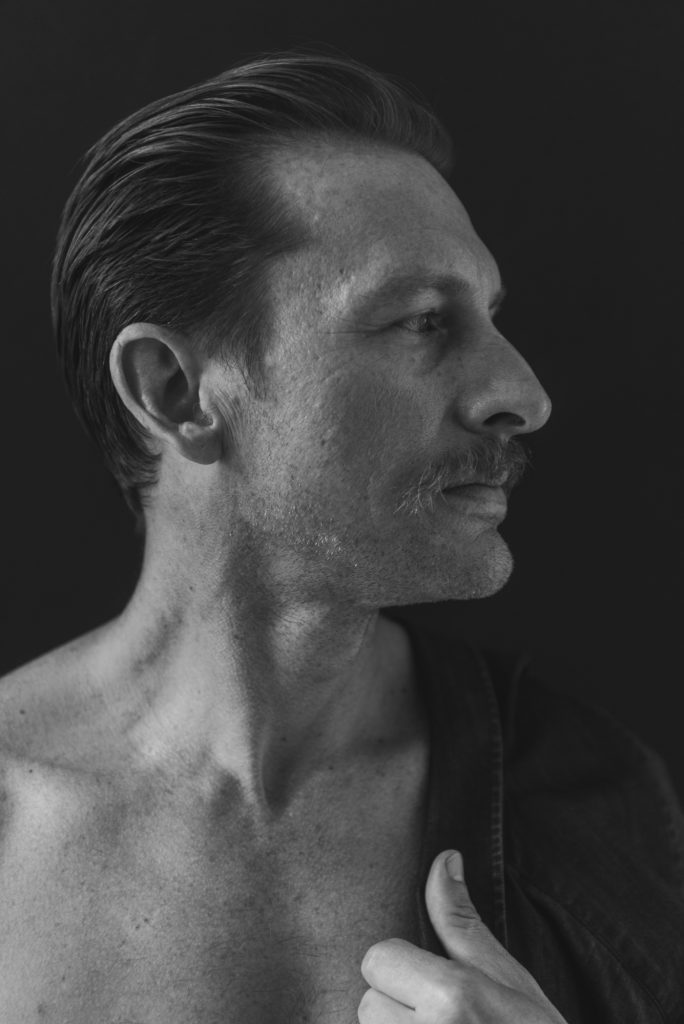
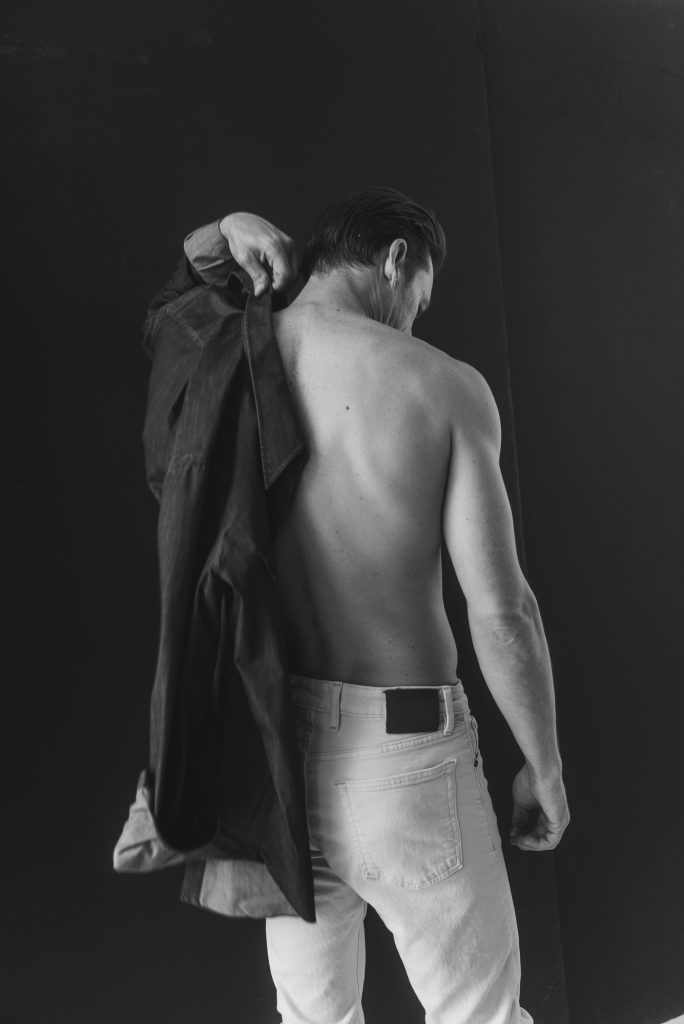
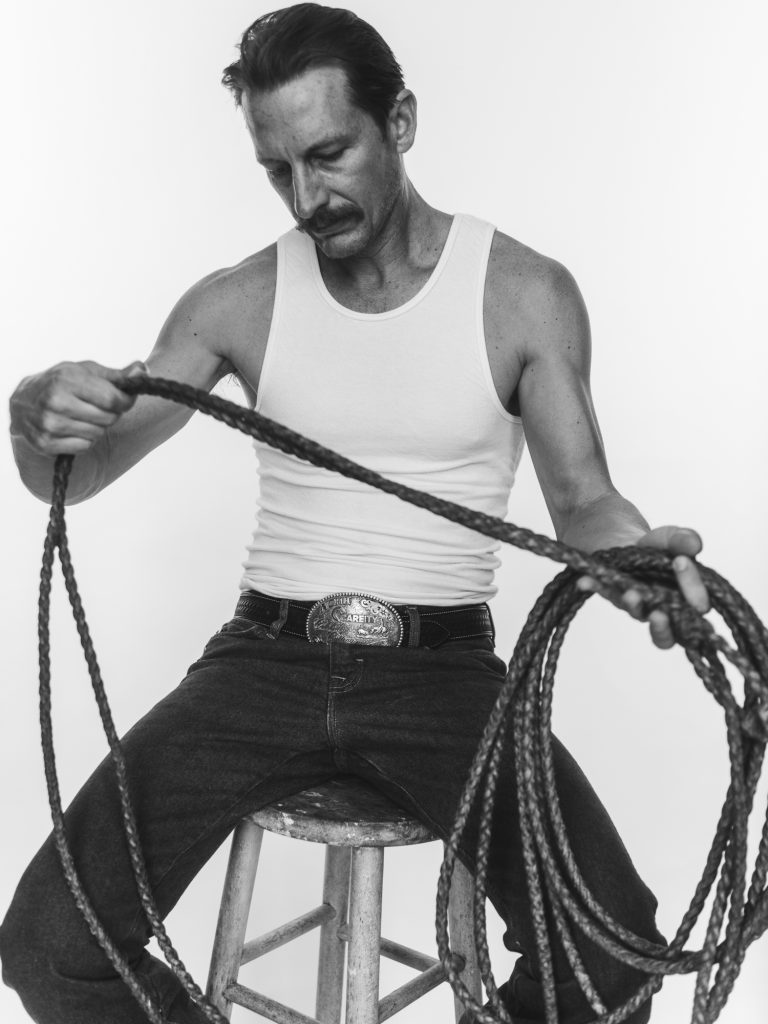
Images by Reto Sterchi
Snowfall has a serious legacy and a very devoted audience. What does it mean to join that universe at a time when your career is clearly gaining momentum?
It means a lot because Snowfall earned that devotion. That audience cares about the world, the characters, the history, the music, the politics, and the cost of it all. You do not step into that lightly.
For me, the timing is exciting because Euphoria opened one door, and The Drop feels like another door into a completely different but equally dangerous world. Both shows are about people chasing something that may destroy them. Both have style, but beneath the style lies consequence.
I am grateful to be trusted in those kinds of rooms. That is what I am really feeling right now. Not “I made it,” but “I am being trusted with better and better material.” That is all you can ask for as an actor. You want to be invited into worlds that challenge you and then prove you belong there.
When you look at the projects you’ve been drawn to, they all seem to carry weight, atmosphere, and stakes. What do those kinds of roles allow you to explore that lighter material might not?
They let you explore what people do when something is on the line. I am interested in survival, loyalty, shame, pride, family, fear, legacy, all the things that start to come out when a person feels cornered.
I grew up in Louisiana around the bayou, and everything there felt connected, land, water, animals, people, stories. Nobody exists in a vacuum. Everybody comes from an ecosystem. I think that shaped the way I look at characters. I am always asking, “What made this person? What are they protecting? What are they hiding? What do they think is noble about themselves?”
That said, I love comedy too. I loved getting to play in the world of The Righteous Gemstones. Even darker characters can be funny because they take themselves so seriously. I do not think weight and humor are opposites. Sometimes the funniest thing is a man who has no idea how absurd he is.
You feel like an actor who’s on the verge of a bigger leap. What do you think people are beginning to understand about you now that they may not have seen before?
I think people are beginning to understand that I am not just one thing. I am not just the dangerous guy, or the Western guy, or the rough-edged guy. Those things are part of me, and I am grateful people trust me with them, but there is more under there.
I think what people are starting to see is that I can carry contradiction. I can play danger and still find the wound. I can play hate without celebrating it. I can play intensity, but I can also find humor and tenderness inside the same person.
That is what excites me about this chapter. I feel like the industry is starting to see not just what I look like in a world, but what I can bring to it. The life I have lived is useful. The horses, the Louisiana roots, the oil rigs, the casting office, the years of being on the edge of things, all of that informs the work.
What has this stretch taught you about timing, patience, and trusting that the right work reveals itself when it’s supposed to?
It has taught me that nothing is wasted. That is easy to say when things are going well and harder to believe when you are in the middle of the slow years, but I do think it is true.
There were times I wondered if certain jobs should have changed everything, or if I had missed some window. But looking back, every project gave me something. Gangster Squad gave me confidence in a big studio room. Stranger Things gave me a different kind of audience. Once Upon a Time in Hollywood was stepping into cinema history. 1883 gave me a physical, emotional Western world. The Righteous Gemstones gave me comedy and looseness. Euphoria brought so many pieces together.
So the lesson is patience, but not passive patience. You keep working. You keep getting better. You keep betting on yourself. Then, when the right thing arrives, you are ready in a way you would not have been ten years earlier.
You’re at that exciting stage where a couple of defining roles can change everything. How do you think about the opportunities in front of you without rushing the process?
I try to stay focused on the work, not the noise around it. That is not always easy. When something starts to land, you naturally feel the momentum, and you want to grab everything. But I have been doing this long enough to know that the wrong next move can be louder than the right quiet one.
I want to make choices that build a career, not just a moment. I want to work with filmmakers and actors who scare me in the right way. I want roles with soul, humor, danger, contradiction, and humanity.
The goal is not to sprint just because people are looking. The goal is to stay awake and choose well. I have taken the long road, so I am not interested in rushing now just to prove something. I want the next chapter to have range and weight.
What kind of leading man do you hope to become when those bigger opportunities arrive?
I want to be the kind of leading man who feels human. Not perfect. Not polished to the point of being empty. I have always been drawn to actors who can carry strength and vulnerability at the same time – men who can be funny, dangerous, wounded, romantic, foolish, violent, gentle, all of it.
I do not want to lose the character actor part of myself. That is where the good stuff lives. So if bigger opportunities come, I hope I bring that same specificity with me. I want to lead from the inside out, not just stand in the center of the frame.
The dream is a career with range and soul. Westerns, crime stories, complicated families, comedy, music, history, romance, heartbreak. I want to surprise people without abandoning what made them pay attention in the first place.
If this next chapter is the one where more people start paying attention, what do you want them to notice first: your range, your presence, or the way you carry a character?
Probably the way I carry a character, because range and presence are both inside that. I want people to feel that there is a whole life behind the eyes, even if the character only has a few scenes. I want them to feel the weight of where he came from.
That is what I have always loved about great character actors. They make you believe the story was happening before they walked into the frame and will keep happening after they leave.
If more people are paying attention now, I hope they notice that I am trying to bring real life into the work. Not just danger. Not just intensity. Humor, shame, tenderness, ego, fear, love, all the contradictions. That is where people live. That is where the work gets interesting.