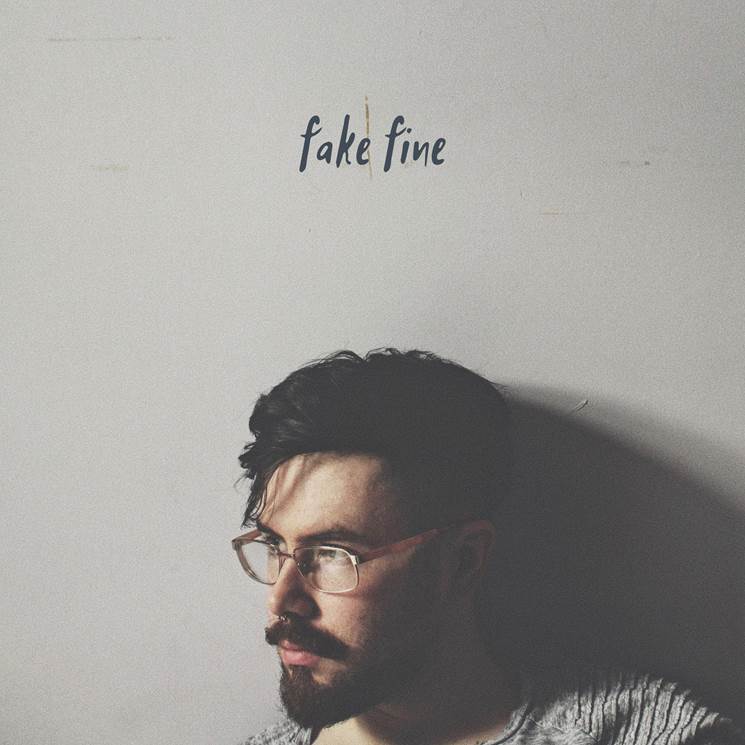
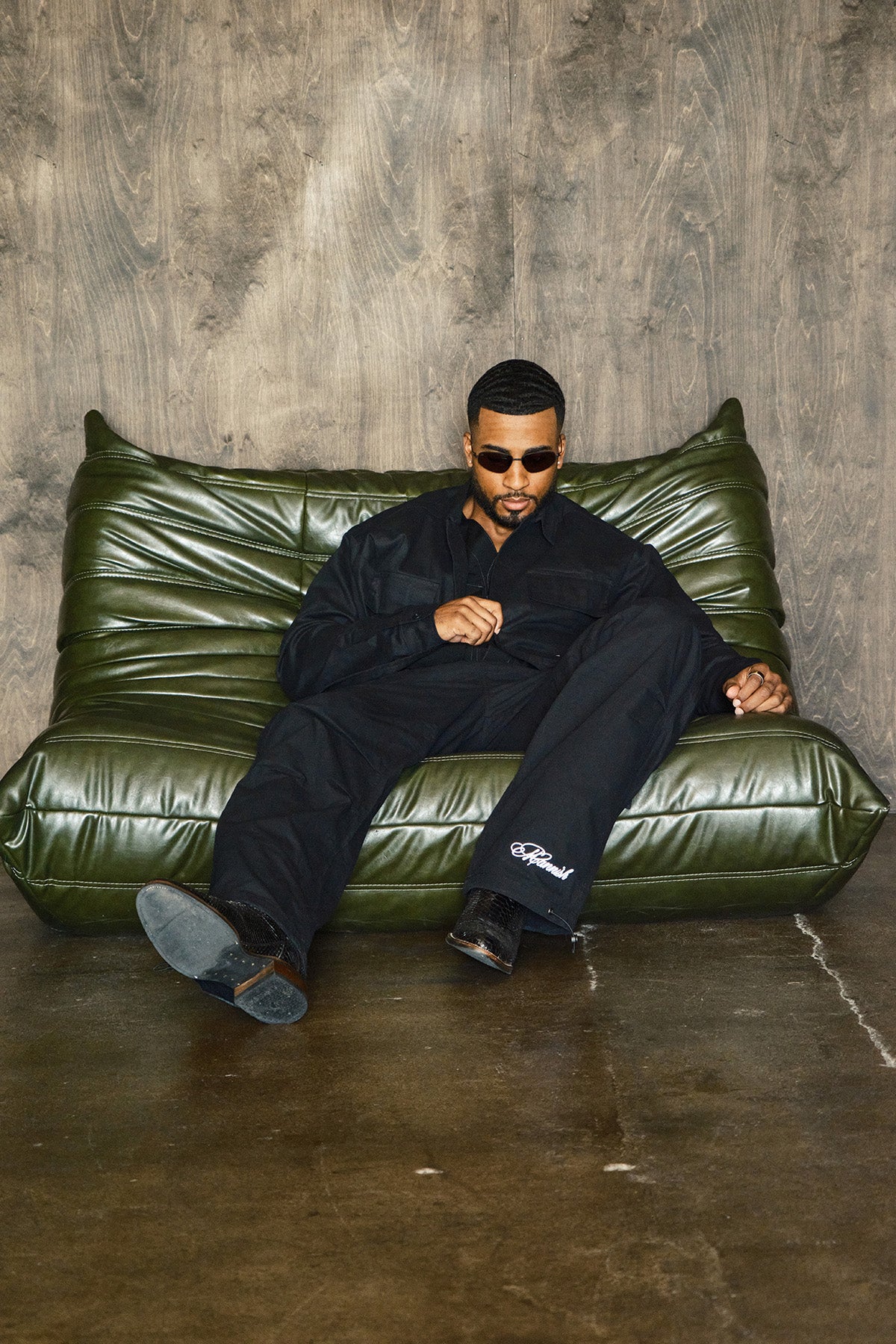
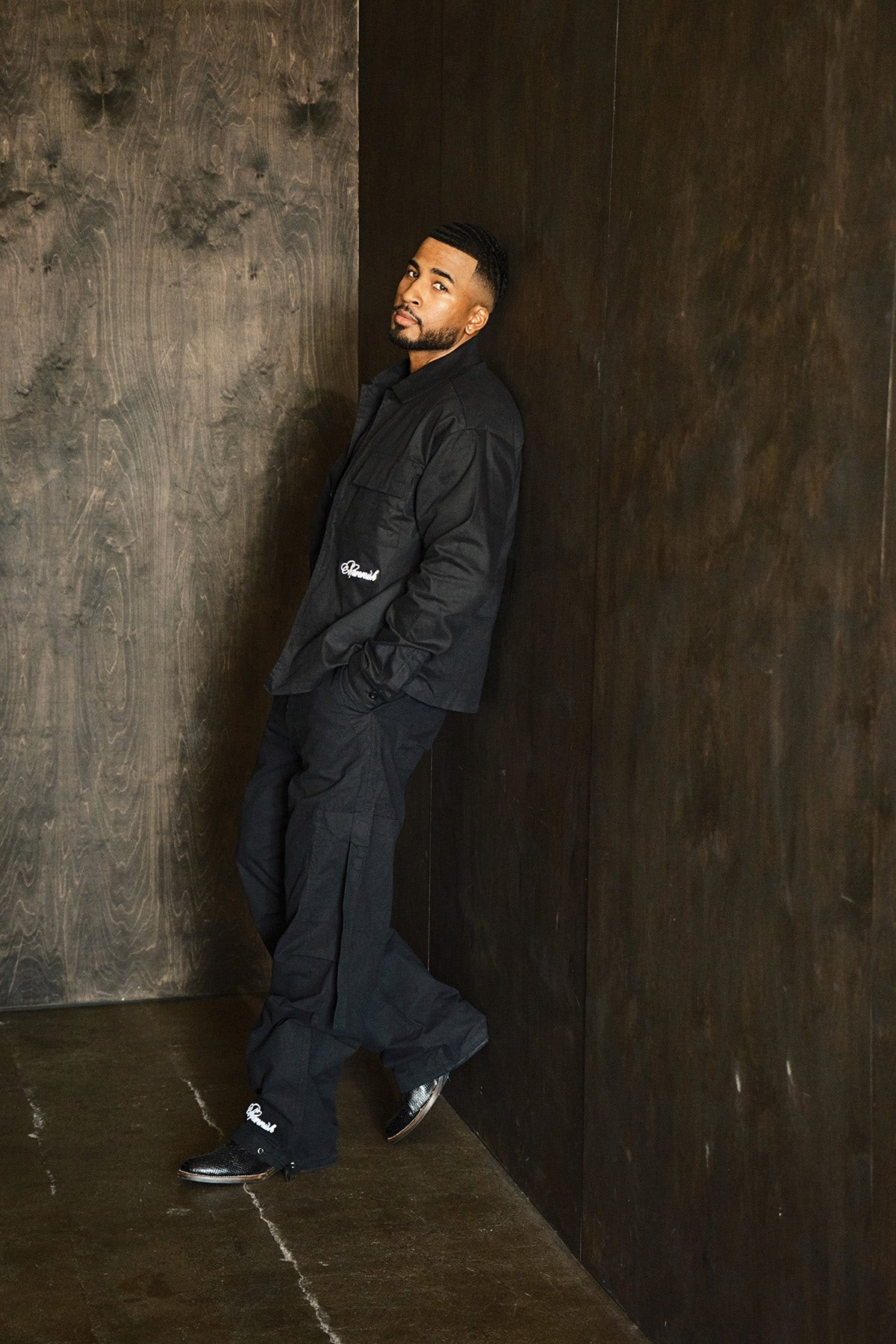
From modeling to design, the creative behind MANNISH is turning vintage references, workwear, and immigrant history into a new kind of menswear.
For Gregory De Anda, fashion started with observation.
Before creating his own brand, MANNISH, De Anda worked as a model, giving him an unusual education in clothing. He studied the garments he wore on set, paying attention to everything from zippers and construction to fabric quality and fit. What began as curiosity eventually became a blueprint for building a brand of his own.
His debut collection, artists + immigrants, takes that experience even further. Inspired by Black musicians whose influence has been overlooked, his childhood surrounded by workwear, and his family’s immigrant story, the collection is as much about history as it is about clothing.
Now, as De Anda steps further into his role as designer and entrepreneur, he is building MANNISH around craftsmanship, patience, and the idea that clothes can carry stories long after their original moment has passed.
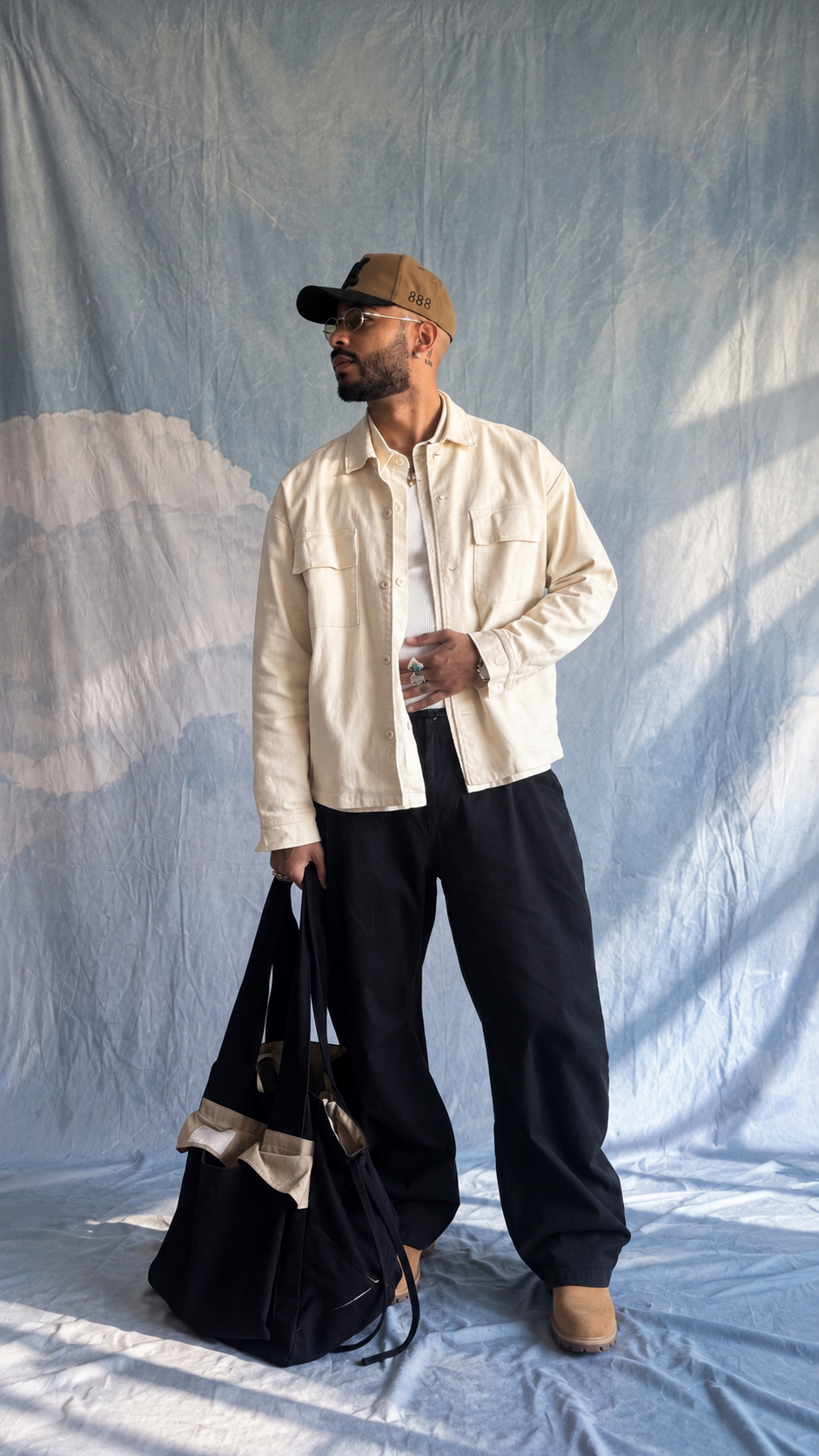
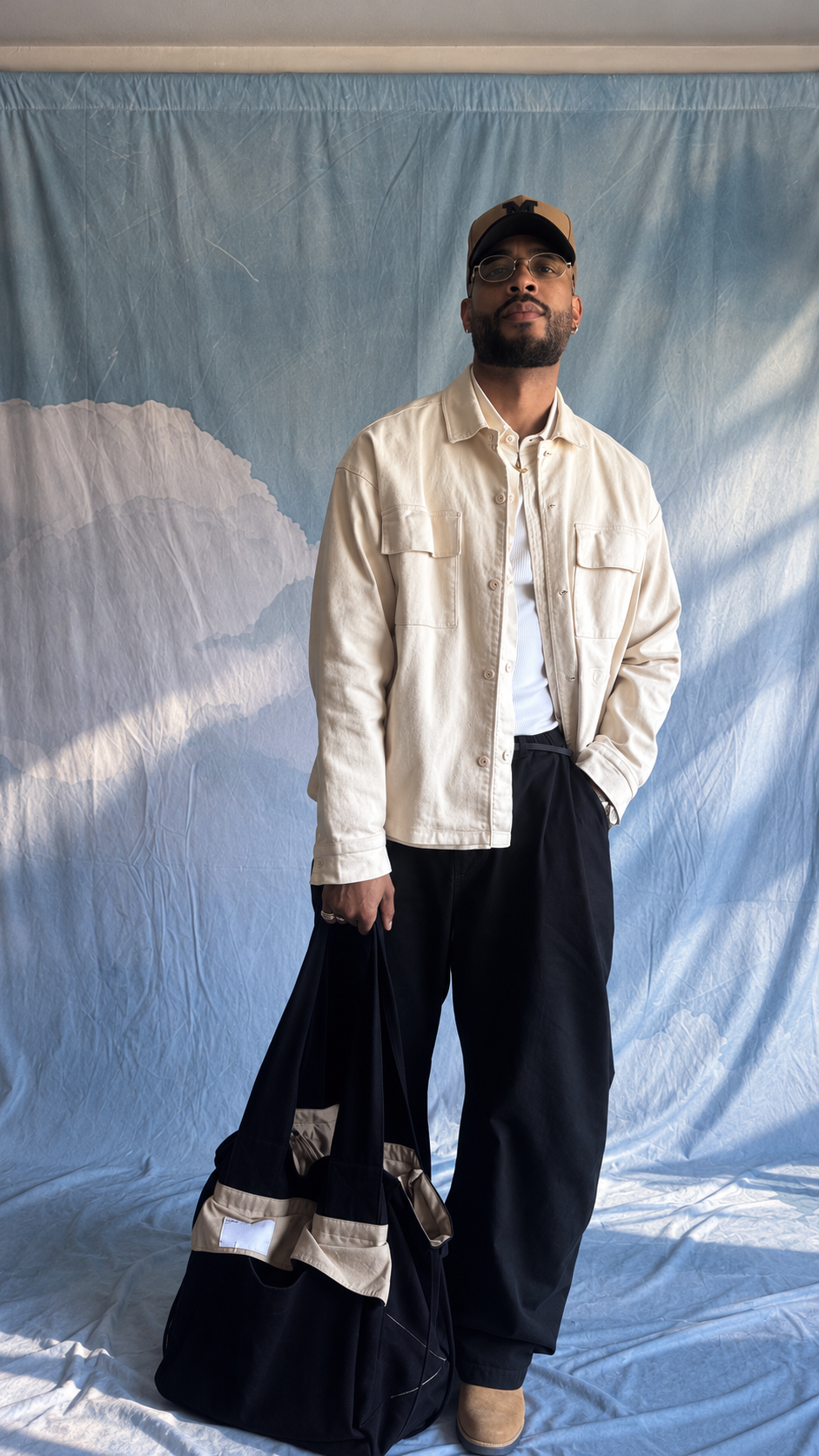
Courtesy: MANNISH
B: You entered the fashion industry through modeling. What did modeling teach you about design?
R: As a model, you have first access to samples because that’s what you’re shooting. I started studying the pieces. Maybe the zipper was weird and I’d think, “How do I avoid that in something I want to make?” Or maybe the design was trendy but I didn’t like it, or the T-shirt felt cheap. I was getting early access to all these things, and once I started looking at them that way, I realized they were basically blueprints for how to make my own brand.
That helped me understand quality, how I wanted things to fit, how to shoot clothing on set, and even how to run a set. I gained all that information from being a model. Markdown pegado
B: When you created MANNISH, how did you define its vision?
R: It started as a way for me to showcase artists who were starting to get forgotten, even though they were influences on artists we all know and love. I was researching some of the blues musicians that Elvis had taken inspiration from, and other artists who had enormous generational influence but were slowly being forgotten.
I wanted to focus on those Black musicians and bring their stories back into the conversation. Finding photographs of them and screen-printing those images became really important to me. Then, as I found better resources, I was able to create higher-quality clothing.
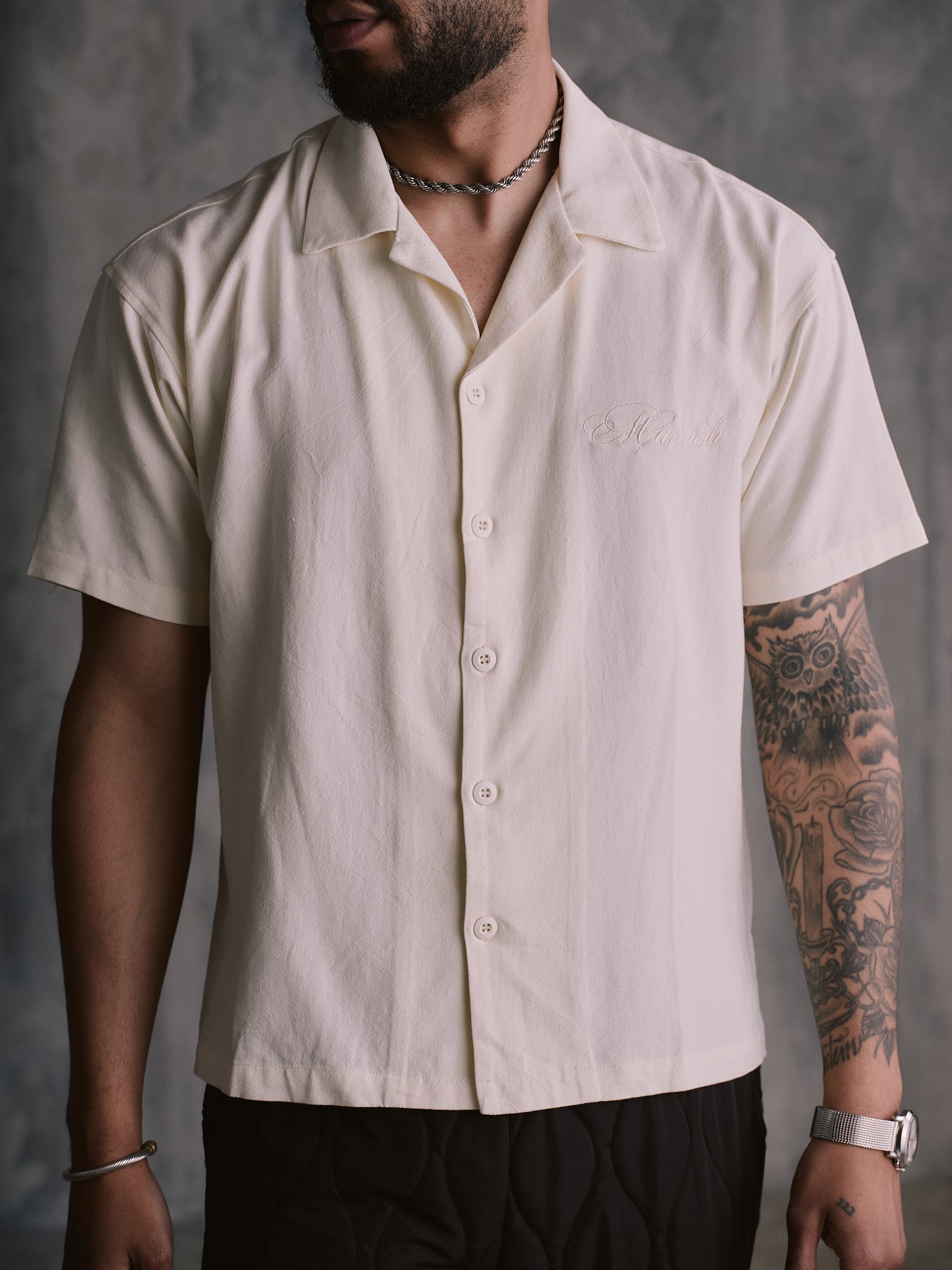
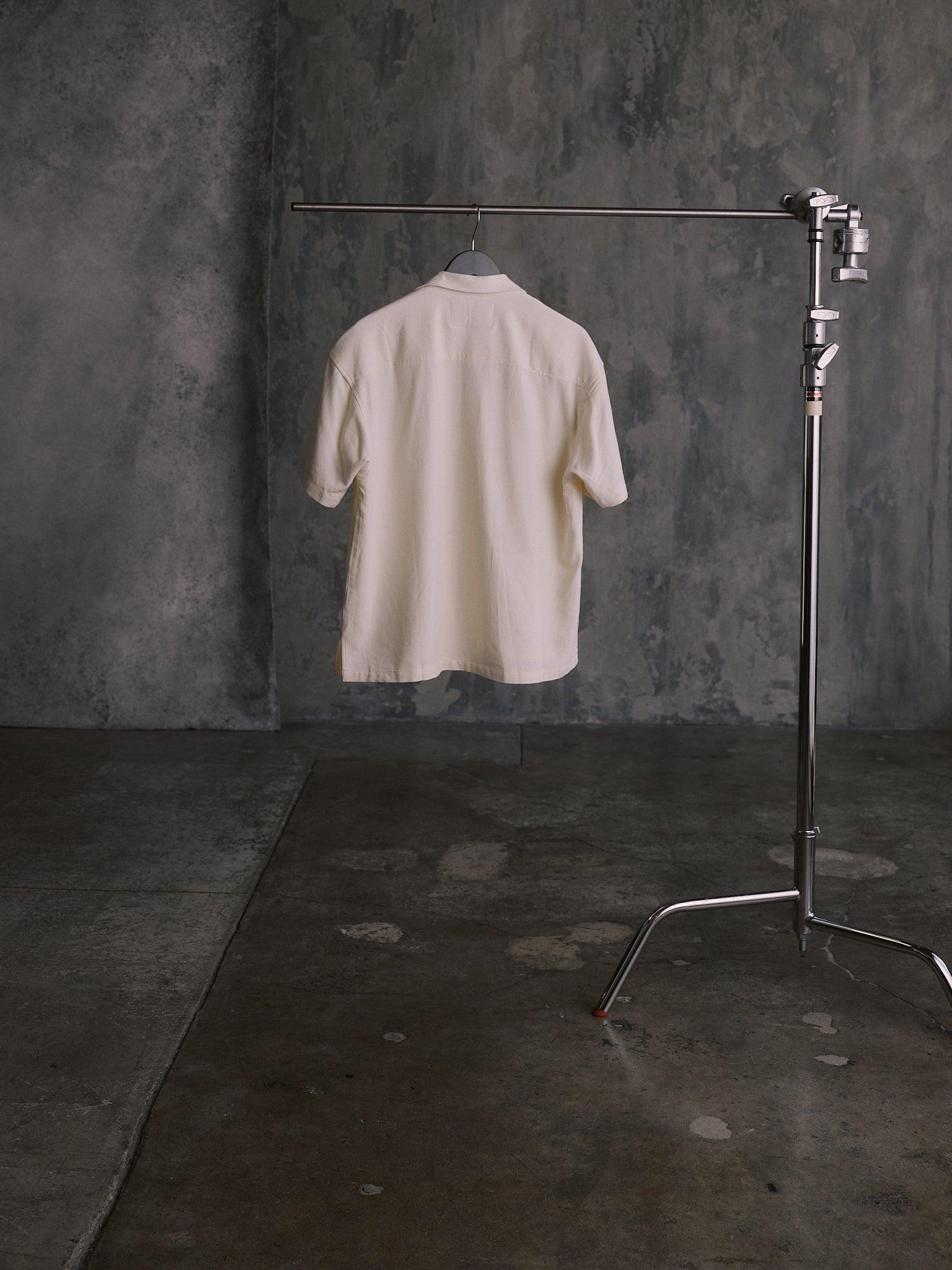
Eventually, workwear started speaking to me too because it’s what I grew up around. A lot of the musicians I was researching wore workwear, so those two worlds naturally came together. Markdown pegado
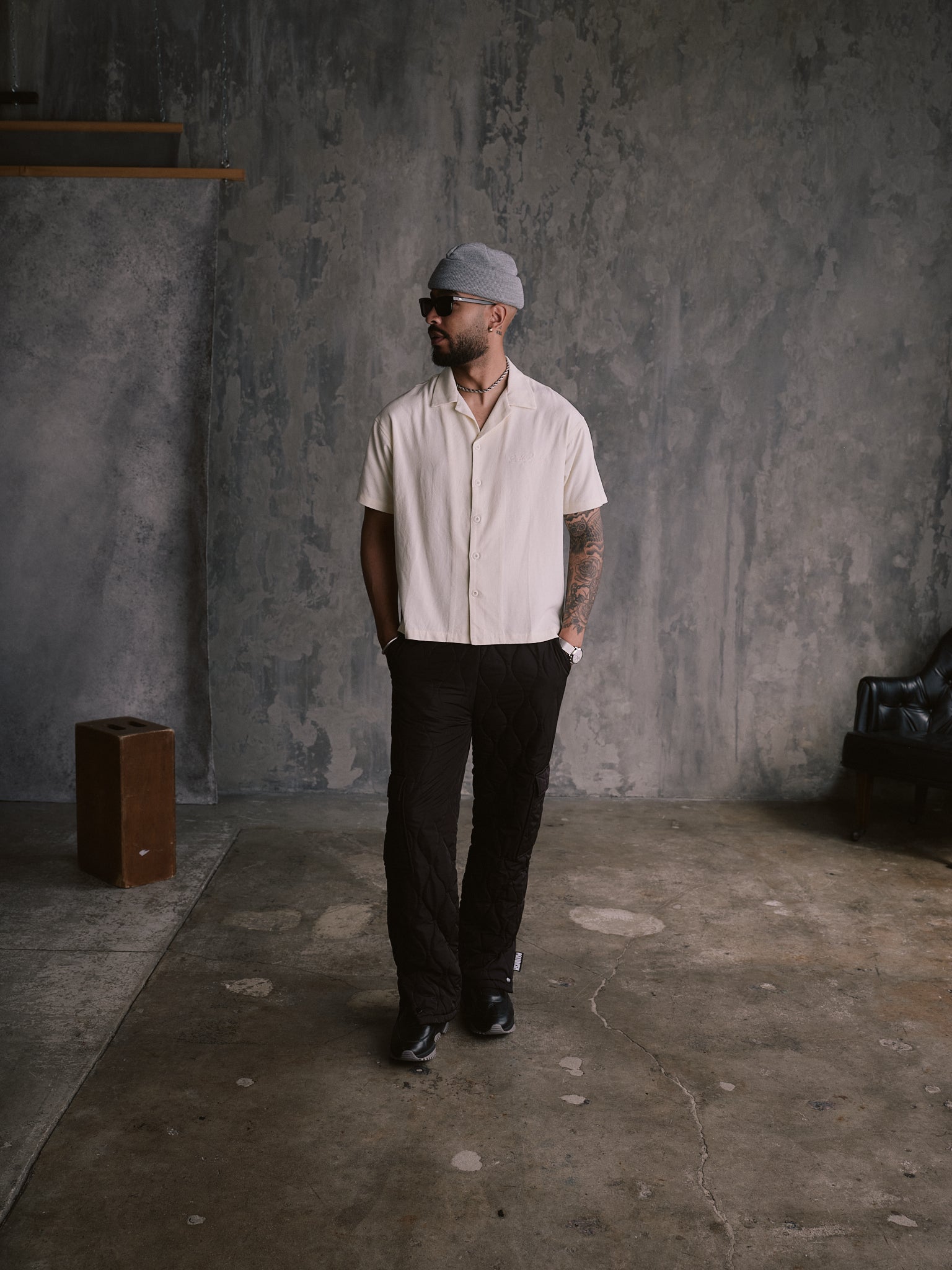
B: What was the first step in turning that vision into an actual brand?
R: Understanding that you can’t do everything yourself. Once I got out of my own way and started finding professionals who could help bring my vision to life, things really started moving.
I found my pattern maker here in L.A., Jason, and we realized we had the same vision for quality and cuts. He was also able to mentor me, which helped tremendously. Then I brought in my seamstresses, and eventually my PR agent, Shay, who helped open doors and get my story out there.
As artists, we’re rarely good at every part of the business. You need a team, and you need a strategy. Markdown pegado
B: What’s one thing you wish someone had told you before becoming an entrepreneur?
R: Patience.
I know that’s not what people want to hear. They want to know how to make money or how to grow quickly. But it really comes down to patience. If you rush something, it isn’t going to fully be your vision because you’re worrying too much about outside noise.
You have to listen to your intuition and take your time. Everything has its own journey.
I’ve had projects delayed when I wanted them out immediately, but sometimes that inconvenience gave me more time to sit with the work and make it better. I’ve actually become grateful for those moments. Markdown pegado
B: What does masculinity mean to you when it comes to fashion?
R: To me, masculinity in fashion means things that are built to last. High quality, slightly oversized, comfortable.
But I love seeing how those ideas can be flipped. My mom once saw one of the oversized shirts I had designed specifically with a man in mind and said, “You know what? I could wear this as a dress.” I hadn’t even considered that, and she looked great.
I didn’t start MANNISH thinking I was going to make women’s clothing. I only knew men’s clothing because that’s what I had always worn. But when I launched in Seattle, I noticed women, particularly within the LGBTQ community, were more interested in MANNISH than I expected.
I realized, why would I cut out half of my potential audience? Markdown pegado
B: Tell us about your new collection, artists + immigrants.
R: The collection means a lot to me because of my family. My mom was born in Mexico and immigrated here as a kid. She worked incredibly hard and made sacrifices that eventually allowed me to become an artist.
For my family, the immigrant mentality was always about stability. Get a job, work hard, make a living. Don’t necessarily dream about being an entrepreneur. And I don’t want to criticize that because they were doing what they thought was best for us.
I’m incredibly grateful that my family supported me anyway. They never told me, “Maybe you should do something else.” They just said, “It’s going to be tough, but we’re here for you.”
That’s all I needed.
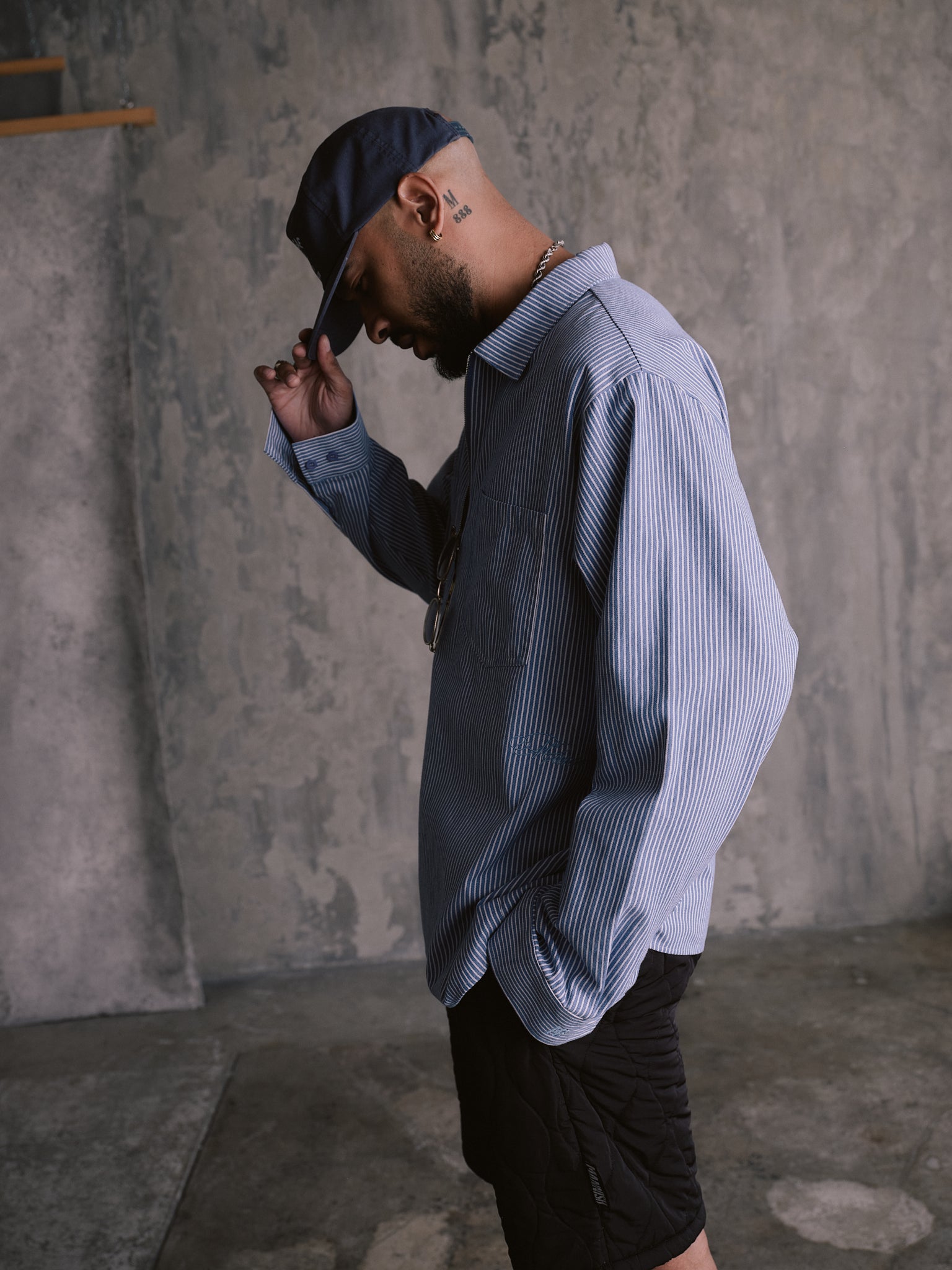
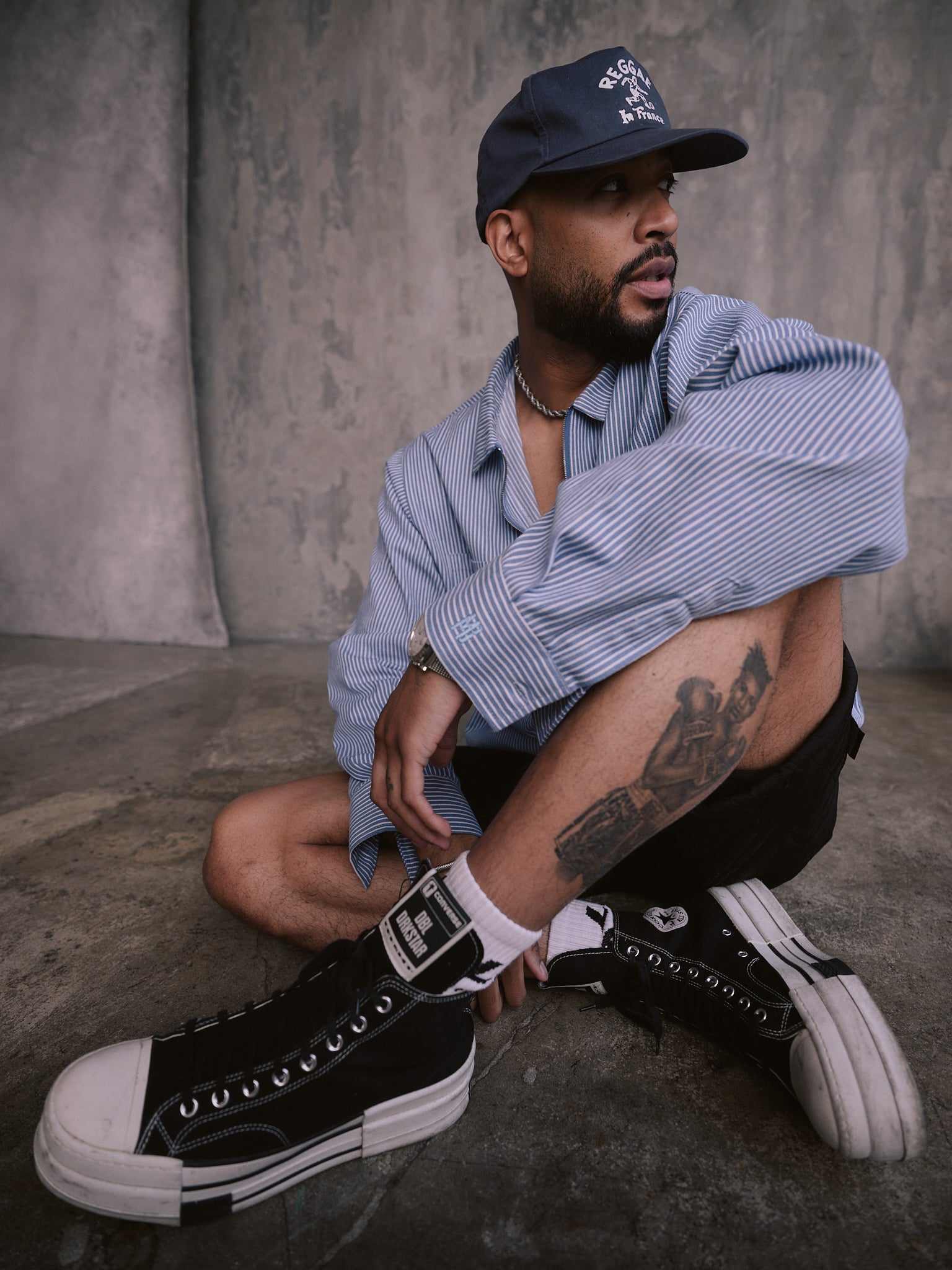
So artists + immigrants is a love letter to immigrants, to my grandparents, and to my parents. It’s about being grateful for the sacrifices they made and recognizing that those sacrifices have helped make this country what it is. Markdown pegado
B: Let’s do a quick fashion round. Vintage or new?
R: Vintage.
B: Art or commerce?
R: Art.
B: Trend or timeless?
R: Timeless.
B: What’s one fashion trend you think people shouldn’t be wearing?
R: Skinny jeans on guys.
I know they’re going to come back around, though. Five years from now everyone will probably be wearing skinny jeans again and people will find this interview and destroy me for saying it. But I stand behind it. Markdown pegado
B: What do you think men should be wearing more of?
R: Suits.
There’s a whole trend where everyone dresses extremely casually, especially at airports. But one of my biggest inspirations right now is those 1990s LAX looks. You’d see celebrities like Halle Berry, Denzel Washington or Woody Harrelson arriving at the airport, and they just looked cool without looking like they were trying too hard.
I’m not saying everyone needs to wear a full suit to the airport. But put some effort in. You can be comfortable and still look good. Markdown pegado
B: What’s next for MANNISH?
R: We’re working on getting into a few stores, starting with Portland, L.A. and Phoenix. We’re talking with different stores, but it’s about finding the right vibe and the right fit. You have to vet them.
So I’m excited, but again, it’s patience. You have to figure it out, wait for the right situation, and trust that the right opportunity will present itself.
For now, people can find MANNISH online and visit the store in Seattle. Markdown pegado
B: If you could leave one thought with other artists trying to turn their creativity into a business, what would it be?
R: Don’t rush it.
Listen to your intuition. Use the tools you have. Do the best you can with what you have in front of you, and understand that your journey isn’t going to look like somebody else’s.
If it were easy, everyone would be doing it.