
By Rebecca Smith
You may look at a famous painting and think, “I could make that.” The soft colors, simple shapes, and blurry lines may seem too easy to be special. You may even wonder why so many people praise them. This can make it hard to enjoy a great painting when you feel you do not understand it.
The truth is that these paintings look simple because the artists chose to leave out extra details. These choices were new at the time and gave other artists fresh ways to plan, paint, and share their ideas. Once you understand why the artists made these choices, the paintings become easier to enjoy, and you can use the same ideas in your own art.
This article looks at five famous paintings that seem simple but changed the way artists work.
1. Impression, Sunrise Taught Artists to Paint the Moment, Not the Details
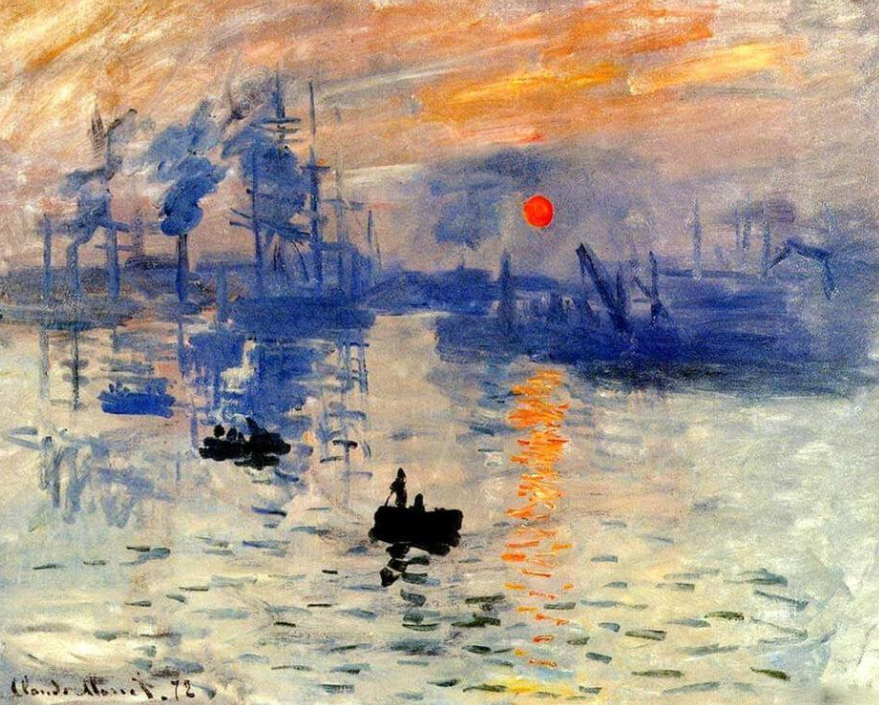
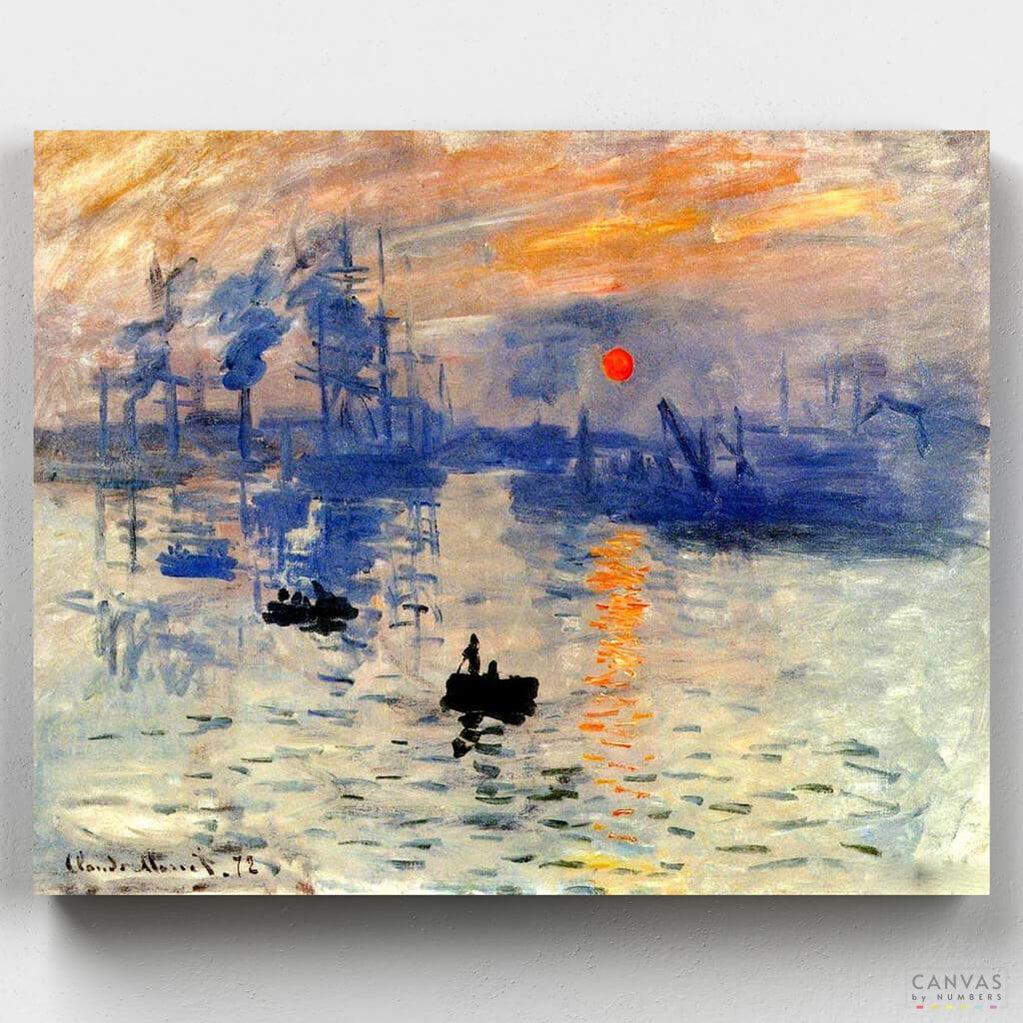
Claude Monet painted Impression, Sunrise in 1872. At first, it looks like a quick drawing of a harbor. The boats are shown as soft shapes, and the sun looks like a small orange spot on the water. If you want to understand famous paintings, this is a good one to start with because it broke the rules of its time.
Monet wanted to show how a place looked at one particular moment. Before him, many artists spent weeks adding small details to their paintings inside a studio. He showed that artists could paint quickly using short brushstrokes and still create a powerful picture.
One critic used the painting’s title to make fun of this new style. This is how the name Impressionism came about. Soon, other artists started taking their paints outside and painting the effects of light instead of focusing on tiny details. This changed how artists planned their work and spent their time.
2. The Great Wave Off Kanagawa Showed the Power of Bold Outlines and Flat Color
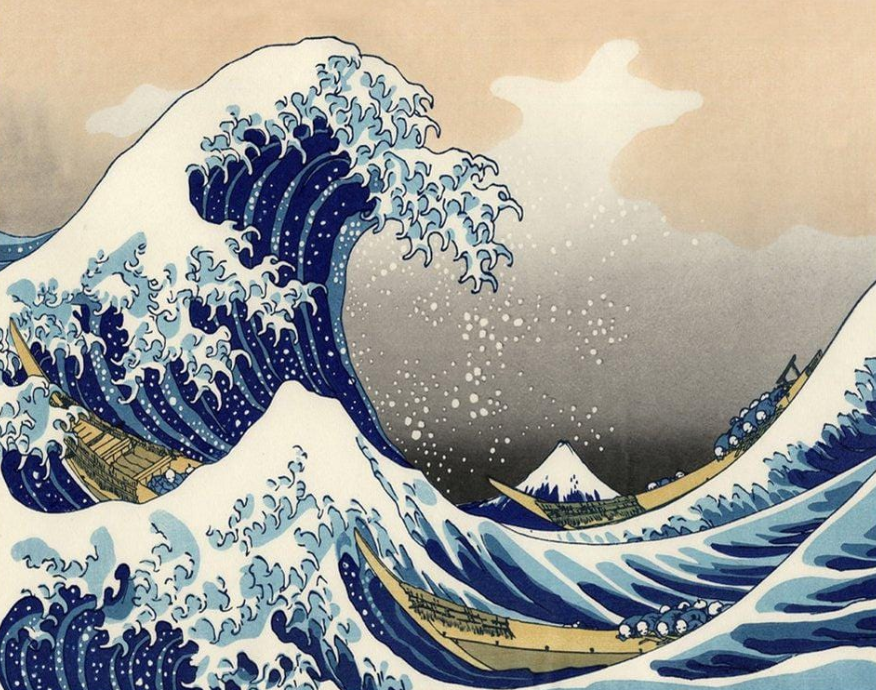
Katsushika Hokusai created The Great Wave off Kanagawa around 1831 as a woodblock print. It shows a giant wave, three boats, and Mount Fuji. The picture uses clear outlines and flat areas of color. This famous artwork may look easy to copy, but making it required careful planning.
Hokusai had to plan every line and color area before printing the picture. This meant he had to work in clear steps instead of changing things as he went. You can see a similar idea in pictures divided into small, numbered color sections.
Artists in Europe saw Japanese prints like this and began using bold shapes and flat colors in their own work. They learned that strong outlines could guide the viewer’s eyes better than extra details. As a result, this print changed how many artists understood space and design.
3. The Starry Night Turned Brushstrokes into Feeling
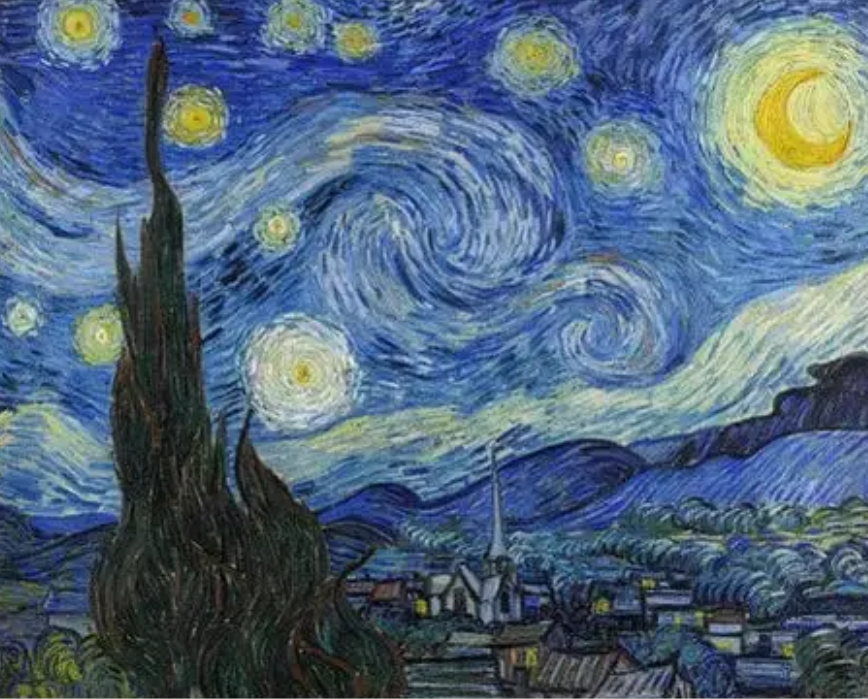
Vincent van Gogh painted The Starry Night in 1889. He used his memories of the view outside his window at Saint- Rémy. The sky is filled with swirling shapes, while the village below is made of simple blocks of color. At first, the painting may look like a fun and playful picture.
When you look closely, you can see thick, short brushstrokes on the canvas. Each stroke moves in a certain direction, making the paint look full of movement. This showed artists that brushstrokes could express feelings, not just create shapes.
Before Van Gogh, many artists mixed their paint until the brushstrokes could no longer be seen. After his work, more artists began showing their brushstrokes and using colors to express different moods. This is why the painting is often named among the most famous paintings of all time.
4. The Scream Proved Color and Shape Can Show Emotion
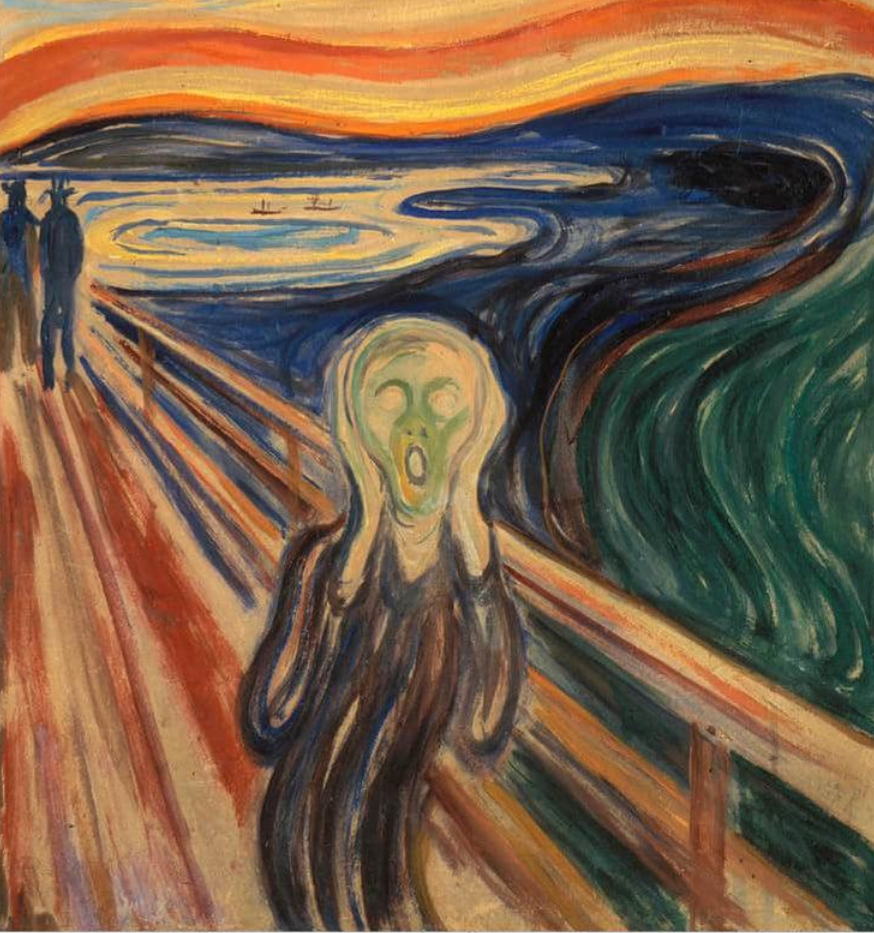
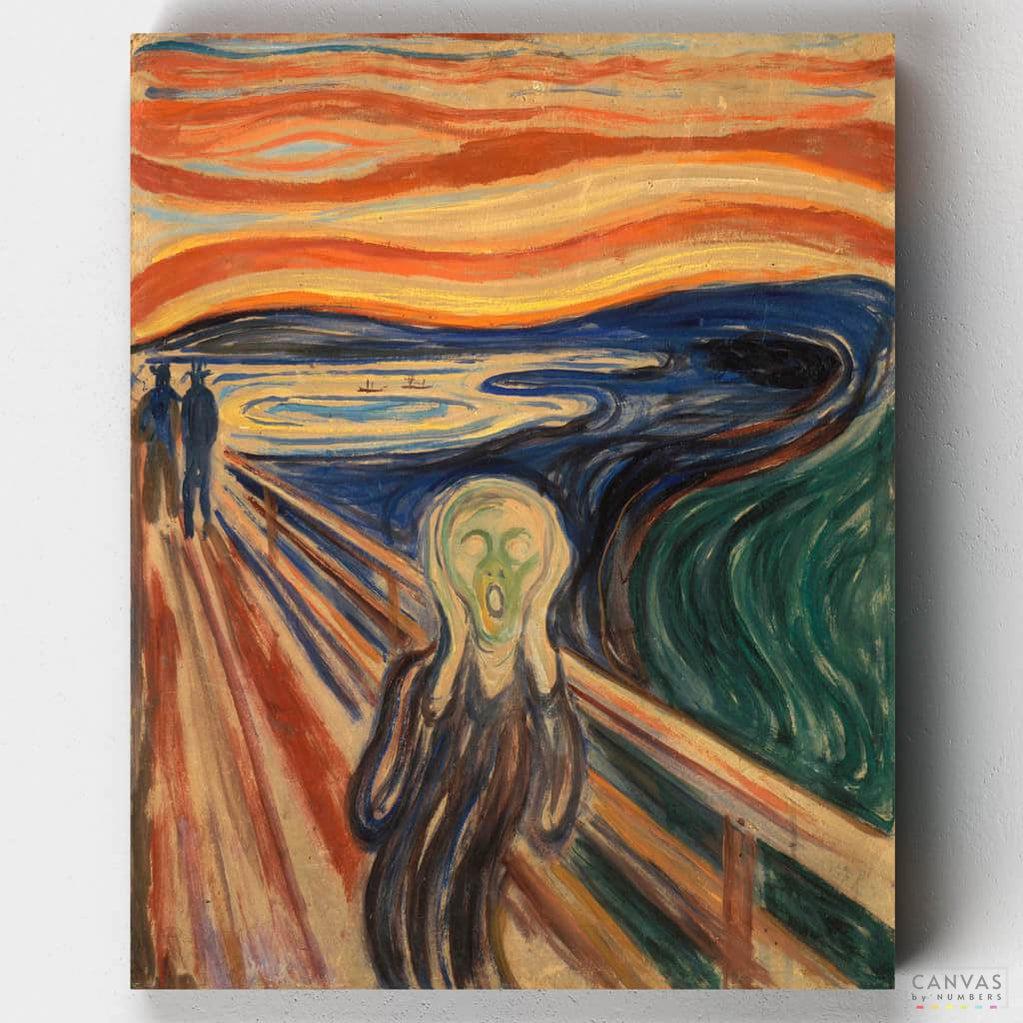
Edvard Munch painted The Scream in 1893. It shows a figure standing on a bridge beneath a red sky. The face has very few details, and the body is made with wavy lines. Because the shapes look so simple, you may think the painting was easy to make.
Munch kept the shapes simple because he wanted people to feel the mood first. He used curved lines and unusual colors to show fear and worry. This taught artists that a painting does not have to look real to express real feelings.
He also made several versions of the same idea using paint and pastel. This shows that he kept trying different ways to express his message. Later artists, including the Expressionists, also used strong colors and unusual shapes in their work. You can still see this style in many modern paintings today.
5. Nature Morte Showed That Simple Objects Can Hold Big Ideas
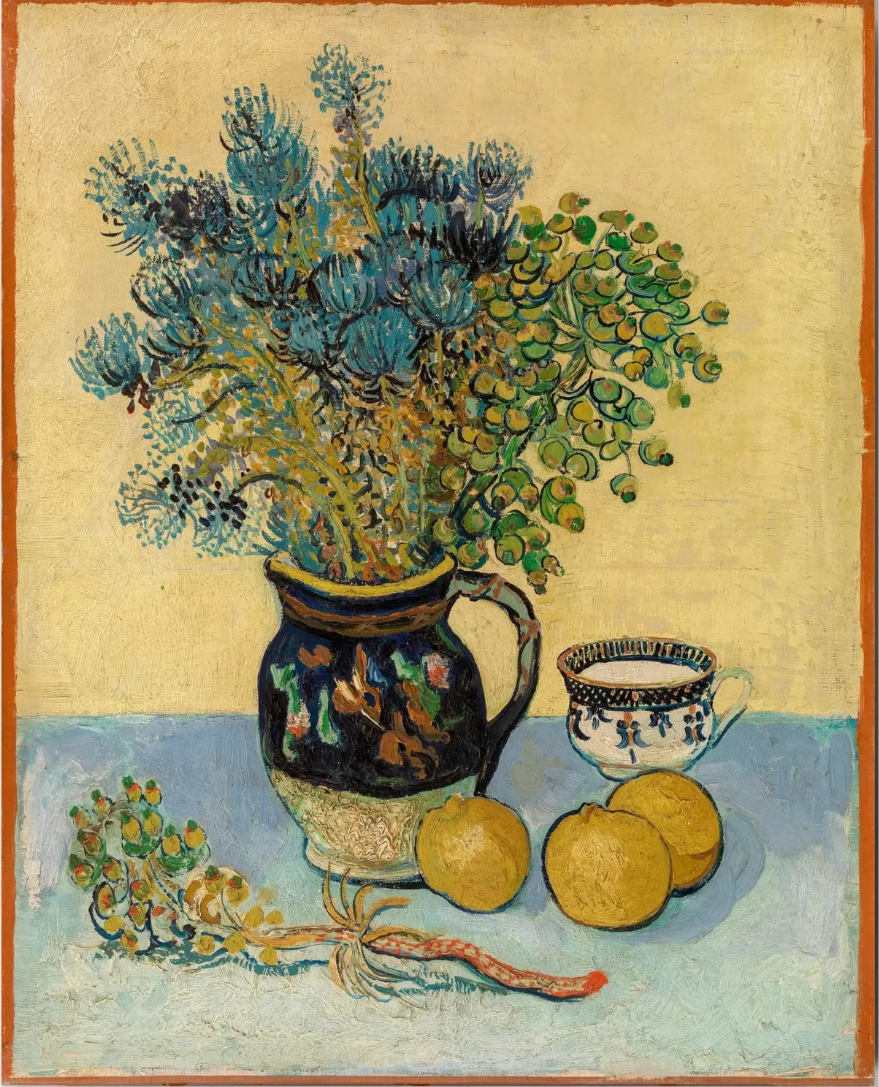



Nature Morte is a French term for still life. Van Gogh painted many still-life pictures of everyday things, such as flowers and fruit. These paintings do not tell a story, and their subjects are very simple. Because of this, they may look too ordinary to be important.
However, Van Gogh used these simple paintings to test how different colors looked next to each other. A vase or a bowl gave him an easy way to try bold colors and thick layers of paint. This showed other artists that even one simple object could teach them a lot about color.
After this, more painters began to understand that great art does not always need a grand scene. A table filled with everyday objects can hold just as many ideas as a busy city. You can try this yourself by placing a few objects together and looking closely at how their colors work with each other.
Conclusion
A great painting does not need lots of details to change the way people create art. Sometimes, the simplest choice can make the biggest difference because it breaks a rule that everyone else follows. This is why paintings that look easy can teach us so much.
The next time you look at old famous paintings, pay attention to the details the artist chose to leave out. Then think about what that choice made possible. Even a simple-looking picture may have more to teach you than you think, so take your time to understand it.