By Rebecca smith
How Can You Get a Fair Price When You Sell a Diamond Ring?
You take the ring off your finger and wonder what it’s really worth. Maybe the relationship ended. Maybe your style evolved. Maybe you just need cash. No matter the motivation, one question surfaces quickly: Will anybody pay me a fair price?
Yes, but only if you know how the process works. A lot of sellers overlook a good deal of money. They trust the wrong number, select the wrong buyer, or rush the deal. A diamond ring isn’t like a used phone.
Its worth is dependent on the stone, the metal, the paperwork, and the market. Fortunately, you have control over a lot of that. Some preparation now can save thousands of dollars later. This guide will help you understand what drives the price, where to sell, and what mistakes to avoid. Read on, and you’ll be ready to sell with confidence.
1. Know What Drives Your Ring’s Value
A specialist buyer evaluates every aspect of your ring individually. So when you sell diamond ring pieces to a dedicated diamond buyer, there are a number of factors that set the price. Understanding them will enable you to evaluate any offer you receive.
- Center Stone: The diamond is the most important. Buyers evaluate the four Cs: carat weight, cut, color, and clarity. A well-cut, colorless stone that looks clean to the eye is worth much more than a stone with visible imperfections or a yellow tint. Size is also important, and larger stones are typically more expensive per carat.
- Shape: Round diamonds remain the most popular shape, and they are generally the most valuable. Fancy shapes such as oval, cushion, or pear change with trends. A shape that’s trendy today may be less sought after later.
- Metal: Platinum is the most lucrative because it is dense and rare. Then there’s 18K gold, followed by 14K gold and silver. While the band might be minor, it adds real value.
- Brand: A ring designed by a popular designer can add value. Original boxes and receipts can assist in establishing its origin.
- Market: Diamond and metal prices fluctuate constantly. When a buyer sets an offer, they use the current numbers. Therefore, the same ring could be worth a different amount six months later.
2. Gather Your Paperwork First
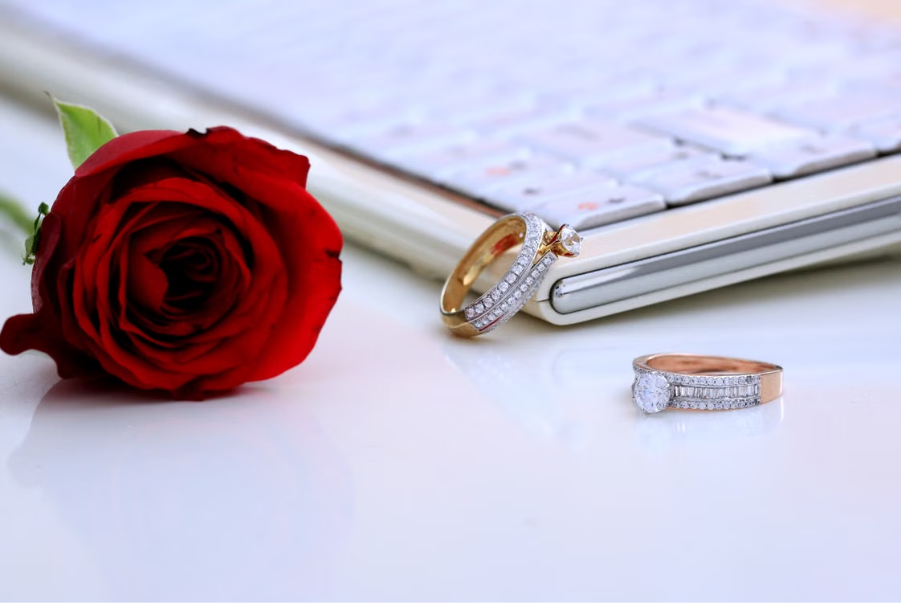
Documents build trust, and trust builds higher offers. Start by hunting for your grading certificate. A report from a respected lab, such as GIA or AGS, confirms exactly what your stone is.
Certified diamonds often bring 10% to 30% more than similar stones without a report. Buyers also avoid the cost and risk of re-grading, which can sometimes push a borderline stone into a lower grade.
Next, look for the original receipt, any appraisals, and the designer packaging. Even if they feel unimportant, these items speed up the review and support a better price. Finally, take clear photos of the ring from several angles. Good photos help buyers give a more accurate first quote.
3. Don’t Rely on Your Insurance Appraisal
Many people treat their insurance appraisal as the ring’s true value. That’s a common trap. Insurance papers show replacement cost, which is what it would take to buy a similar ring new today.
Those numbers run high on purpose. A buyer’s offer will always come in lower, and that is normal. Instead, gather real quotes from buyers. They show what the ring can actually earn.
4. Choose the Right Place to Sell
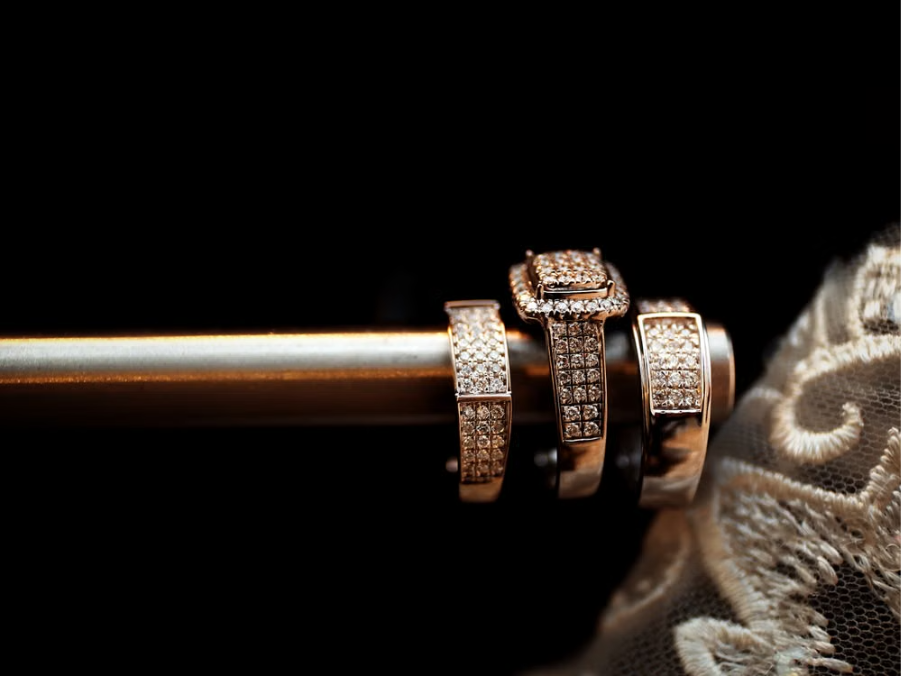
Where you sell may be the most important choice you make. Each option has trade-offs in price, speed, and safety.
- Specialized Diamond Buyers: These buyers focus on diamonds and sell to a national market. Because of that, they can often pay more than local shops. Most offer insured shipping and quick payment, often within a week. For most sellers, this is the best all-around choice.
- Local Jewelers: A local store is convenient, and you may get paid the same day. However, shops buy mainly to resell nearby, which limits what they’ll pay. Large chains often offer even less because of higher overhead.
- Auction Houses: Auctions can work well for rare or high-value designer rings. Still, commissions often run from 10% to 28%. The process also takes weeks or months, and a sale is never guaranteed.
- Consignment: You hand over the ring and wait. Fees can reach 50% of the sale price. Moreover, you may wait a long time, and the ring might never sell.
- Online Marketplaces: Selling directly to a buyer can bring strong prices. Yet it carries real risks, such as fraud and no buyer protection. It also takes time to list, photograph, and negotiate.
- Pawn Shops: You get fast cash, but usually the lowest price. Pawn shops are generalists, so they price cautiously. Use one only as a last resort.
5. Get More Than One Quote
Never accept the first number you hear. One quote tells you very little. Two or three quotes from trusted buyers show you the true range. If one offer sits far below the others, you’ll spot it right away. Also, compare more than price. Look at shipping insurance, payment speed, and return terms. A slightly lower offer from a safer buyer can be the smarter deal.
6. Ship the Ring and Get Paid Safely
Once you accept an offer, protect the ring on its way. Use insured, tracked shipping, ideally arranged by the buyer. Never send a diamond through standard mail without coverage.
Keep your tracking number and a copy of the written quote. After the buyer inspects the ring, payment usually arrives by check or bank transfer. If you decline the final offer, a good buyer will return the ring at no cost to you.
Watch for Red Flags
A fair price means little if the buyer isn’t trustworthy. Pause if you notice any of these signs:
- No real address, phone number, or track record
- Pressure to decide today. Diamond prices don’t move that fast
- Vague answers about shipping and insurance
- A big, unexplained drop in the offer after they receive the ring
- Charges for returning the ring if you say no
- No written offer, receipt, or proof of payment
A reputable buyer puts everything in writing, explains any change in price, and returns your ring at no cost if you decline. If a buyer won’t do those things, walk away.
Conclusion
Getting a fair price for your diamond ring comes down to preparation. Know what your ring is worth on the resale market, and set realistic goals. Gather your certificate and receipts, and set the insurance appraisal aside.
Compare several quotes from trustworthy buyers, and choose a safe way to ship. Most of all, don’t rush. With a little patience, you can avoid common mistakes and land at the high end of what your ring can earn. Your ring has a story, and it deserves a fair next chapter. Start gathering your documents today.