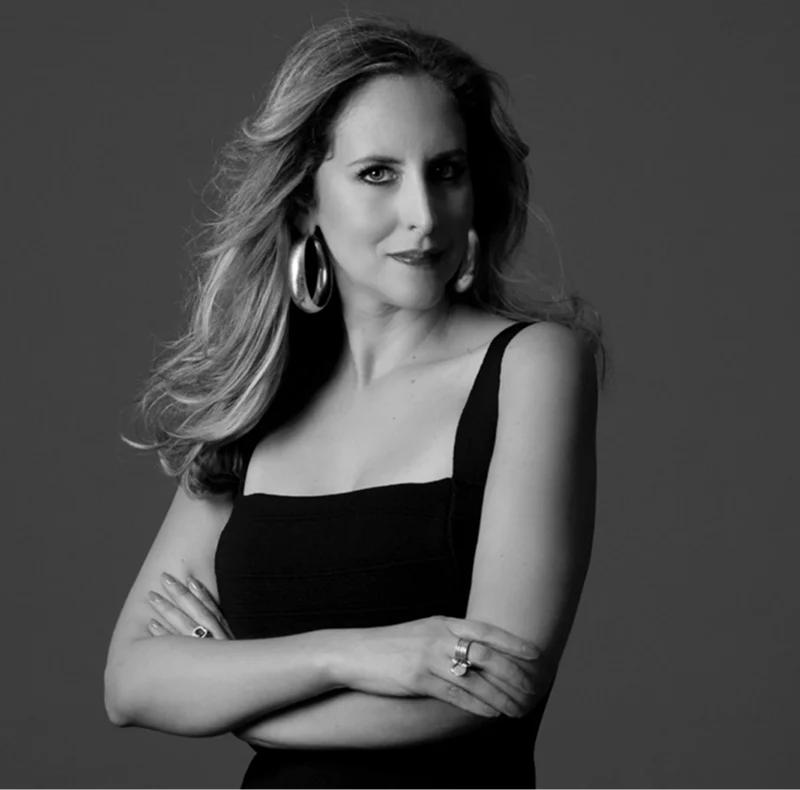
 Eliana Gamboa is the founder and creative director of My Paloma, a brand bringing together the richness of Latin American craftsmanship and contemporary Australian design. With a unique perspective shaped by two cultures and a deep appreciation for the stories behind fashion, Eliana offers a refreshing take on creativity, heritage, and the meaning of building something with purpose. We sat down with her to hear the story behind her vision.
Bello: You grew up between two different worlds, Peru and Australia. How do these two cultures live inside you, and how can we see them reflected in your designs?
Eliana: My early years spent in Lima, surrounded by the constant rhythm of the Pacific Ocean, ancient cultures, wonderful food and its unforgettable state organised chaos, not to mention a certain magical realism, taught me that fabric carries memory, identity and defiance, but also quality over quantity. Australia, on the other hand, is a space for reinterpretation, possibilities and relaxed order. My designs are a fusion between the character and textile richness of my roots and Australia’s functional clarity.
B: Every brand starts with a dream, but there’s usually a very personal reason behind it. What was the moment when you knew you wanted to create My Paloma?
E: After my daughter was born, I reached a pivotal moment that drove me to step away from the conventional corporate path and fully embrace my creative potential. I decided to return to university, earning qualifications in cultural studies and fashion curating while championing the incredible creative talent of emerging Latin American designers. Before long, I realised that I had a distinct creative vision of my own, which led me to the founding of My Paloma as a brand established not only to honour my daughter’s name, but to connect her with her rich cultural heritage and demonstrate the meaningful impact it can have across two cultures.
B: You’ve said that fashion is a way of preserving memories and telling stories. Is there a particular piece in your collection that carries a story especially close to your heart?
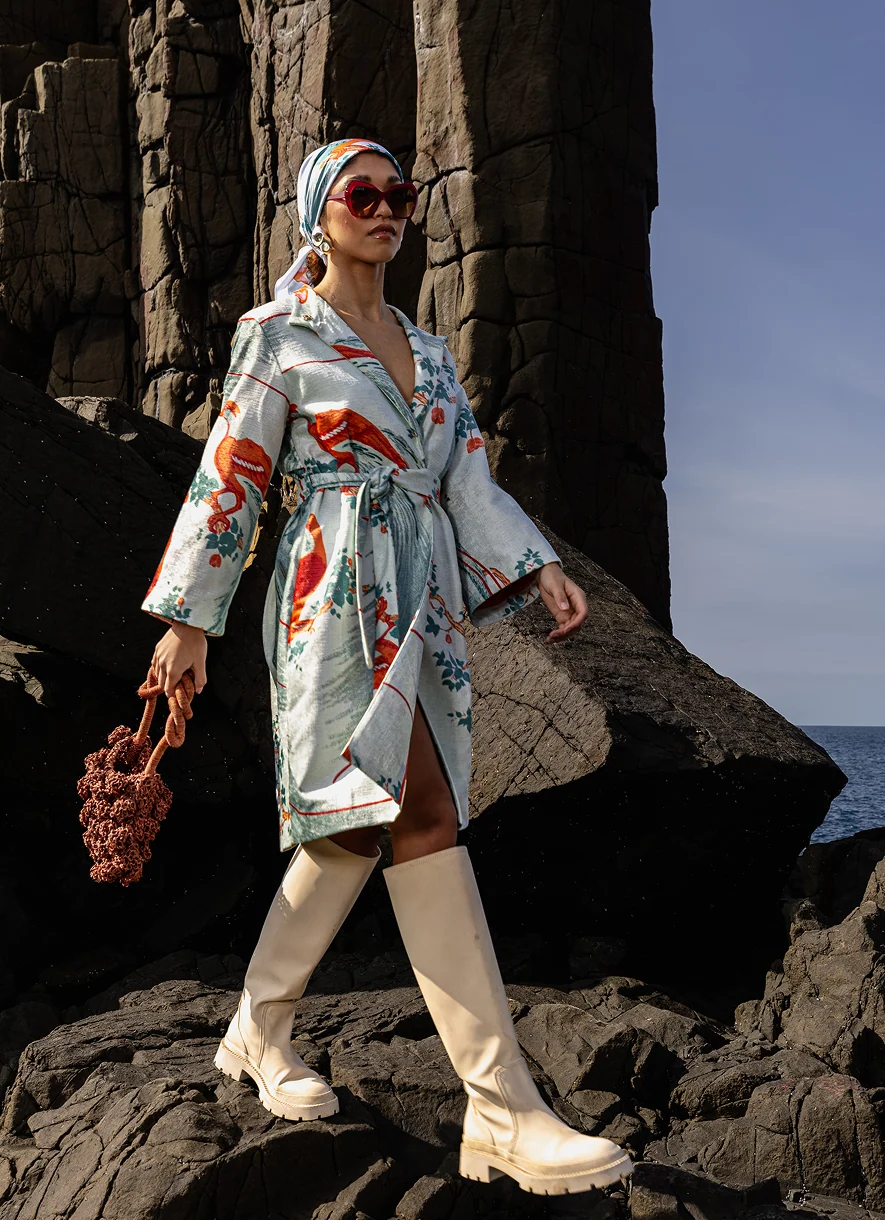
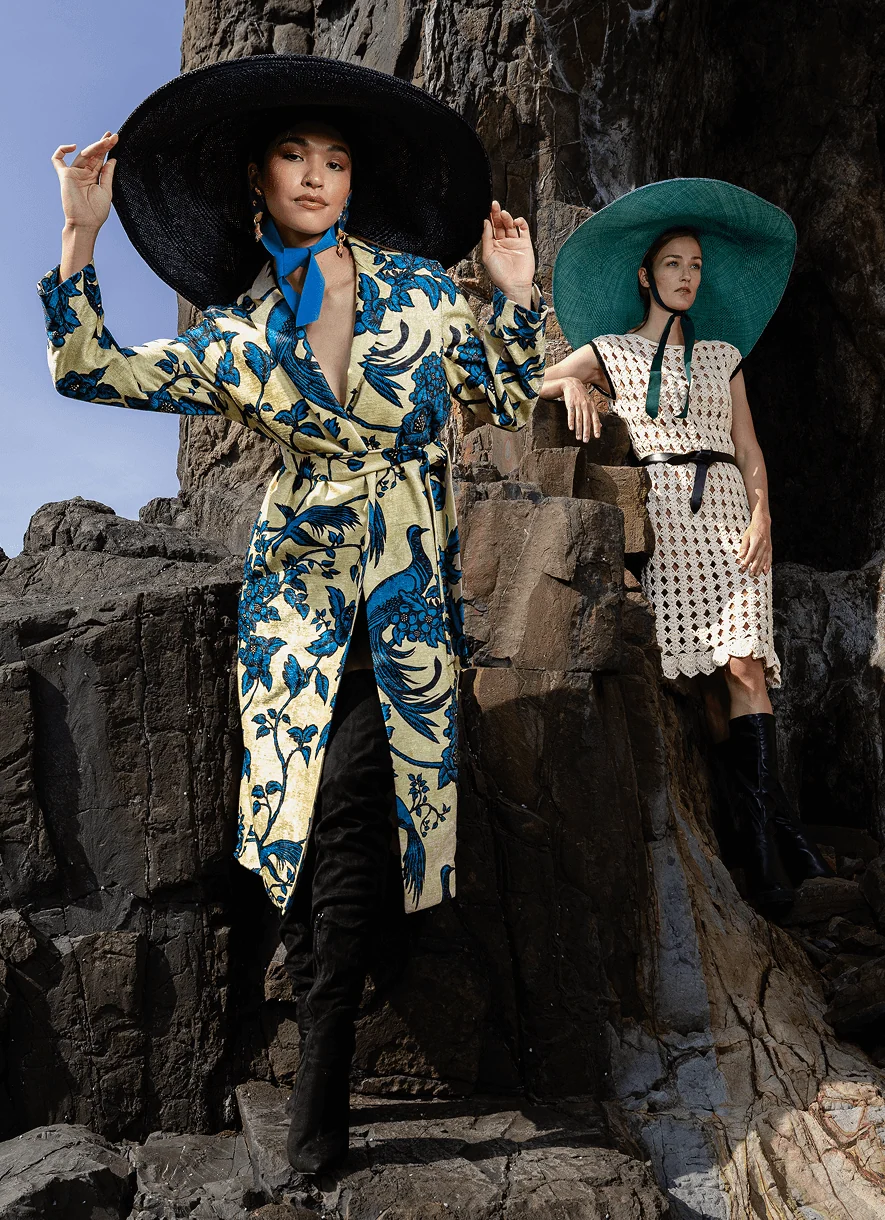
E: I must say the ‘Exotic Birds Trench’ holds a special place. It was one of our earliest pieces crafted in Sydney in close partnership with a social enterprise that empowers refugee and migrant women through skills and training mentorship. It took days to perfect it, from the colour printing to the materials used, resulting in a versatile, velvety-soft trench coat with a light femininity in the back that fits like a glove every single time.
B: You work closely with artisans and a women led atelier in Peru. How have these women influenced not only your work, but also the way you see fashion and business?
E: Working with these remarkable women is a constant source of inspiration. They are incredibly resilient, dedicated and driven to succeed in their craft. Our relationship goes far beyond a traditional transaction; we work as equal partners, rooted in mutual respect and admiration. Seeing their determination fuels my own passion to build something meaningful together.
Over time, the business has evolved into more than a fashion brand, but rather a supportive ecosystem where we uplift one another and turn our shared creative visions into reality. Together, we bring our creative vision to life, which is quite empowering.
B: There’s something beautiful about taking traditional craftsmanship and making it part of our everyday lives. How do you find that balance between honouring the past and creating something contemporary?
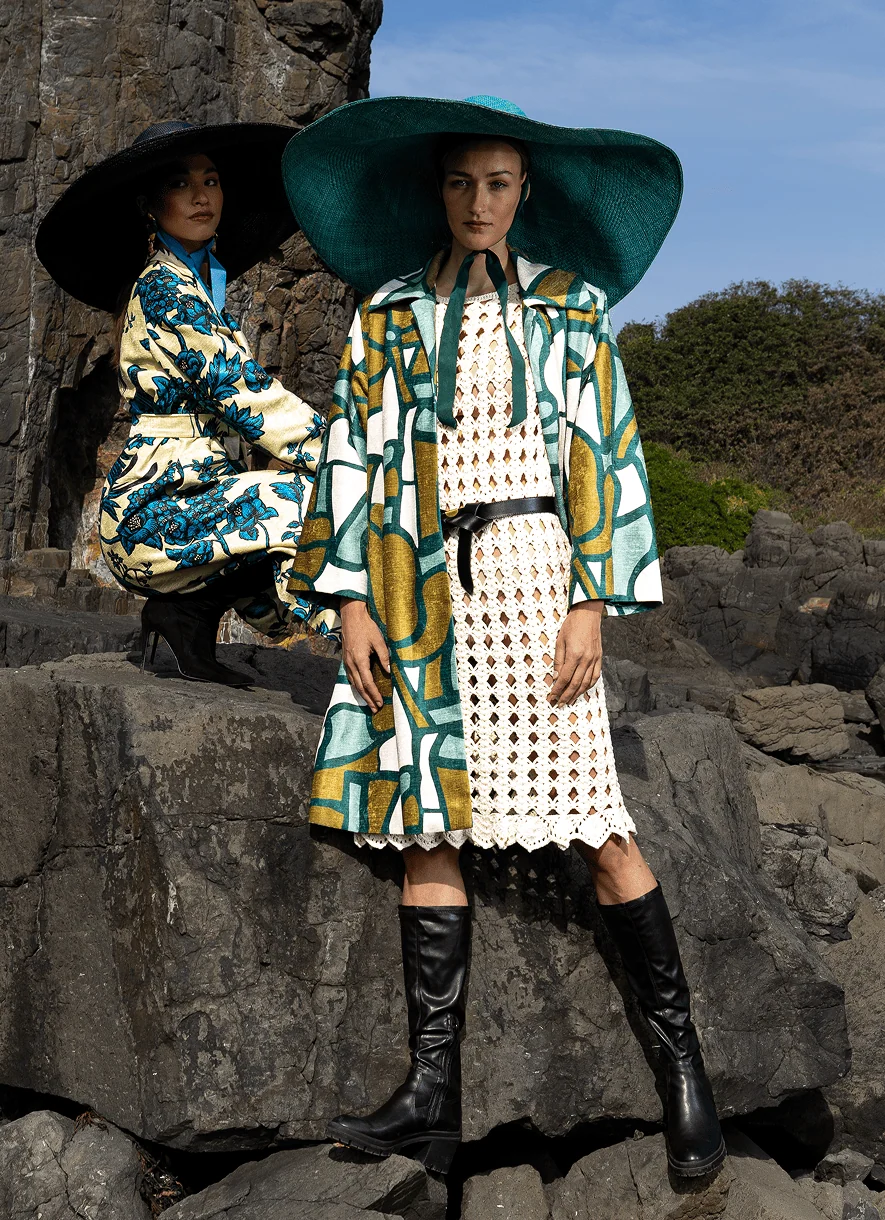
E: We honour the past by using ancestral techniques in our accessory line. From an Australian standpoint, My Paloma pays homage to the legacy of design icon Florence Broadhurst, whose archives dating back to the 1950s through the 1970s are reinterpreted through my own cross-cultural lens and translated into a contemporary colour palette.
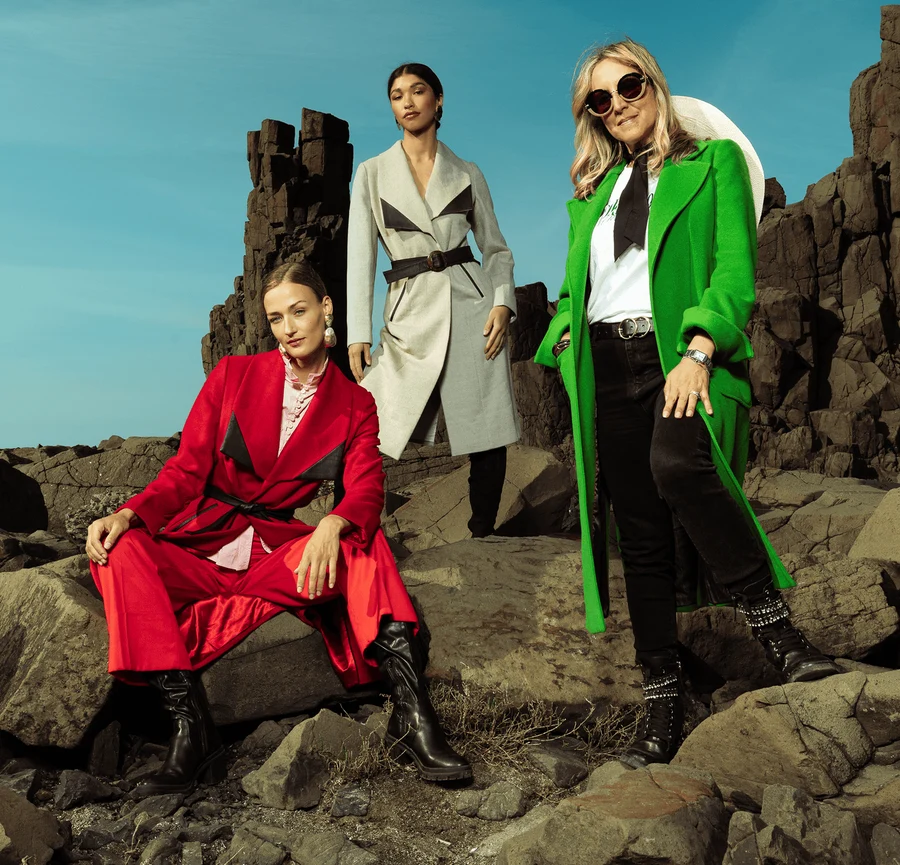
Having said that, I believe art forms from the past are far from static relics, but are continuously evolving in their own right. Through My Paloma, I challenge the existing binaries between fixed tradition versus contemporary fashion, demonstrating that so-called traditional or even folk design is not fixed but fluid, and capable of being reinvented and redefined.
B: When a woman wears My Paloma, what do you want her to feel? And perhaps more importantly, what do you hope she takes with her beyond just wearing a beautiful piece?
E: When a woman steps into a room wearing My Paloma, I want her to feel like the best version of herself in motion, emboldened and confident in a feminine and timeless piece. Above all, I hope she carries a story of memory and legacy she can connect with in the form of a thoughtfully crafted heirloom that can be cherished and passed down for years to come.
B: We all have those fabrics, colours or textures that we simply can’t get enough of. What’s inspiring you at this particular moment?
E: I am a naturally curious person and tend to draw inspiration from everyday life, whether through literature, travel, images beyond fashion, art and even the different landscapes of Peru and Australia.
I am currently drawn to the emotive colour palettes of Australian First Nations artist Tiarna Herczeg, who vividly translates her ancestral roots and abstract depictions of Country onto the canvas. Looking further back, the 1960s wooden sculptures of pop artist Marisol Escobar are really fascinating. I absolutely love her clever use of mixed media influenced by Pre-Columbian and folk art.
B: Let’s talk about you! How would you describe your personal style? Are you someone who dresses according to her mood, or do you have a signature look that never fails?
E: My personal style is a living conversation with who I am at any given moment. These days, I am more inclined to opt for investment pieces that will endure the test of time, but also deliver the versatility needed for a life on the move. You’ll usually find me reaching for a beautifully structured jacket, a pair of flowing palazzo pants, tactical accessories or my favourite cashmere wrap core pieces that let me mix and match to express wherever my spirit takes me each day.
B: We all have people who inspire the way we think, create and dream. Who has had the greatest influence on you, and what is the most important thing you’ve learned from them?
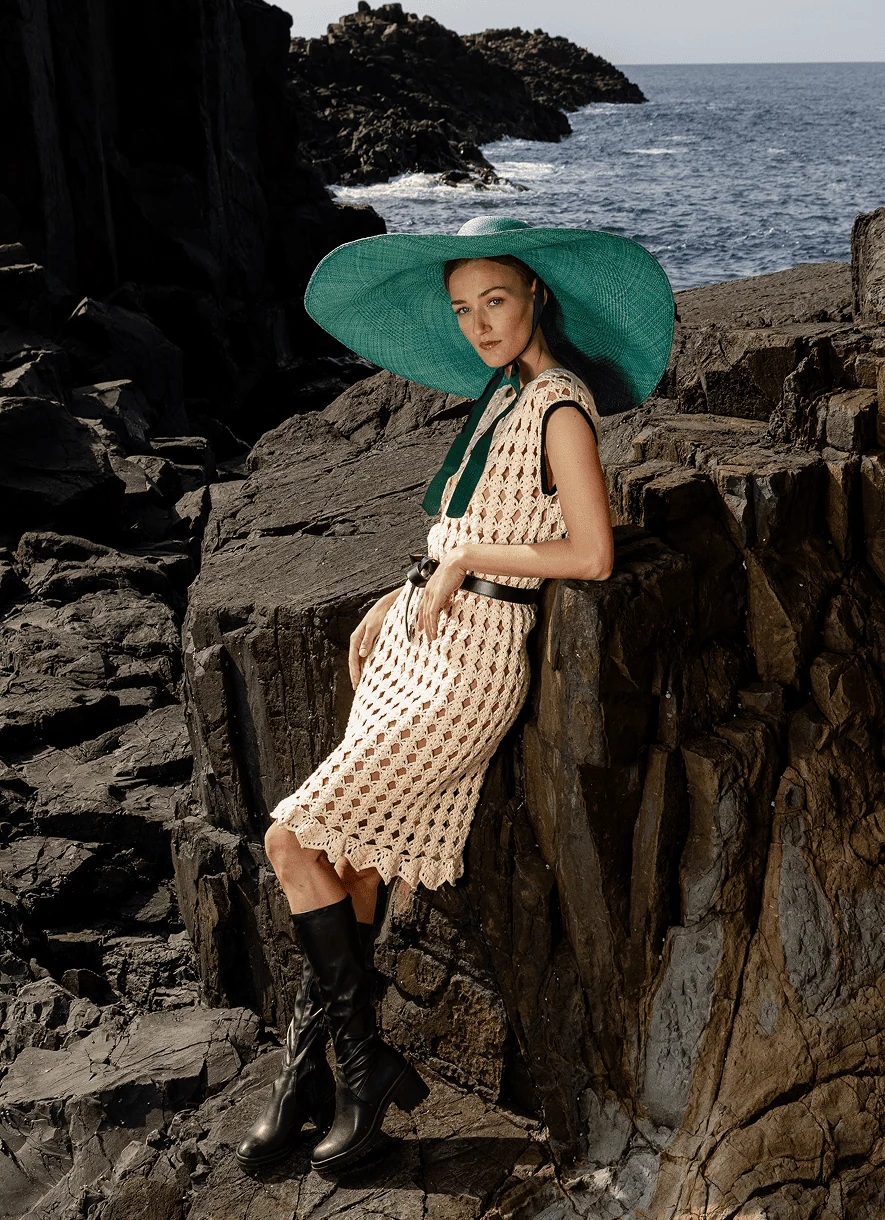
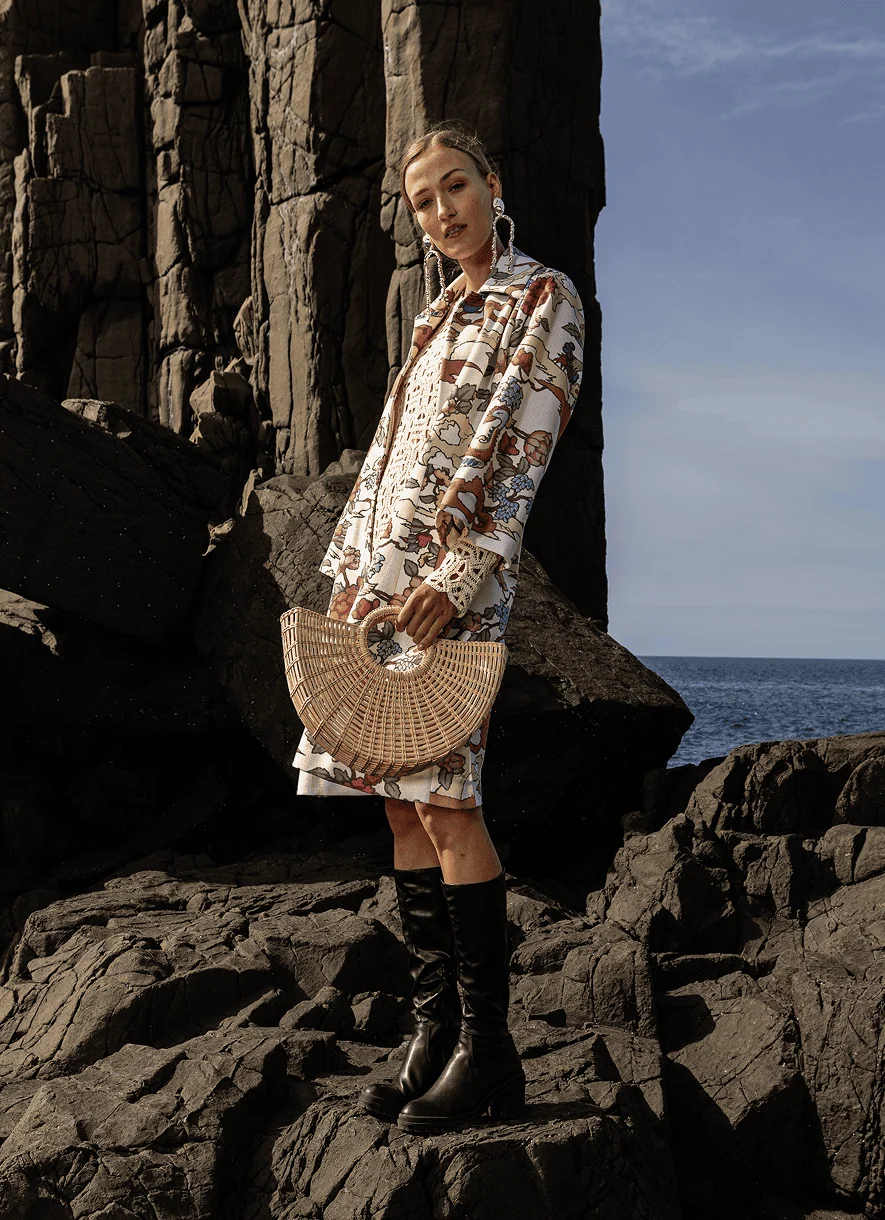
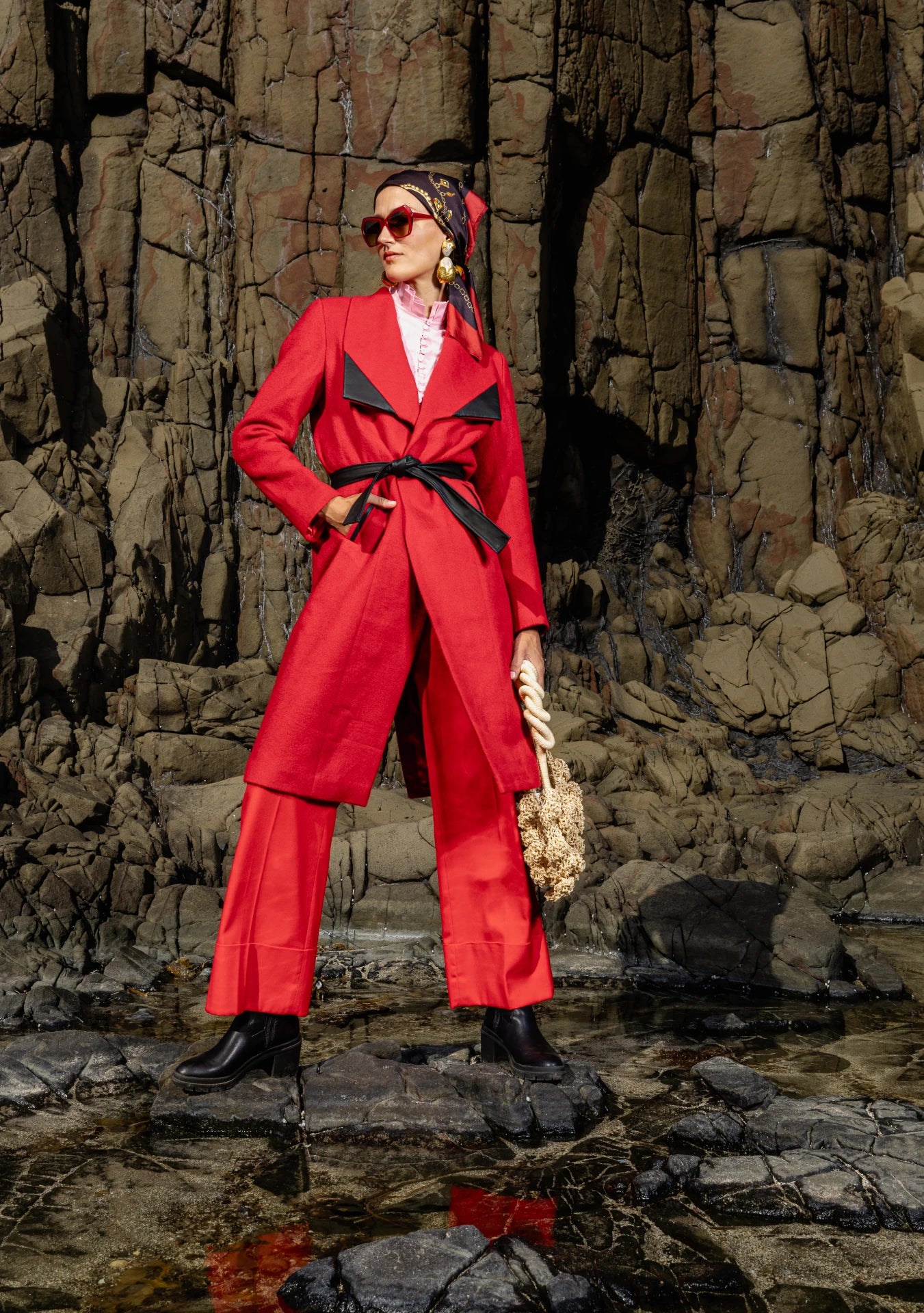
E: I grew up under the guidance of strong women embodied in my grandmother and mother, whose strength was the backbone of our family. My mother dressed with purposeful elegance. She was the first person to show me how to blend elements thoughtfully, whether pairing a tailored military style jacket or a self made oversized coat with sleek stilettos, or carrying an artisan toquilla straw clutch with a satin blouse. In many ways, she offered me my earliest lesson in effortless style.
Much of my childhood was spent in busy fabric stores, watching her navigate patterns and yardage with expert patience. I was amazed at her ability to create beautiful living pieces for us from a piece of fabric. In today’s world of fast fashion, I am grateful for this inherited reverence for things made slowly and intentionally.
While I may lack much of the skill those extraordinary women had, I’ve always been driven by an inner desire to channel that inherited visual language into creating something truly meaningful.
B: Finally, for the women reading this who have a dream tucked away but are afraid to take the leap: what would you tell them? What does it really take to turn a creative vision into a business?
E: Just do it! You only have one life, so embrace what you love and move forward with your dream, one step at a time. I have stopped comparing my path to where I feel I ought to be or to what others are doing, choosing instead to concentrate entirely on my personal goals and progress.
Whatever limitations, whether perceived or otherwise, do not have to stand in the way of realising your creative ambitions; you can constantly learn and grow along the way. Life feels lighter when we stop rushing ourselves.