
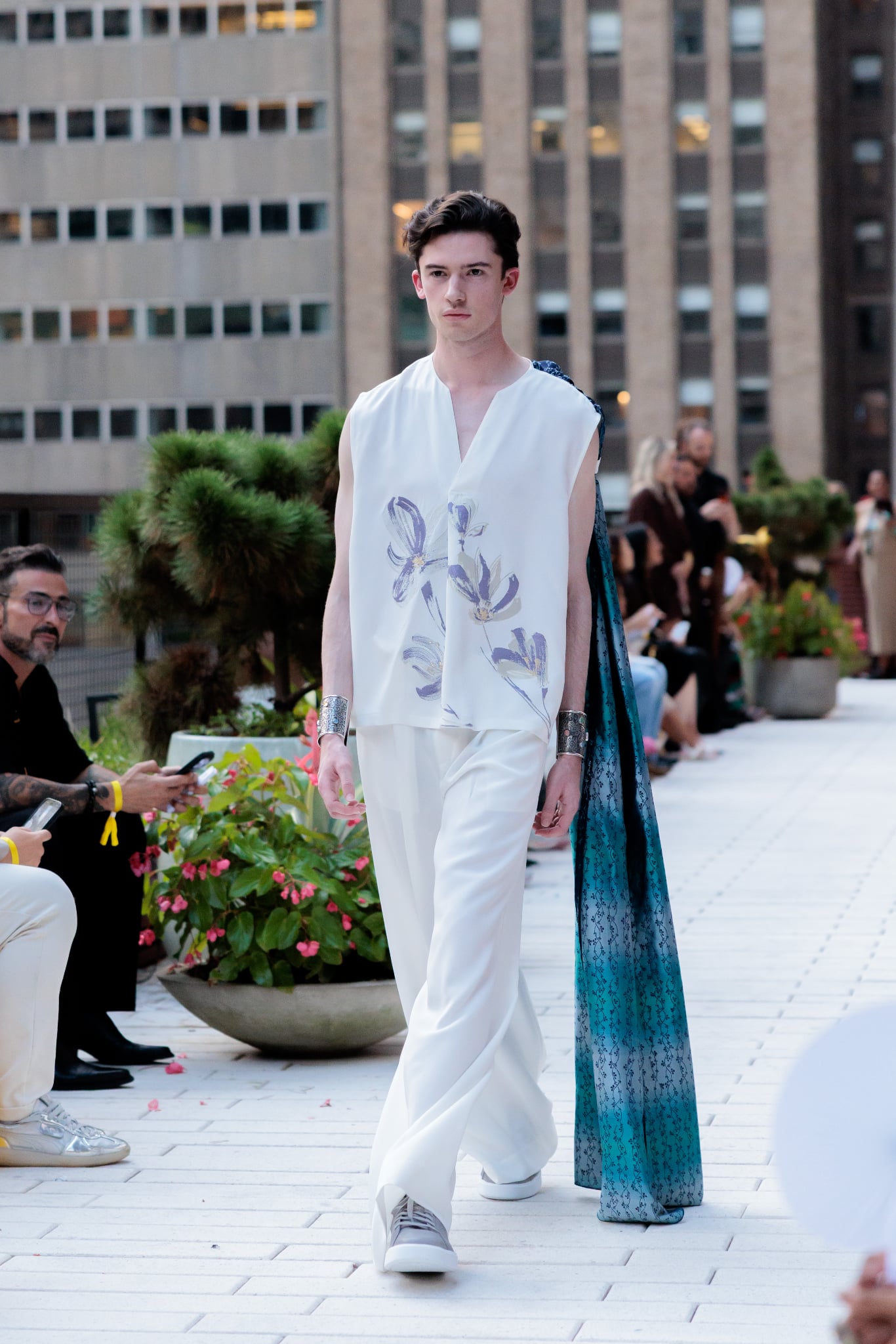
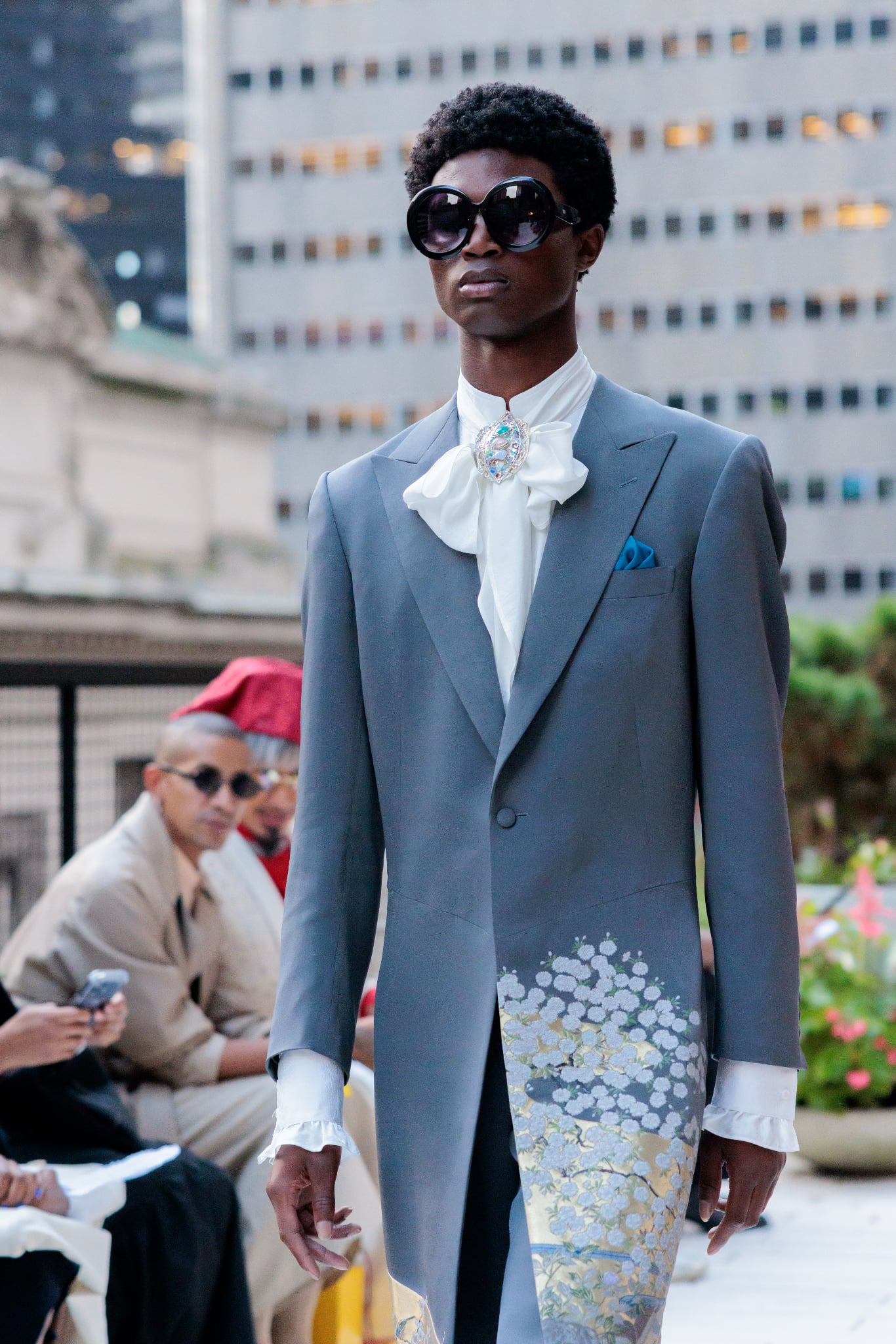
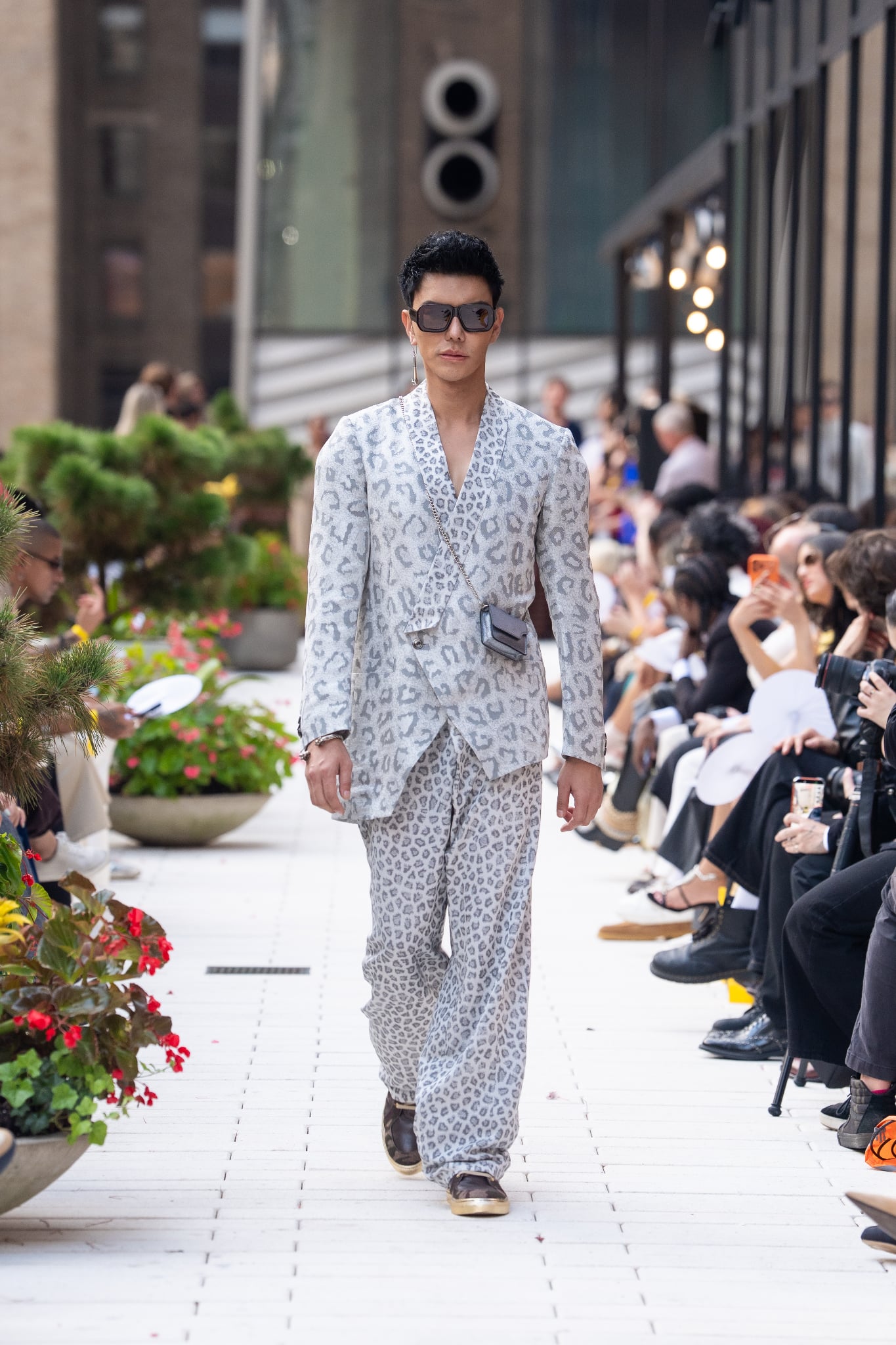
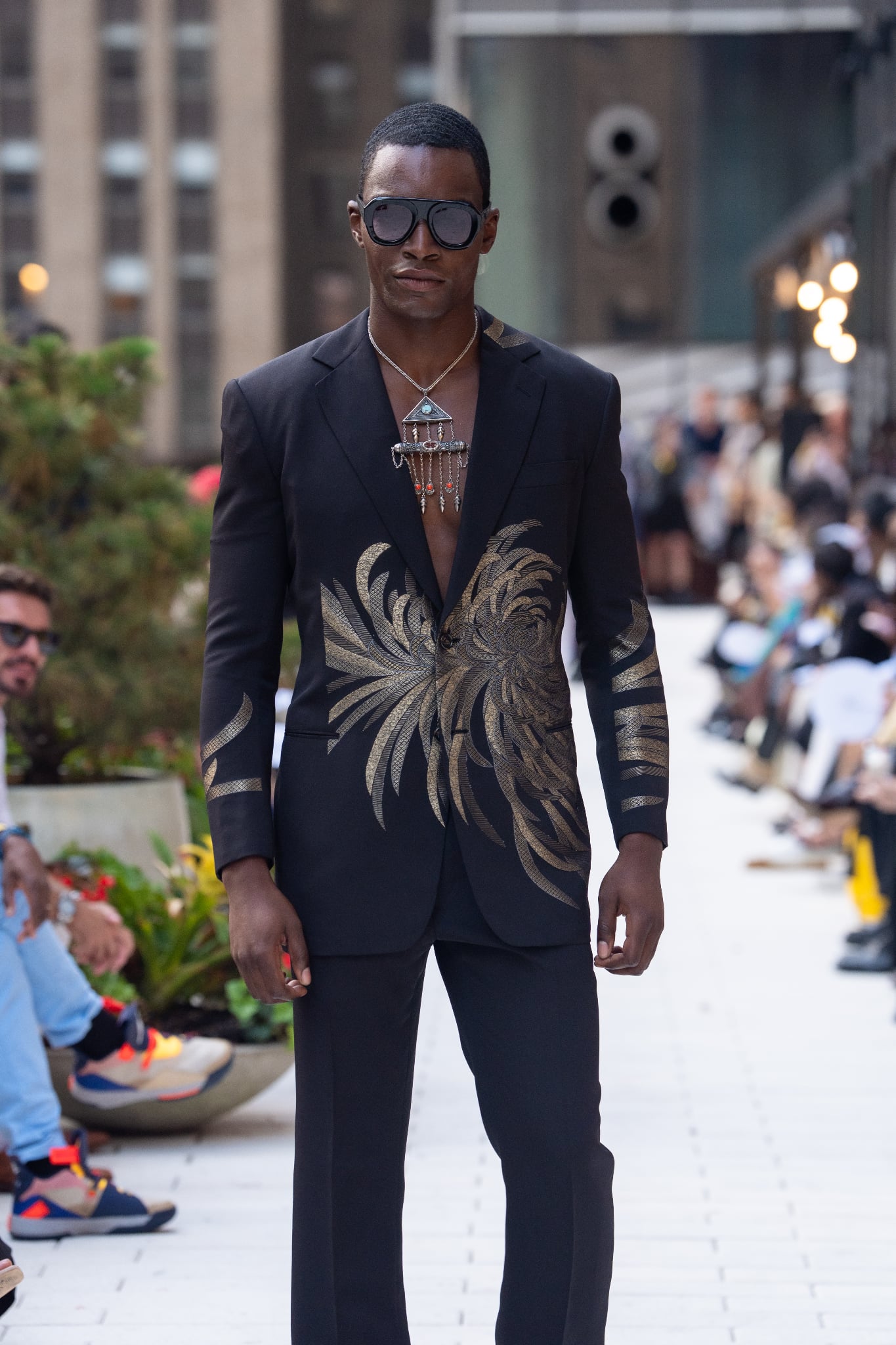
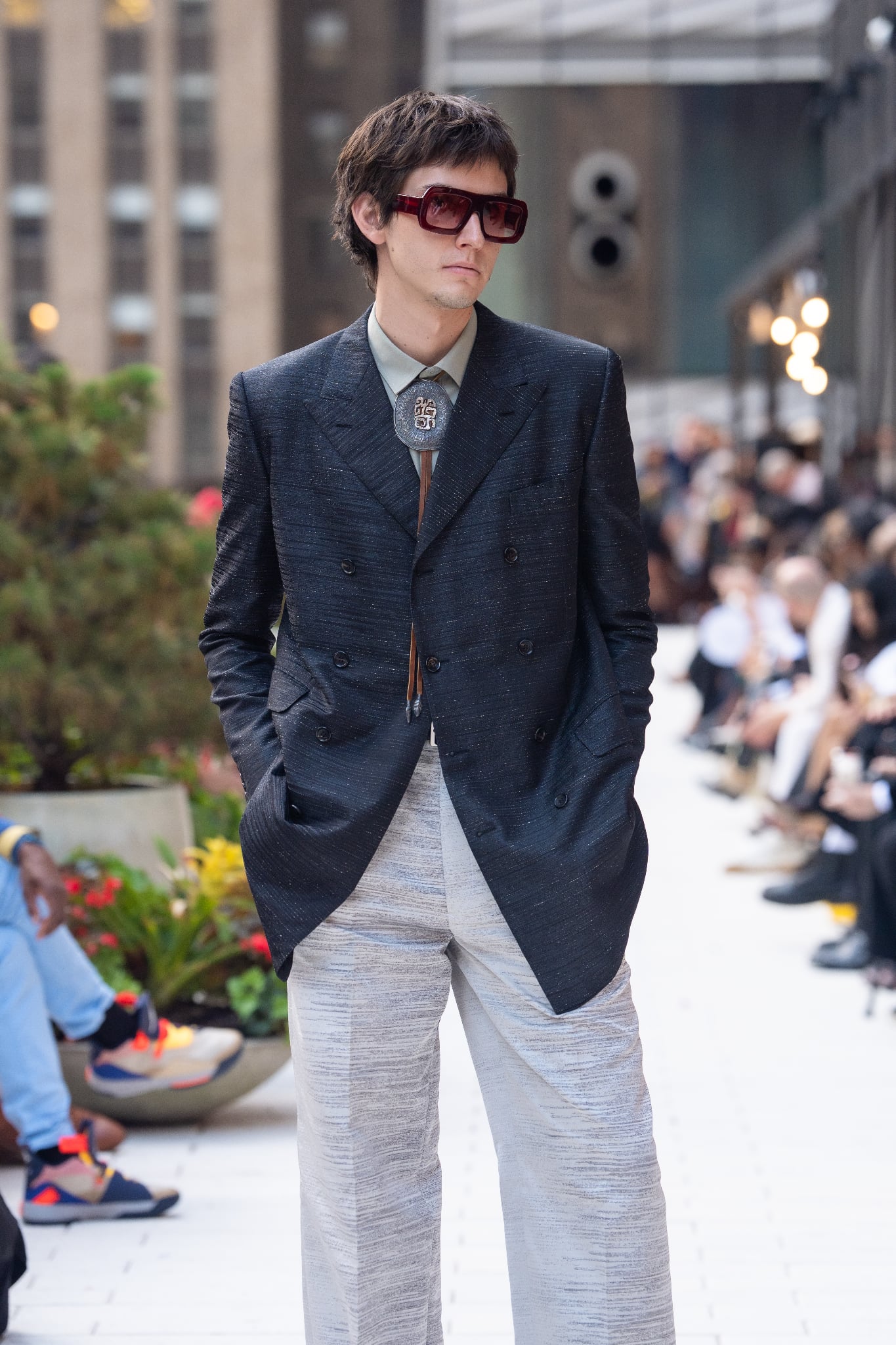
Full body shots: ALEX CALLEJO @ac_photography_chicago
For SS27, the designer brings the artistry of kimono textiles into a wardrobe that feels distinctly modern, proving tradition can evolve without losing its soul.
What if the future of menswear isn’t about leaving tradition behind, but finding a new way to wear it?
That question sits at the center of HIROMI ASAI’s Spring/Summer 2027 collection, “Akatsuki: Before the Dawn.”Presented during New York Fashion Week, the collection brings together two worlds that don’t always get to share the same conversation: the centuries-old craftsmanship of Japanese kimono textiles and the clean, contemporary language of modern menswear.
The result feels less like a reproduction of tradition and more like its next chapter.
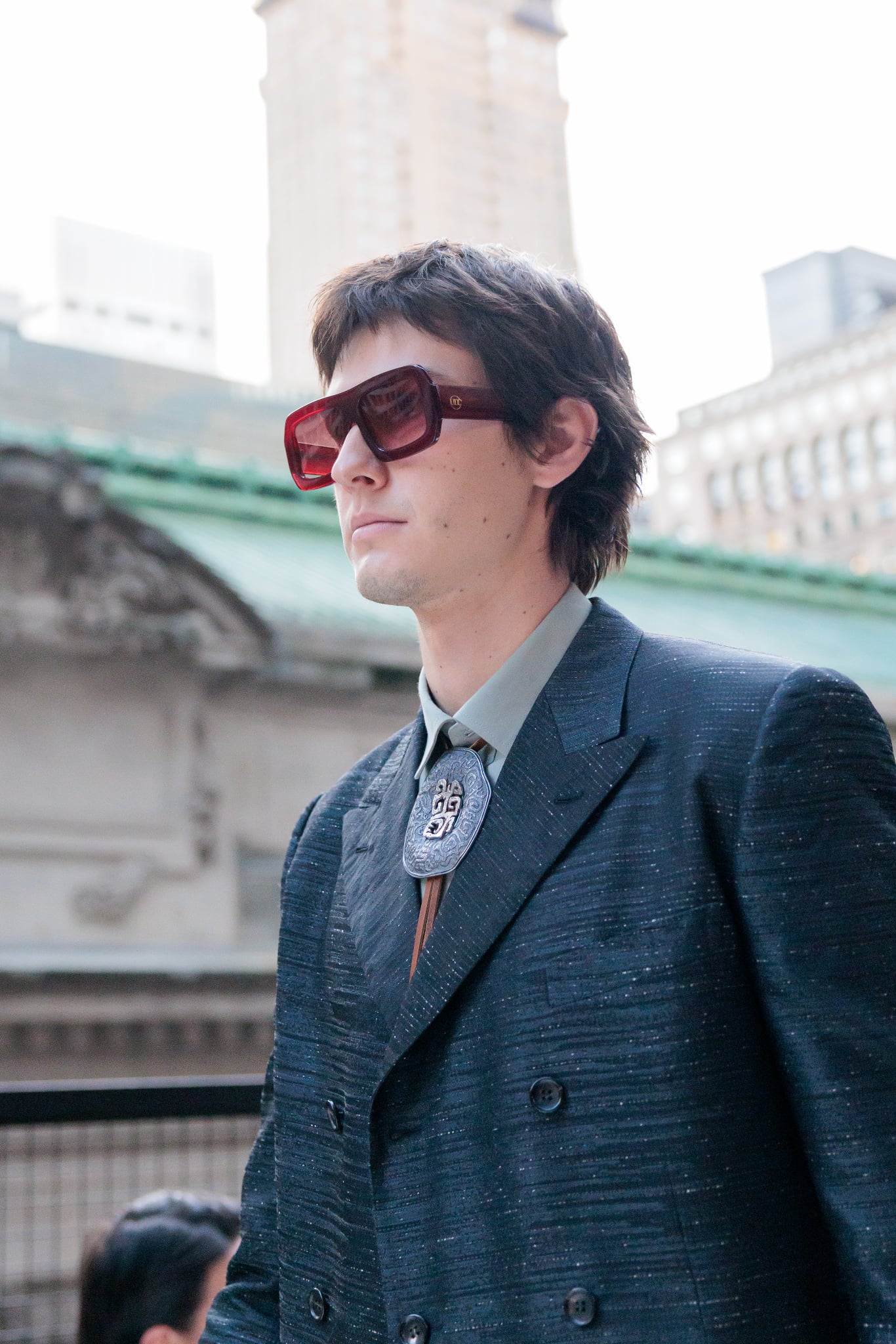
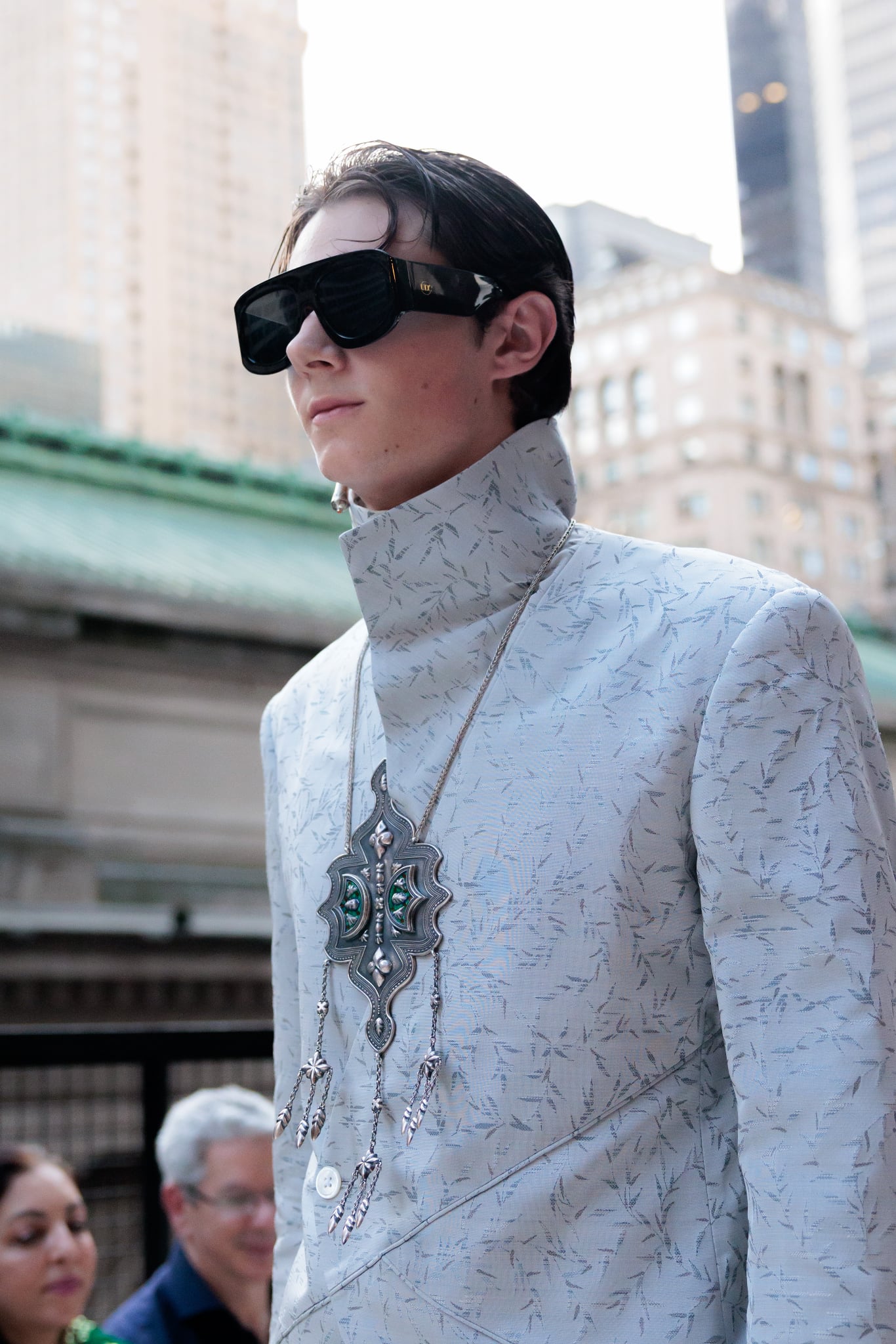
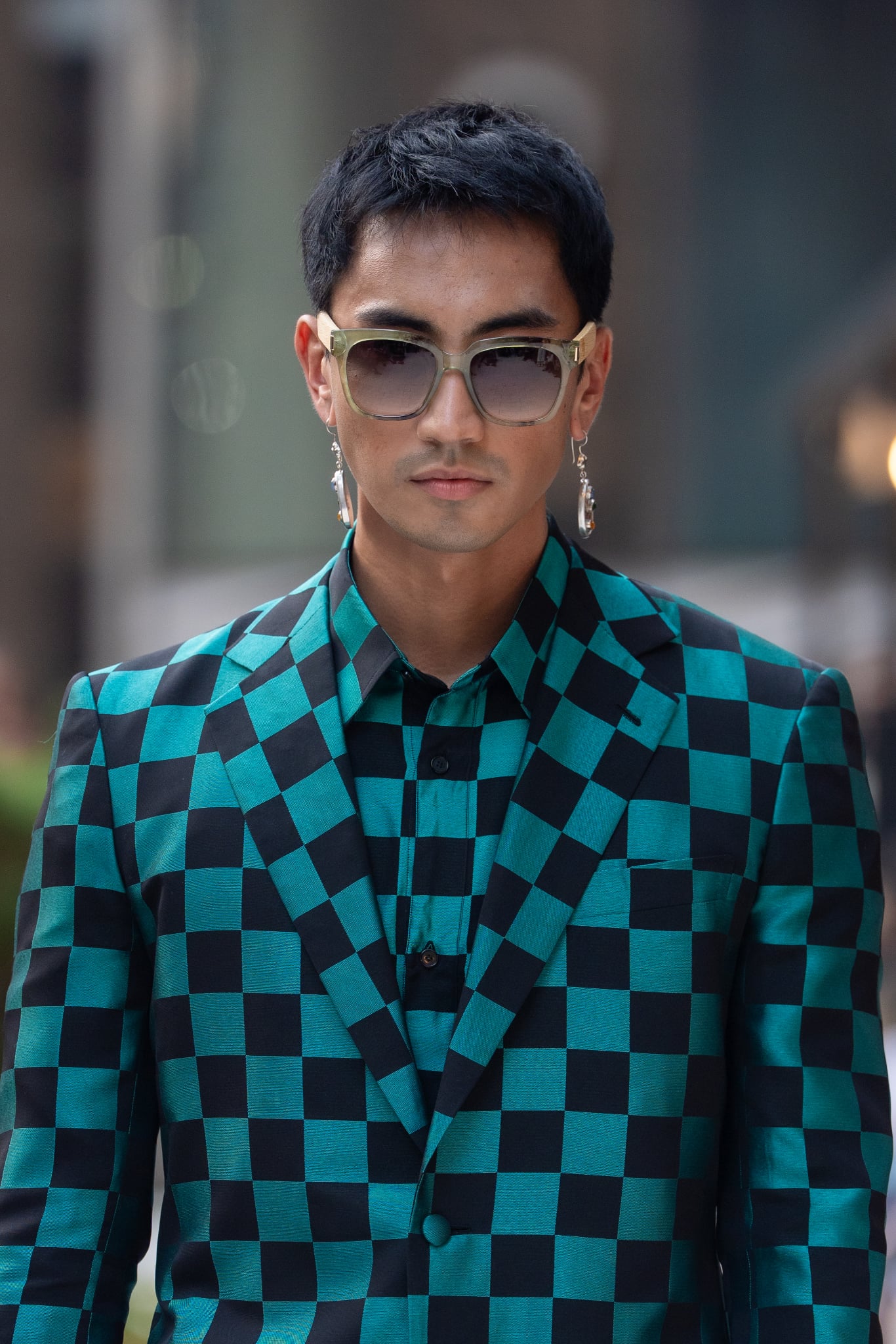
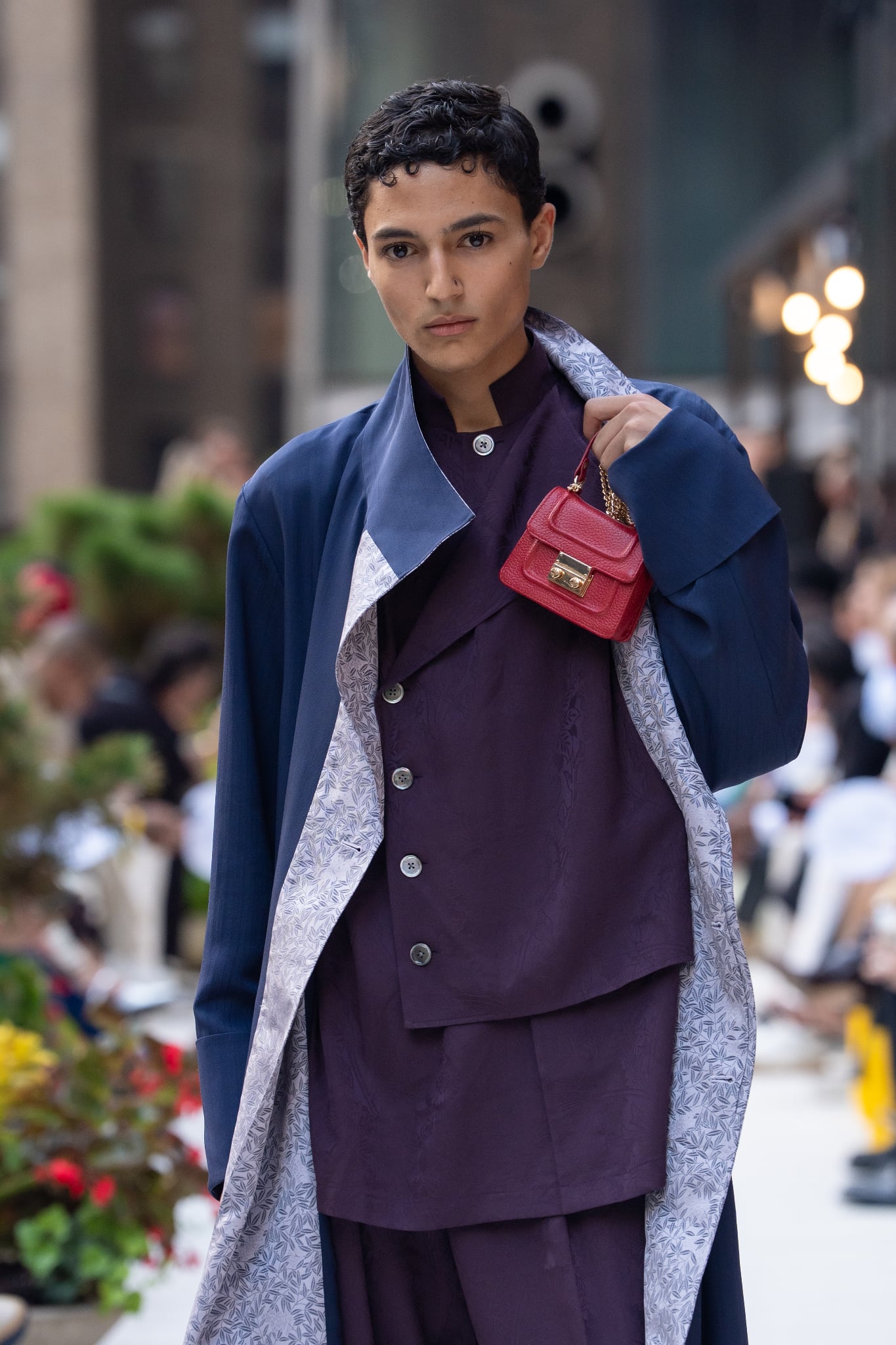
Closeups: Photographers: ALEXANDER RAUE @glass_and_grain_photography
The Kimono, Reimagined
Since 2017, designer Hiromi Asai has worked directly with Japanese kimono artisans, building a design language around the extraordinary textiles traditionally associated with the garment.
For Akatsuki, that relationship continues in Tango, one of Japan’s historic silk-weaving regions. New fabrics were developed specifically for the collection, many using nuitori, a traditional technique that incorporates decorative threads into the textile to create richly textured patterns.
But instead of placing these fabrics inside traditional kimono silhouettes, Asai gives them an entirely different life.
They become modern menswear.
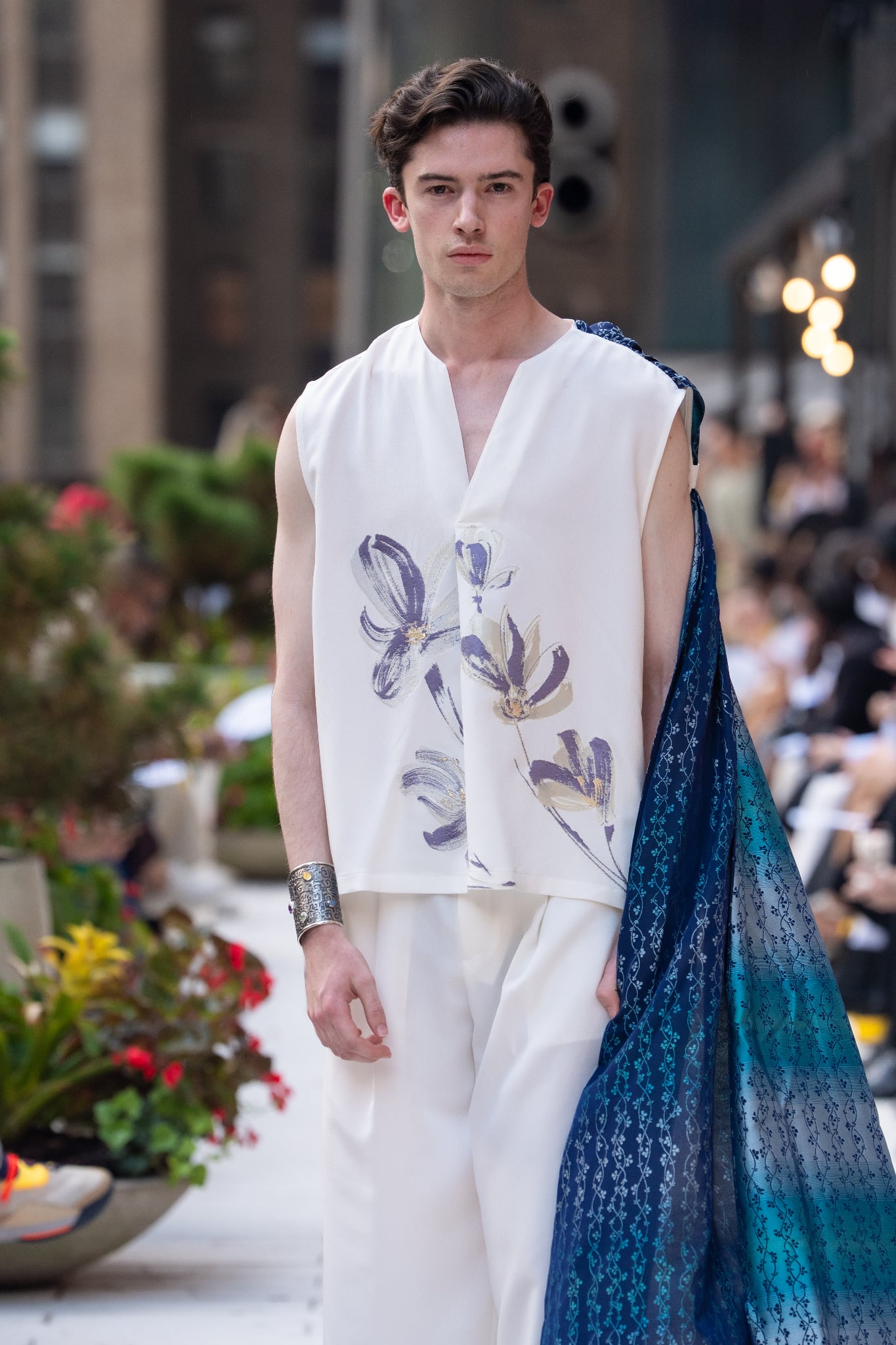
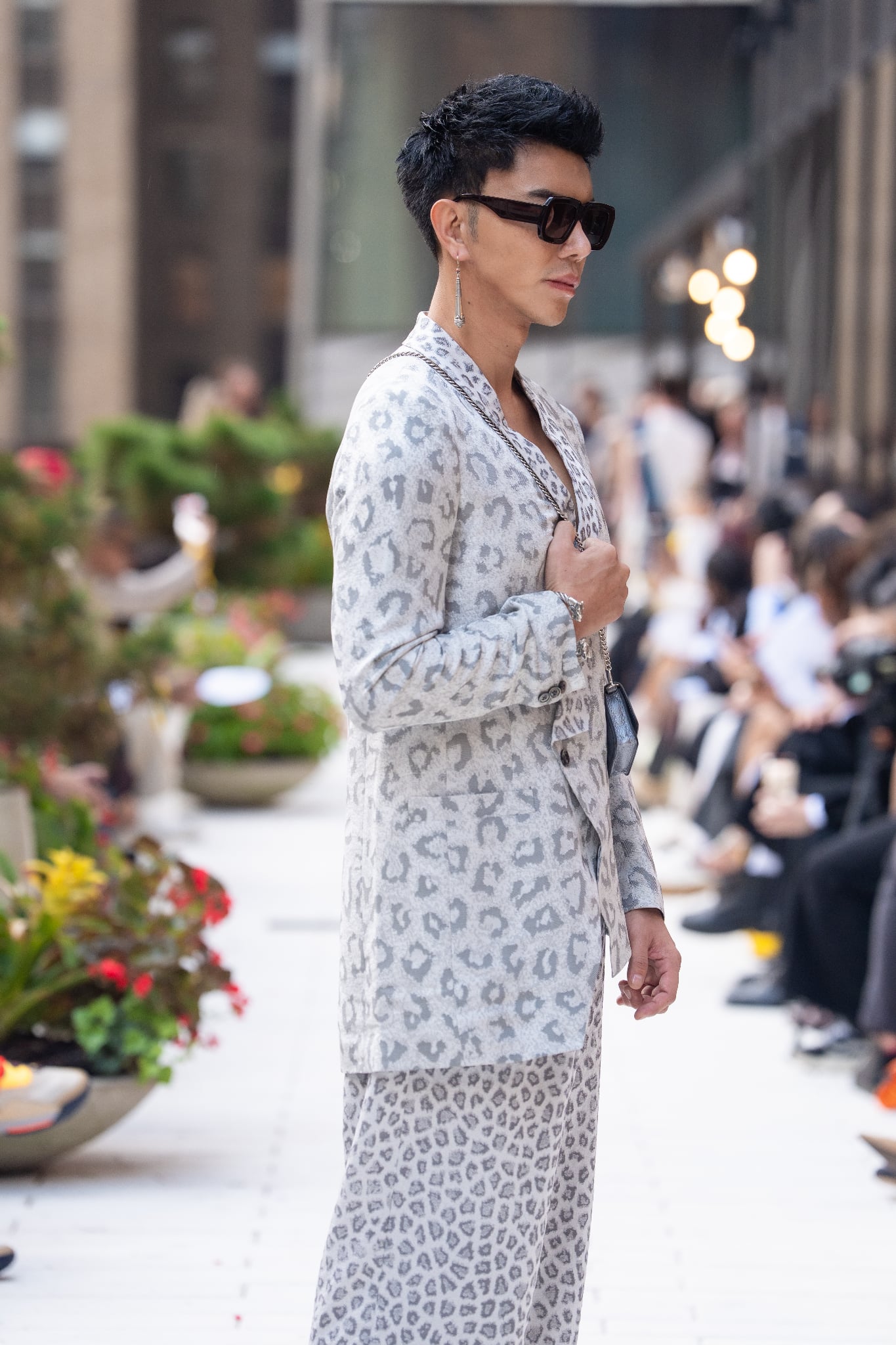
When Craftsmanship Becomes the Statement
The collection moves through deep navy, charcoal and earthy shades before arriving at softer whites and luminous neutrals.
Along the way, the textiles tell their own story. Panther patterns sit alongside graphic checks and traditional auspicious motifs, creating an unexpected mix of the familiar and the contemporary.
There is something particularly refreshing about seeing menswear treated with this level of textile artistry.
The fabric isn’t decoration. The fabric is the fashion.
A Different Kind of Luxury
In an industry that increasingly moves at an accelerated pace, Asai’s work feels almost radical in its patience.
Working with artisans and traditional techniques means the process itself becomes part of the value. Nuitori isn’t something that can simply be replicated by adding another graphic to a garment. It carries the handwork, history and knowledge of the people who make it.
That makes Akatsuki feel connected to a larger conversation happening in fashion right now: what does luxury mean when we care not only about how something looks, but where it comes from and how it was made?
From Tokyo’s Traditions to the Global Runway
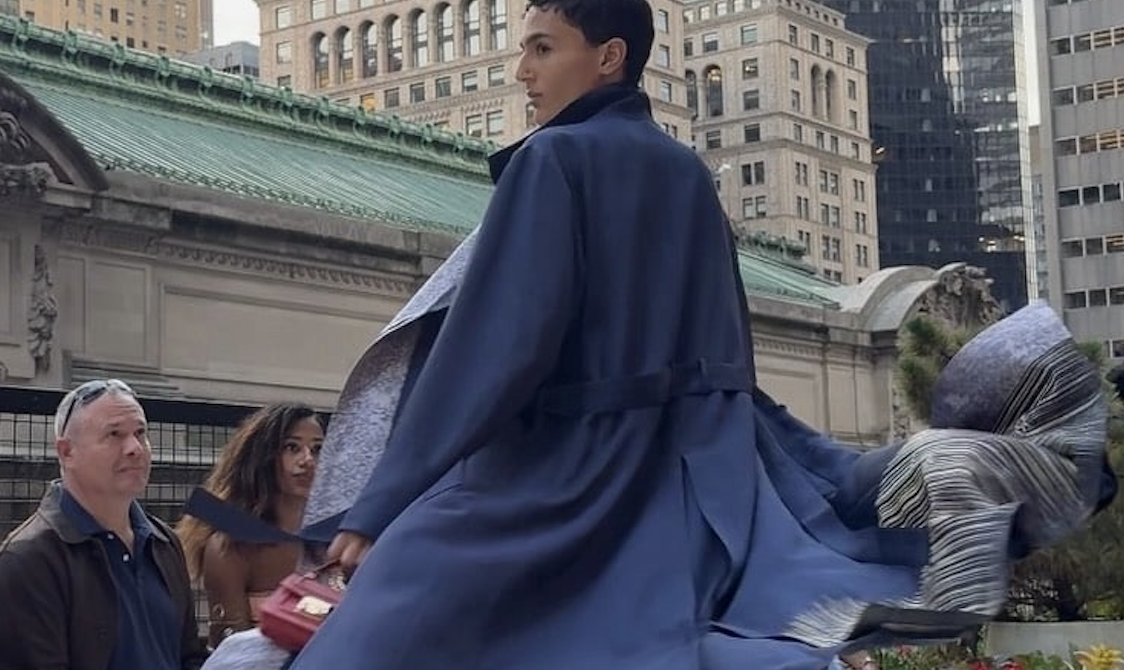
Asai’s vision doesn’t stop in New York. Following NYFW, the collection will travel to Paris on October 7 and Los Angeles on October 9, bringing Japanese textile craftsmanship to three of fashion’s major stages.
It’s a fitting journey for a collection built around transformation.
Akatsuki takes something deeply rooted in Japanese history and refuses to leave it there. Instead, it asks what happens when that history moves forward.
Maybe the future of fashion isn’t about forgetting where we came from. Maybe it’s about making sure the things worth preserving still have somewhere new to go.