
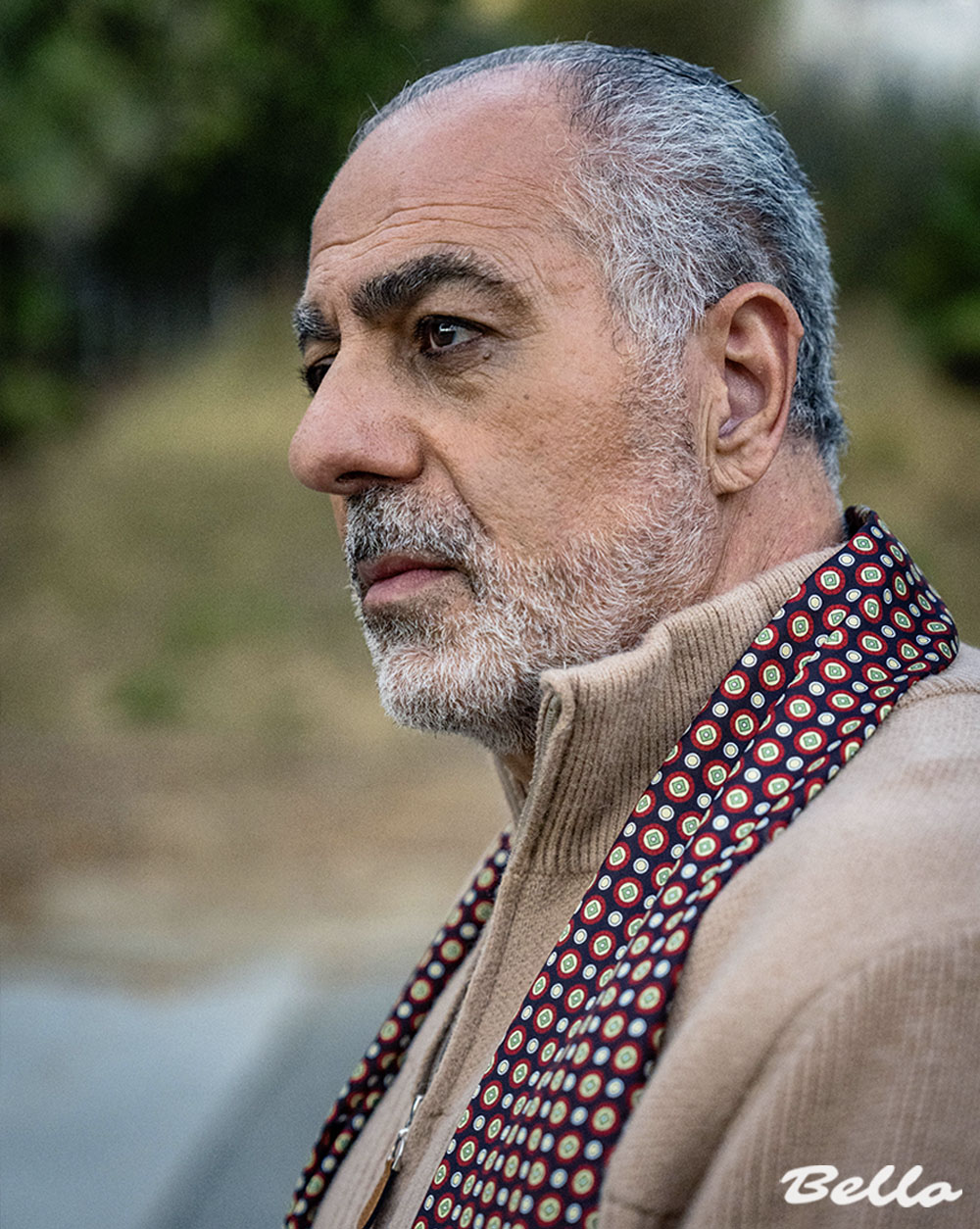
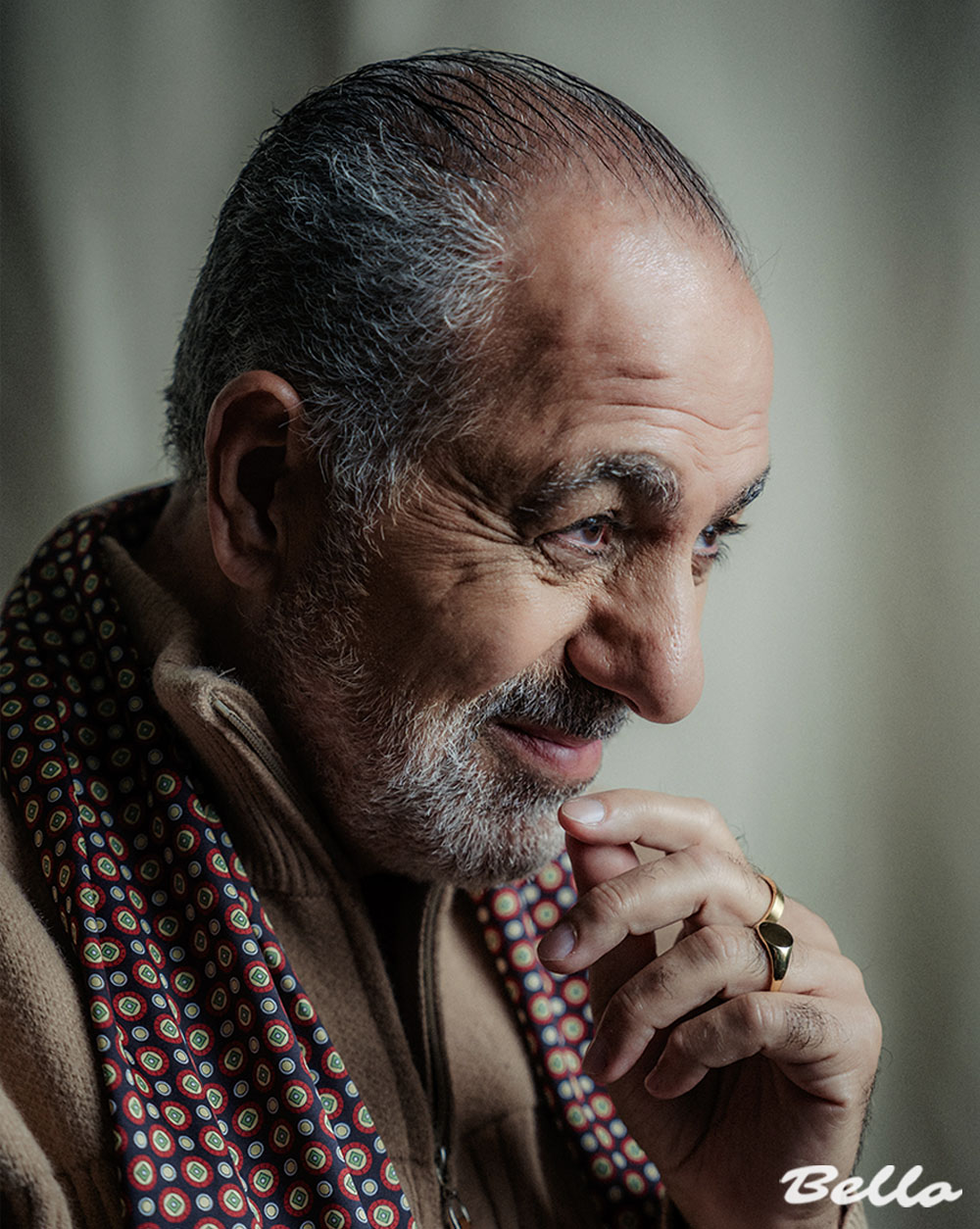
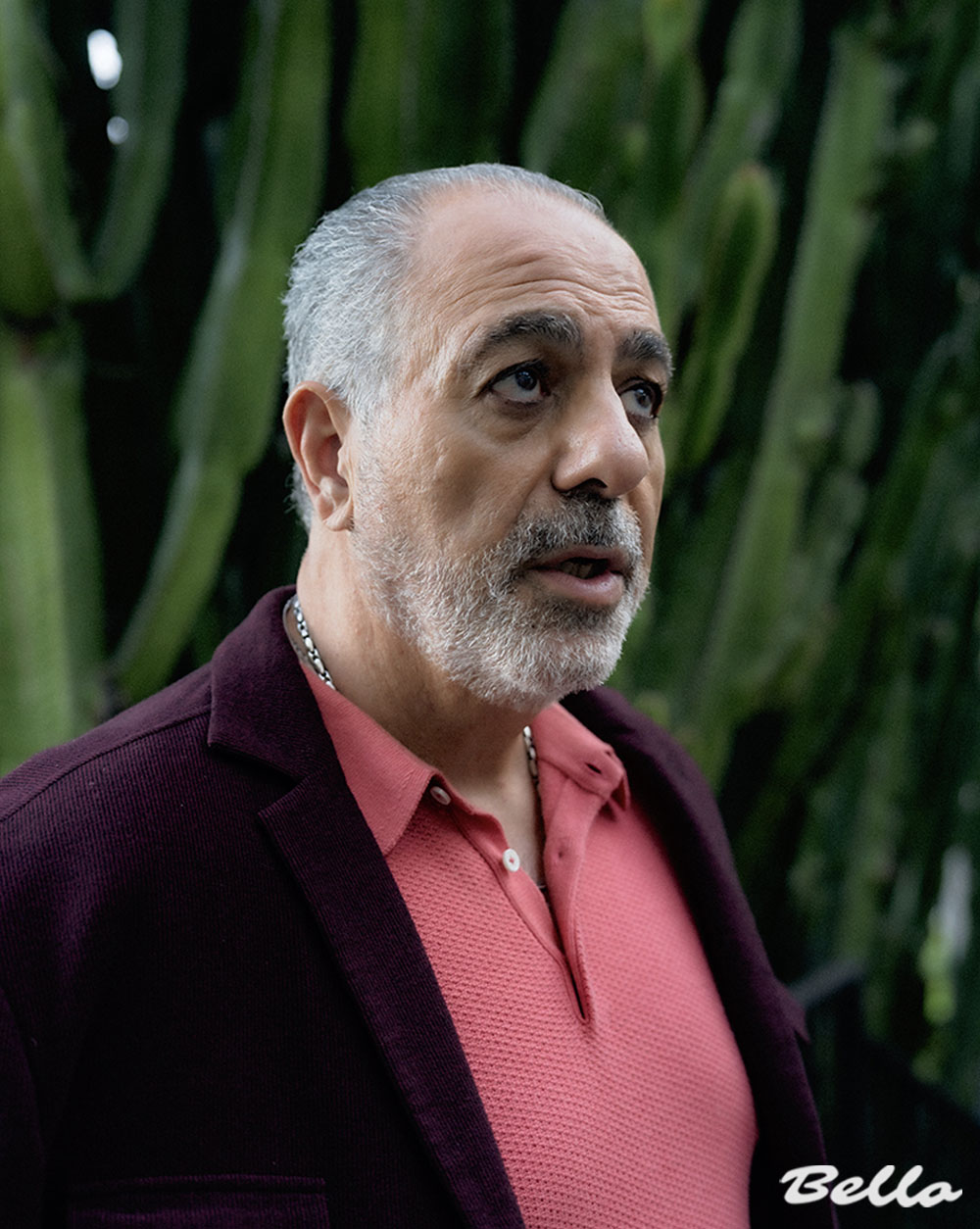
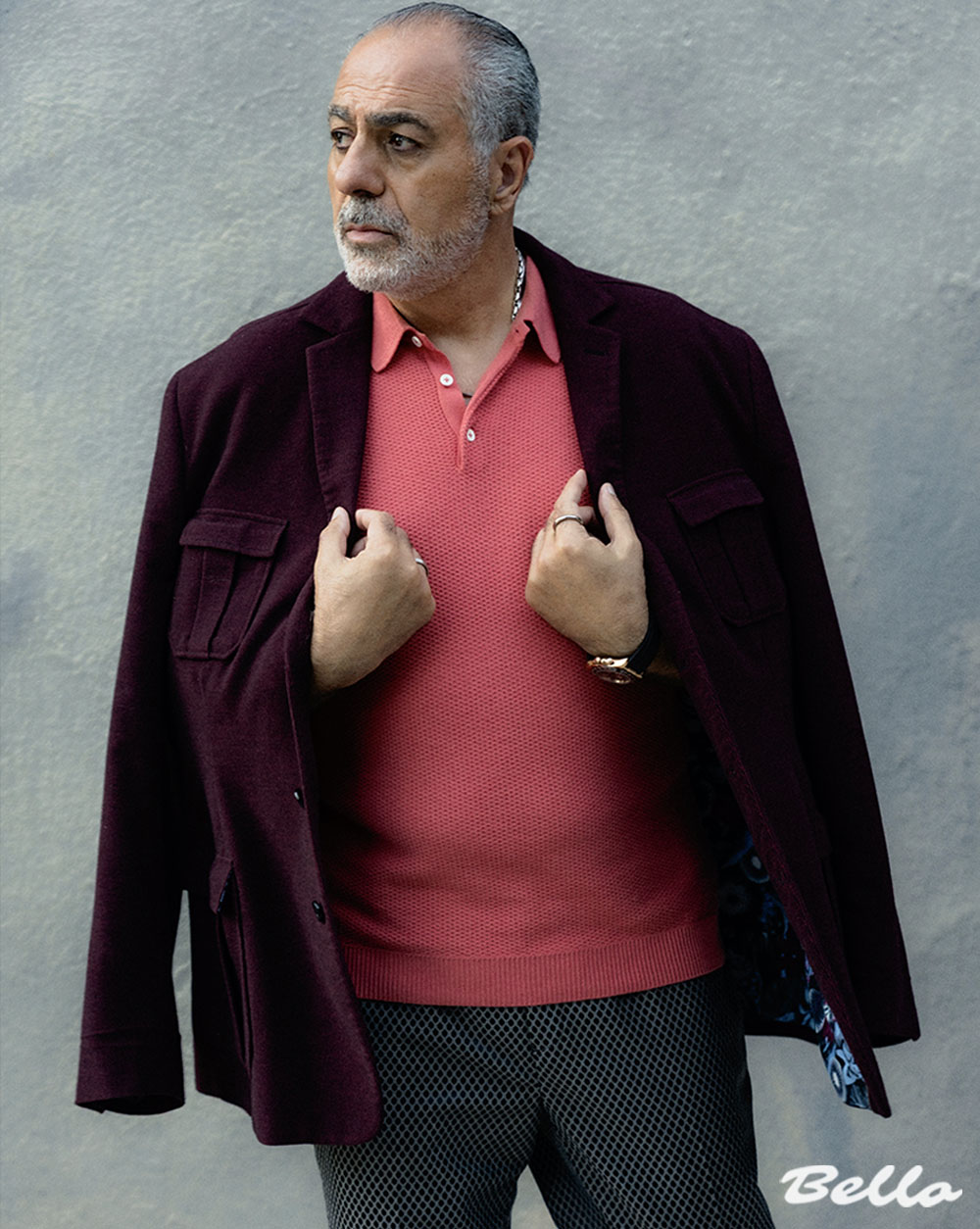
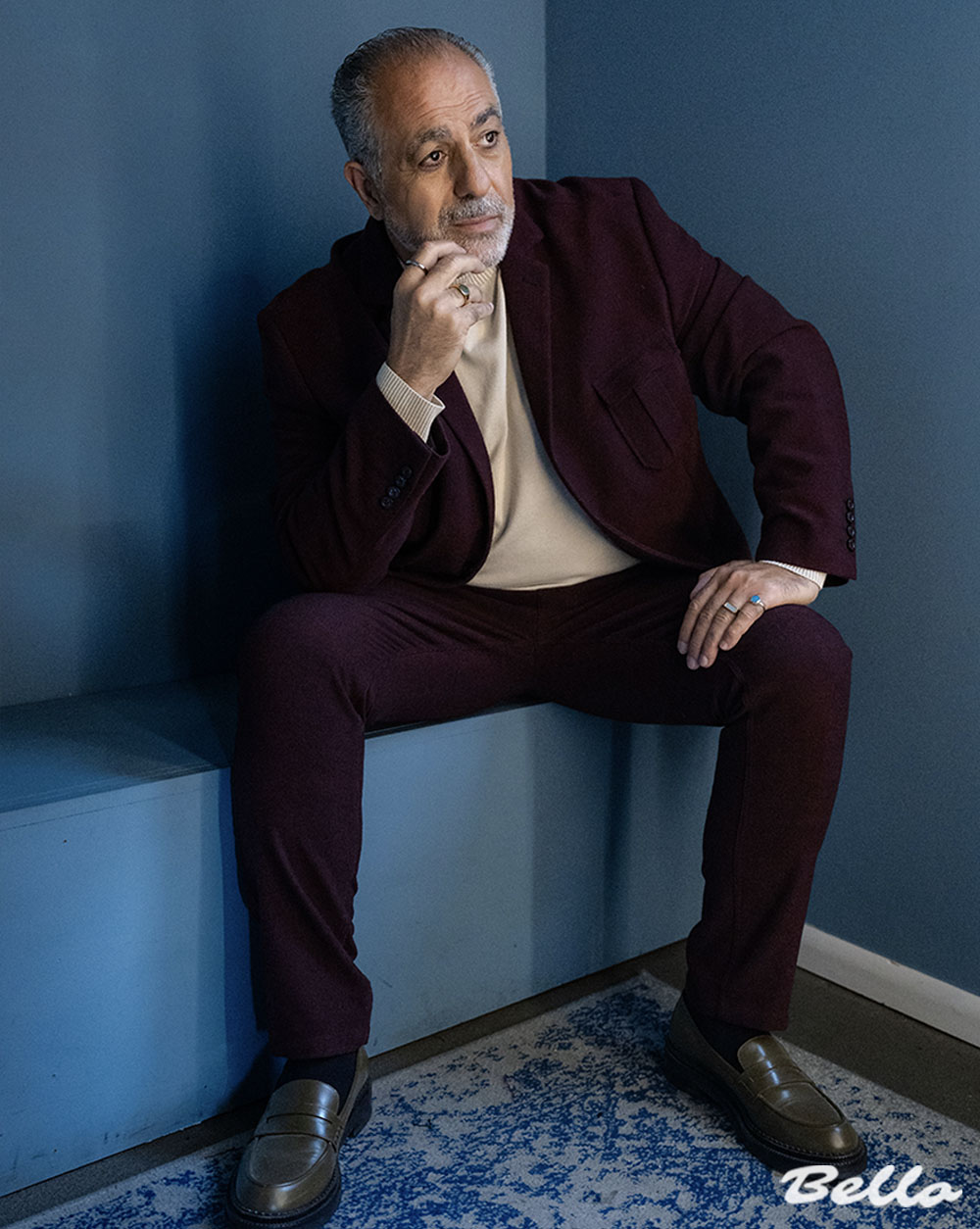
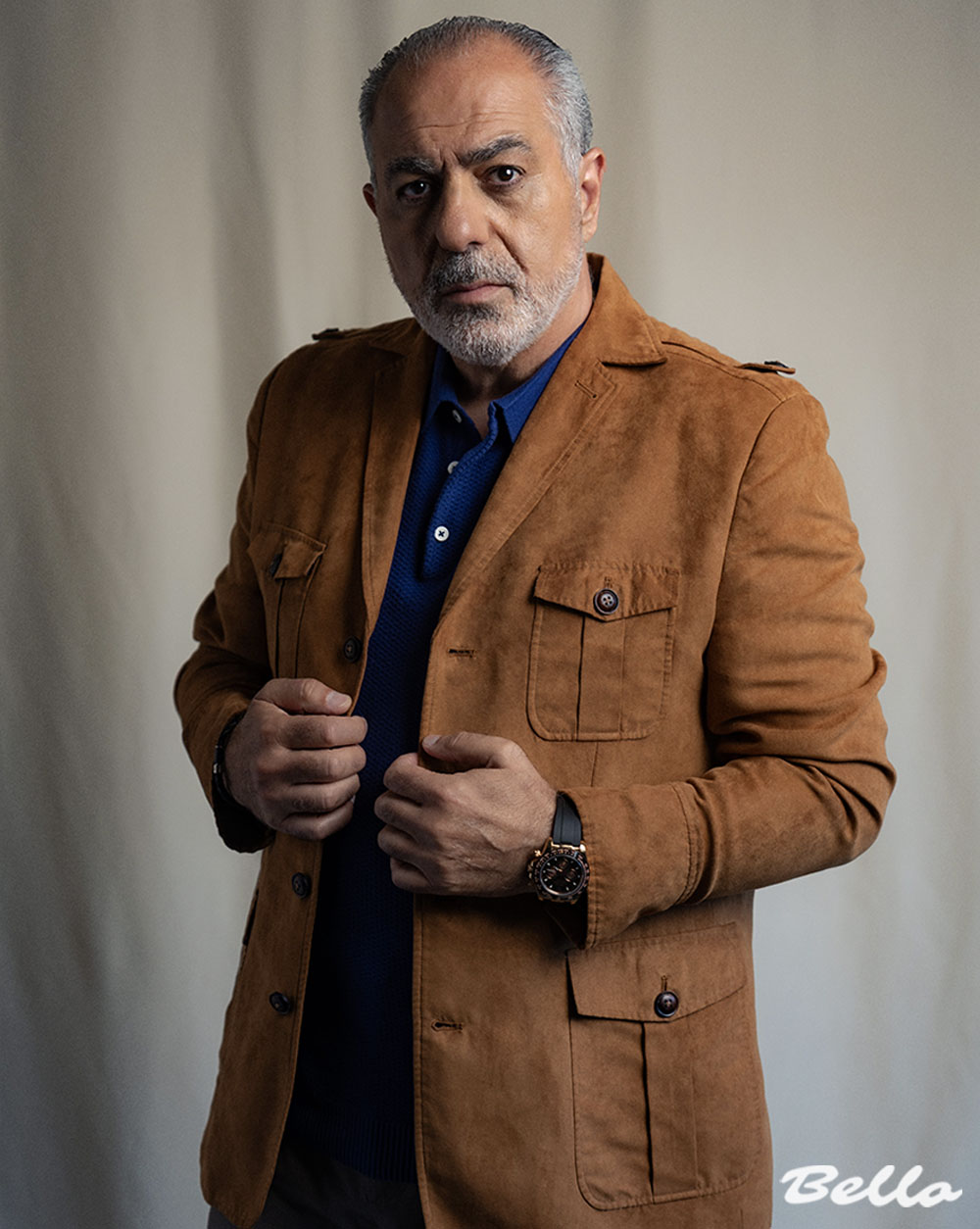
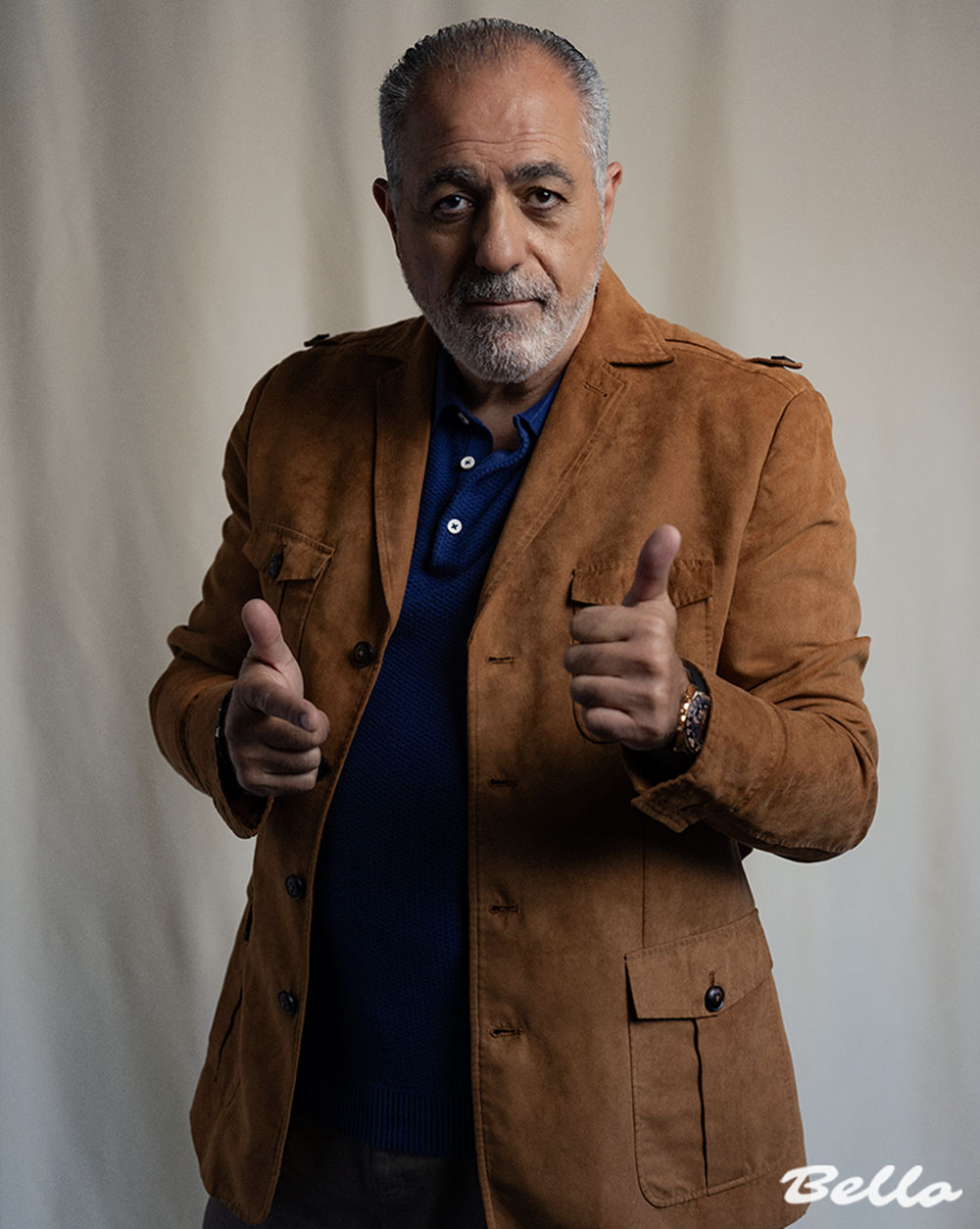
TEAM
PUBLISHER: Aleksandar Tomovic @alekandsteph
PRODUCTION: + Location: @maisonpriveepr_la x @bellomediagroup
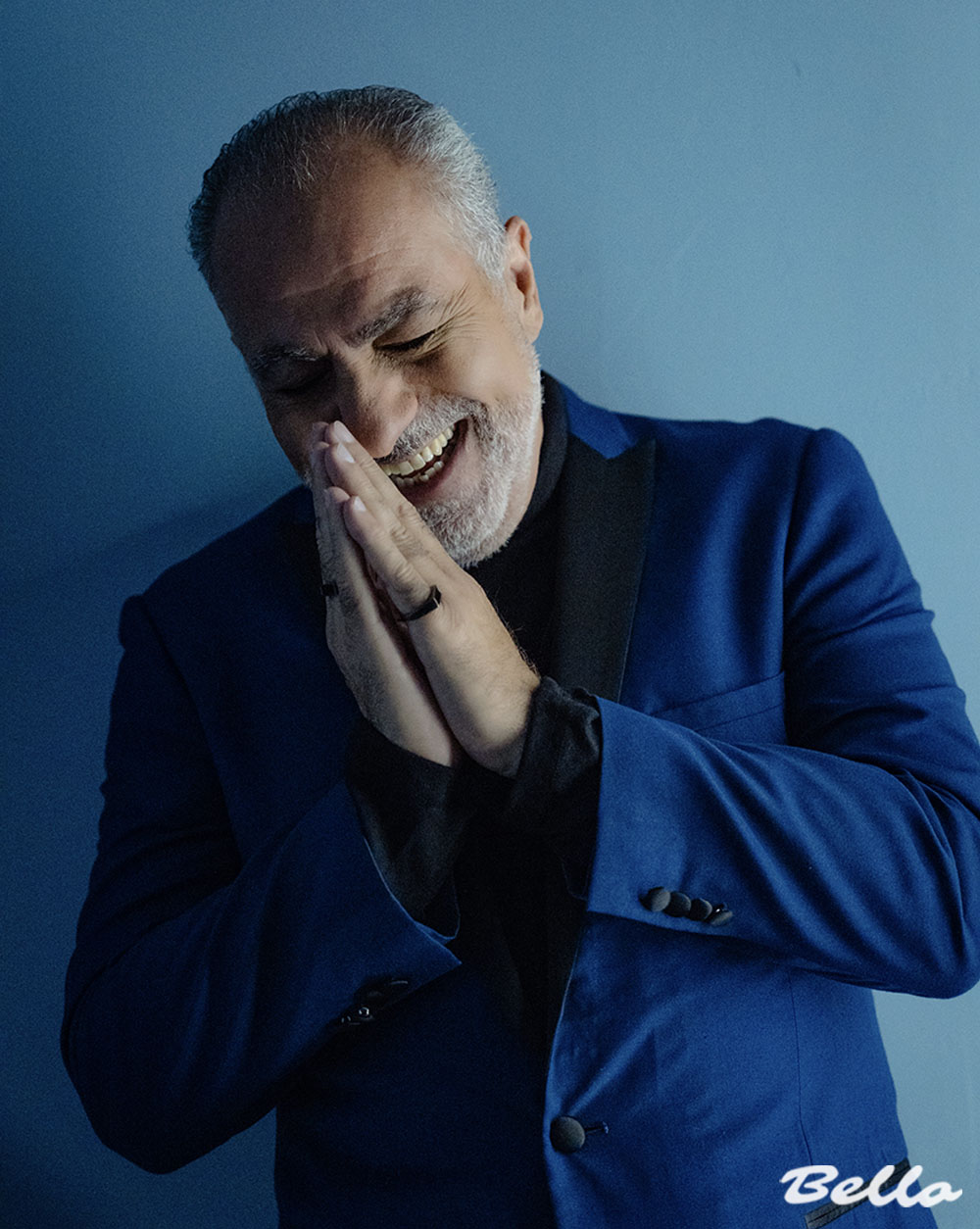
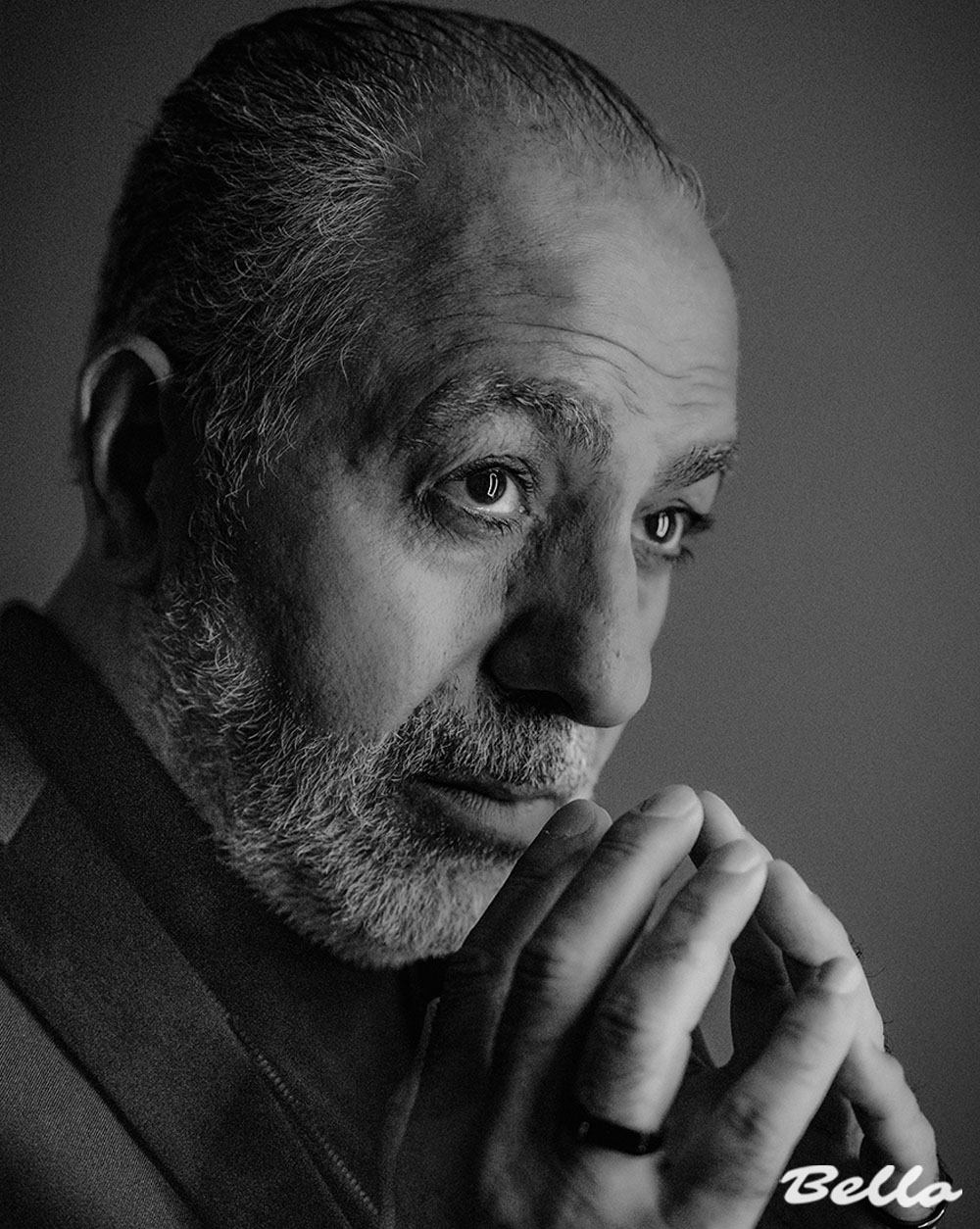
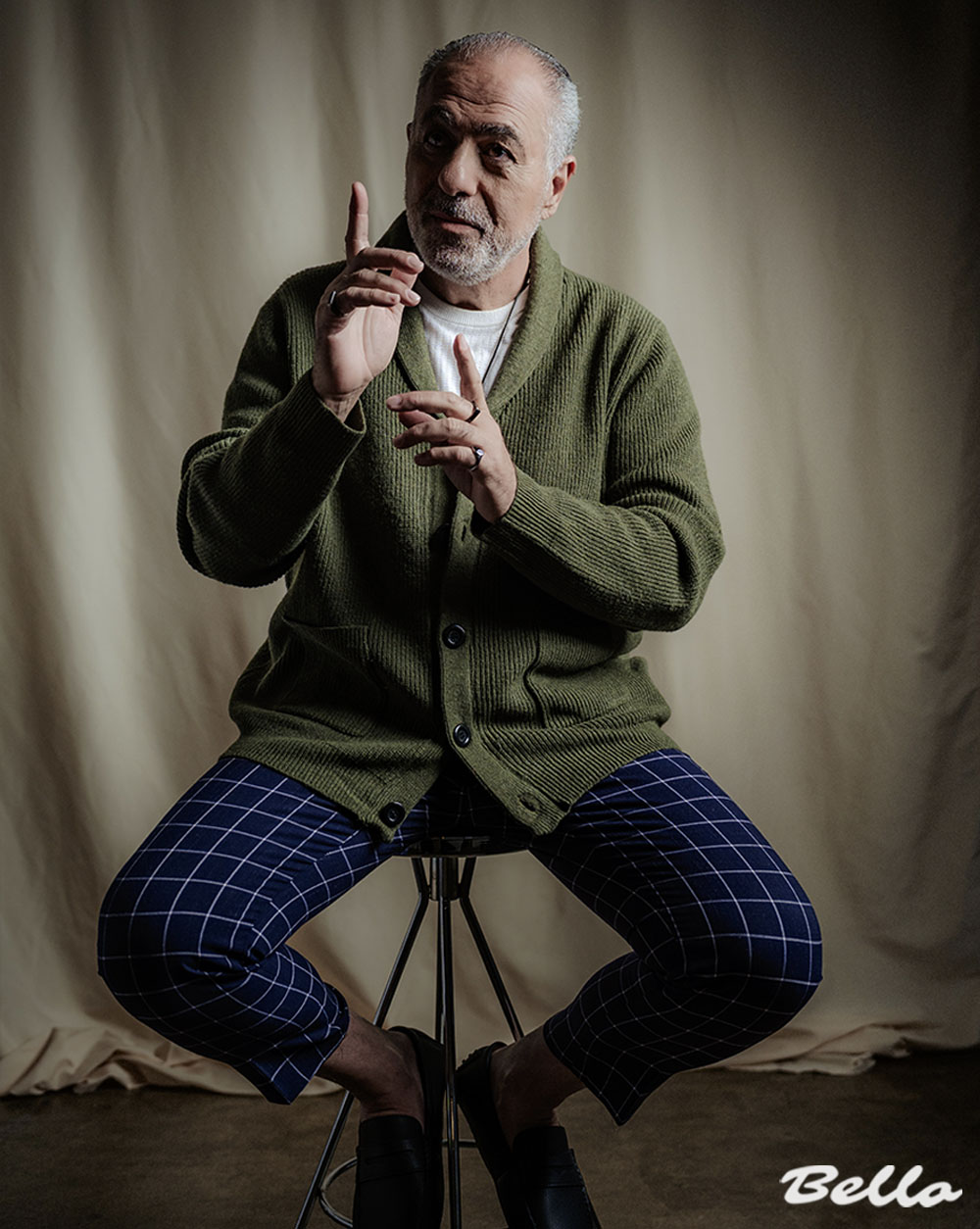
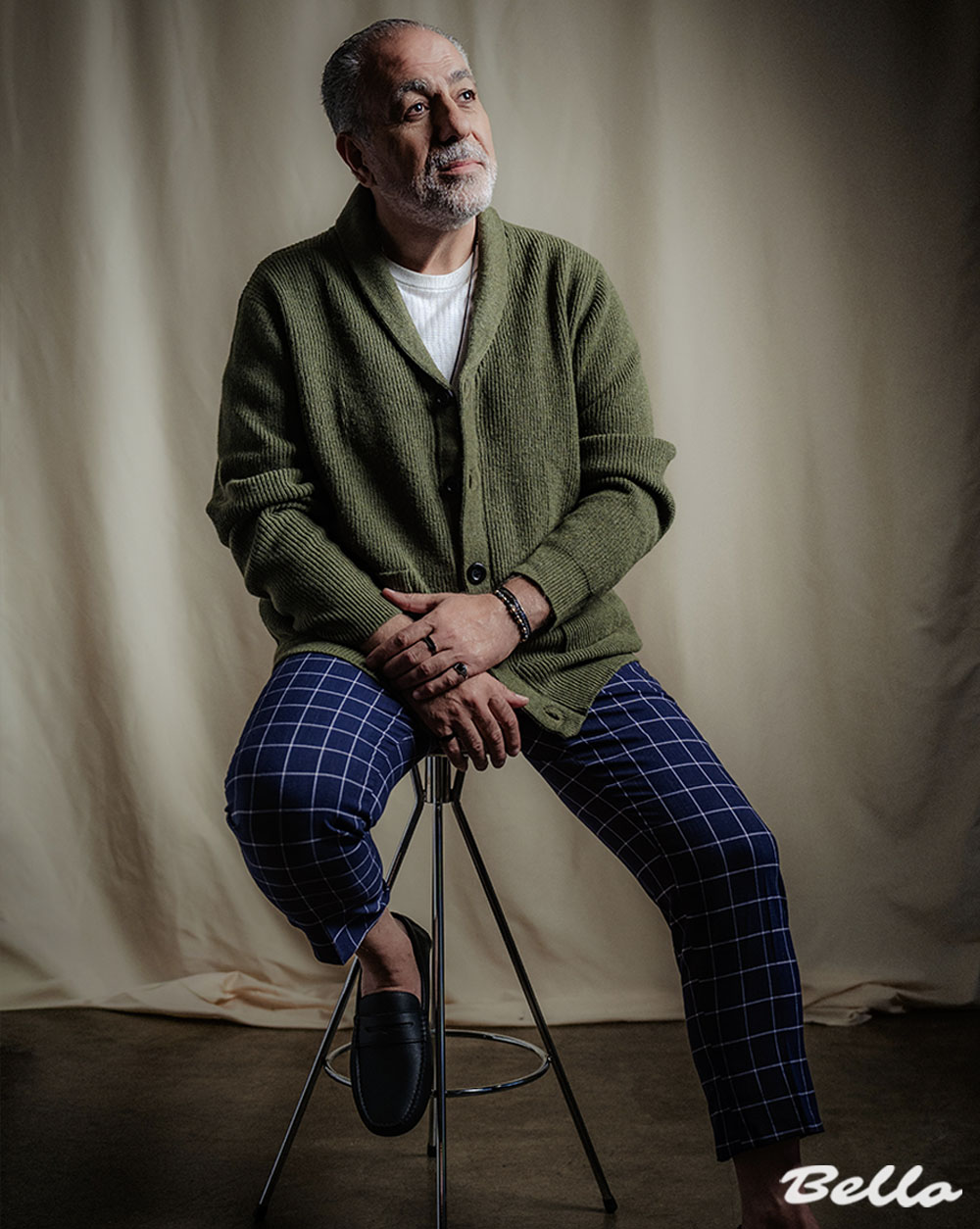
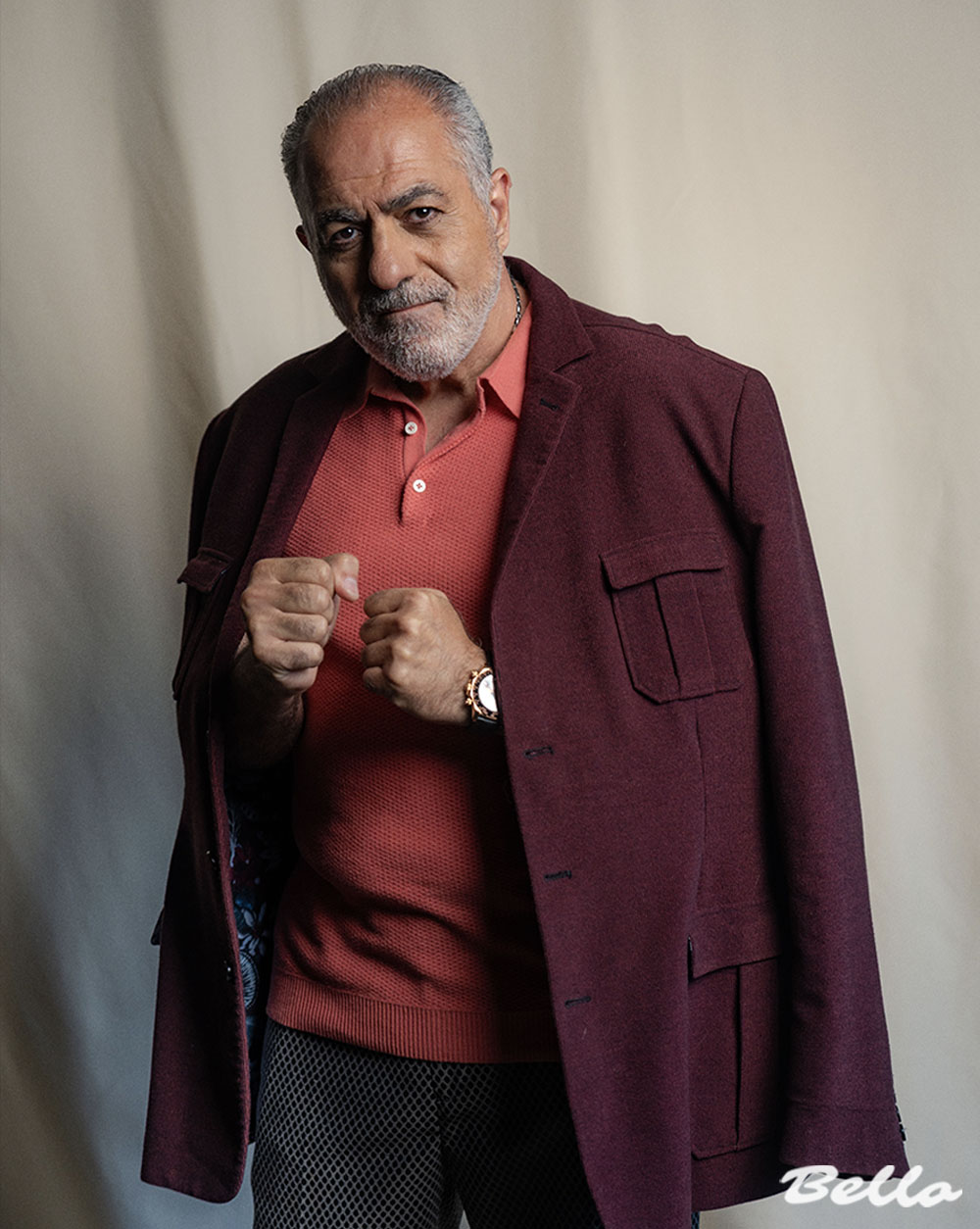
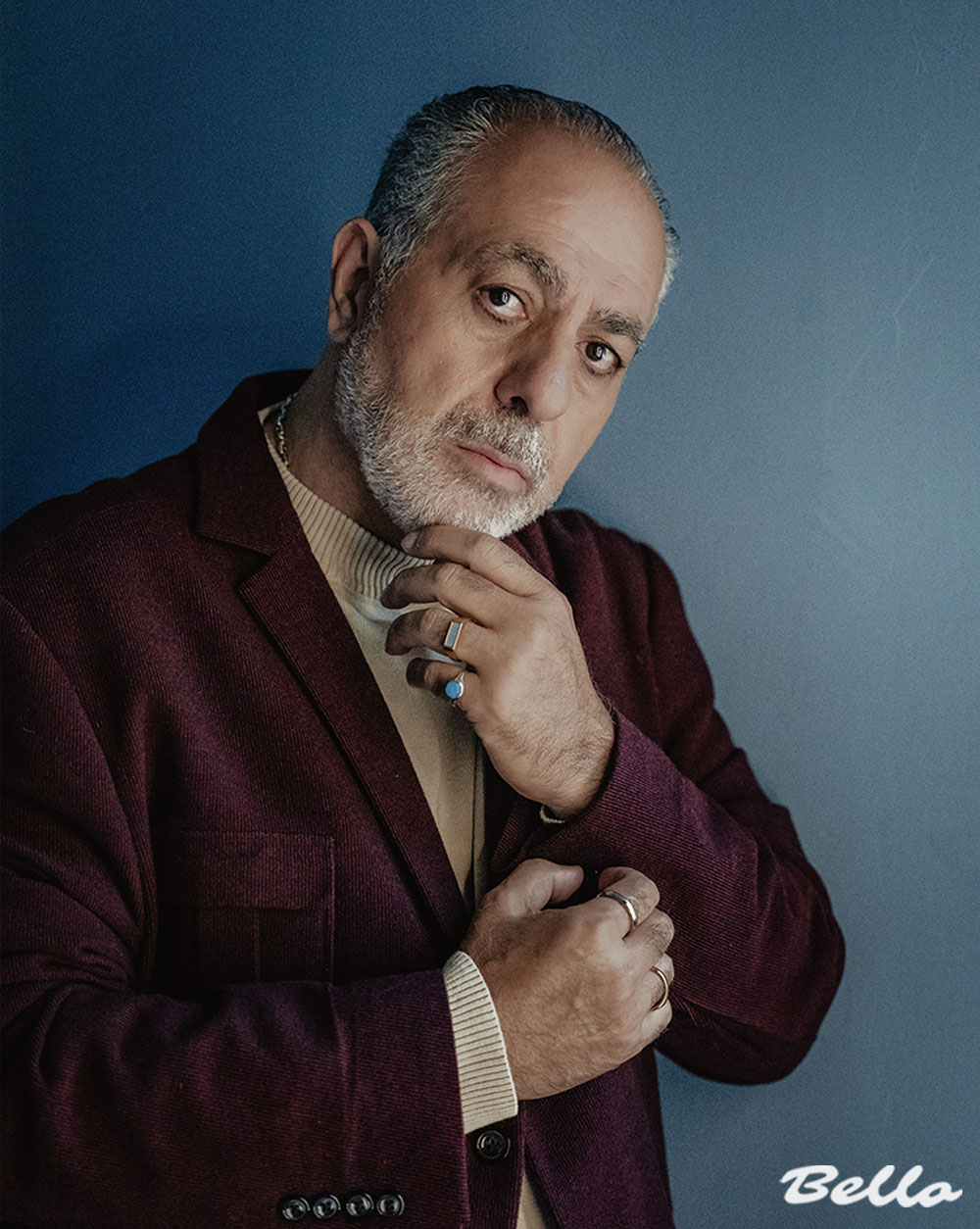
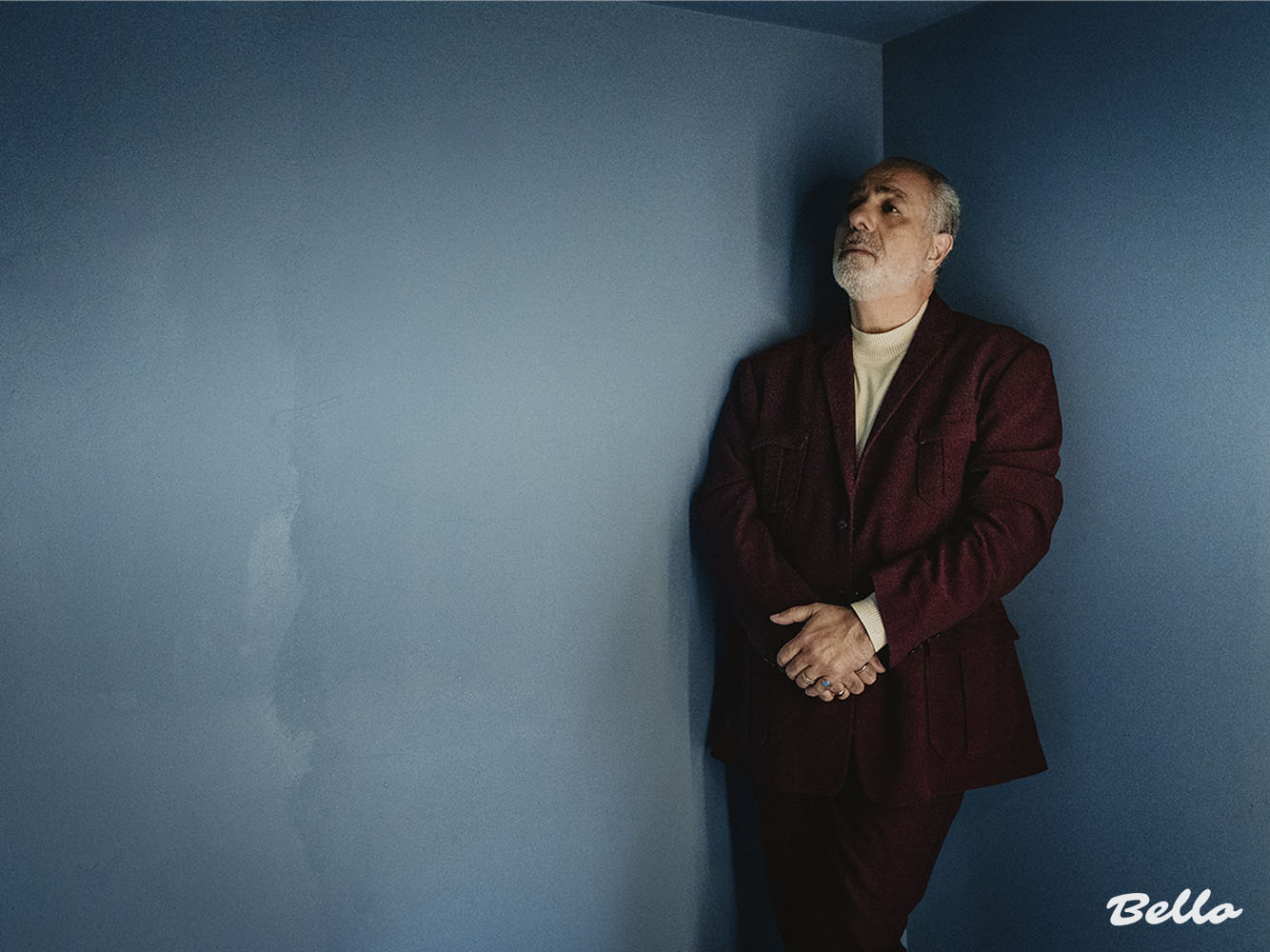
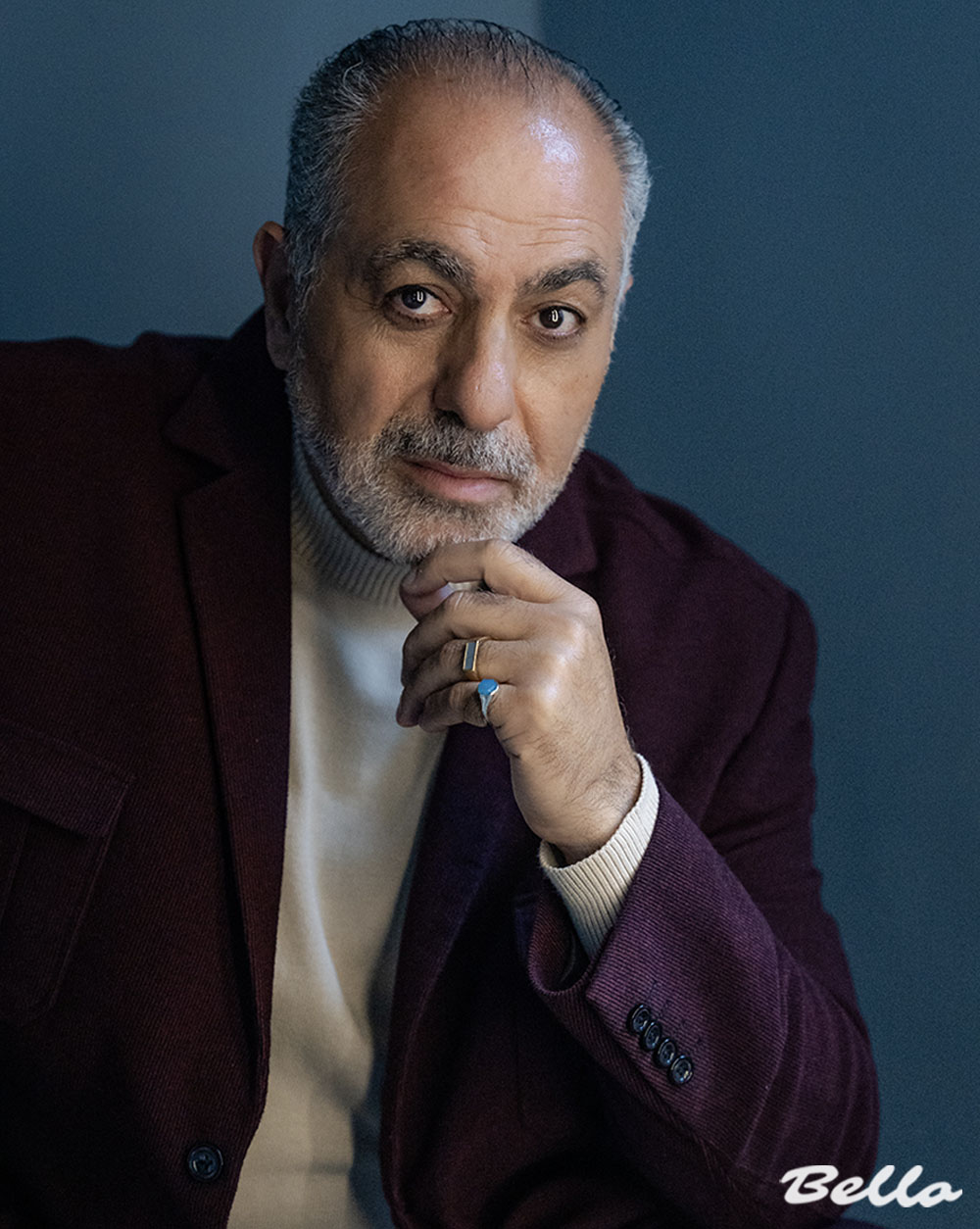
TALENT: Jack Topalian @jacktopalian
PHOTOGRAPHER: Mogli Maureal @themogli
STYLING: Ambika Sanjana @styledbyambika
GROOMING: Suzie K @suzykbeauty
PUBLICIST: Dylan Lane — Precision PR
Jack Topalian is an actor whose recent work in Euphoria and Sugar is putting him on the radar of a much wider audience. From playing Naz to stepping into the role of Teddy, he’s showing a range that makes him an actor worth watching. We sat down with Jack to talk about his career, his characters, and what comes next.
C: You’ve worked on some very high-caliber projects now. How are you feeling in this moment in your career?
J: I feel fantastic, grounded, and grateful. These opportunities didn’t happen overnight, so I’m able to appreciate them without being overwhelmed. There were a lot of years of preparation, auditions, rejection, and continuing to believe when nothing was guaranteed. Now I’ve had a chance to work alongside people I’ve admired and been a fan of, for a long time, on top level projects. It feels like a new chapter, but it also feels like the work is just beginning.
C: With Euphoria finished and fully out in the world, what has it meant to see yourself in a series that continues to shape the cultural conversation?
J: Euphoria isn’t simply a popular show. It’s a global phenomenon and it creates conversations. People engage and relate with its characters on a very personal and emotional level. To enter that world as Naz, alongside Jacob Elordi, Sydney Sweeney, Zendaya and the whole cast and crew, and to contribute to its final chapter was a tremendous privilege and an honor. You work alongside these incredibly talented people, and you are inside the bubble of production for months, focused on one scene at a time. Then it reaches the audience, and you realize how huge this thing is and how deeply invested people are. Seeing Naz become part of that conversation and having people engage and accept the character has been extremely humbling and rewarding.
C: Naz enters a universe with such a strong emotional and visual identity. What did you want to make sure came through in the performance that felt uniquely yours?
J: I wanted Naz to feel like a human being rather than simply “the dangerous man.” His power doesn’t come from constantly announcing himself or being a bully or a one note bad guy. It comes from stillness, certainty, and the sense that he has lived according to a particular code for a long time. I wanted the audience to feel that history even though it wasn’t explained. I brought aspects of my own background and cultural understanding to him—the importance of respect, discipline, family, humanity, loyalty, honoring your word, and the consequences of breaking your word. That gave me something personal and specific beneath the menace.
C: There’s often a difference between being in a great project and being truly seen in a great project. Do you feel like Euphoria is helping audiences understand the kind of actor you are?
J: I really do. Sam Levinson created Naz, and it gave me material that allowed me to communicate a great deal without always doing a lot outwardly. Audiences got to see intensity, restraint, authority, and moments of humanity existing in the same character. That is important to me because I never want to play only the surface of someone or be a monotone character. Even if a character enters the story as a threat, I’m looking for the life underneath that description. I think Euphoria gave people an opportunity to see that part of my work, and I hope they like the level of authenticity and believability I brought to Naz, as well as what I can bring to every character I play.
C: You’re also starring in Sugar Season 2, which just wrapped up its run. What did joining that universe mean to you as your career gained momentum following Euphoria?
J: It means a great deal because it shows me that the momentum is connected to the work, not simply to one role. Moving from a production like Euphoria into Sugar, with Colin Farrell and another exceptional creative team, was both validating and motivating.
I didn’t want to repeat what I had just done. Teddy Garnikian, who is a boxing trainer, gave me the chance to enter a completely different kind of story and demonstrate another side of myself and my acting abilities. When two opportunities like these arrive close together, you’re grateful, but you also understand that your responsibility is to meet the moment. In fact, for some weeks, both shows were being filmed at the same time, and I was going back and forth between the two different characters and that was challenging and very exciting at the same time. I loved every minute of it.
C: With your role in Sugar being very different from your role in Euphoria, what excited you most about entering that next world?
J: The contrast excited me. But the characters themselves are the ones that always excite me more. It’s what’s written on the page, the vision the writer has, and how I bring him to life. For example, Naz has a very controlled, intimidating presence. Teddy is more emotional and caring for his fighters. With Teddy, relationships and family dynamics reveal dimensions of him that an audience may not see in Naz.
I loved moving into the neo-noir atmosphere of Sugar, where so much exists beneath the surface. It allowed me to change my rhythm, energy, and physicality. I’m a character actor and that is exactly what I want from this career: the opportunity to disappear into people who don’t feel interchangeable. In fact, Colin Farrell gave me an amazing compliment one day. He said the way I played/portrayed Teddy, felt very lived in. I can’t ask for anything more than that, especially when it’s coming from one of the best in the business.
C: The projects you’ve been drawn to carry weight, atmosphere, and stakes. What do those roles allow you to explore that lighter material might not?
J: They allow me to investigate what people do when pressure removes their mask and what they really want to say, when all hell breaks loose. When the stakes are high, charm and social etiquette go away, and you discover a person’s values, fears, loyalties, and contradictions.
That is rich territory for an actor. I’m interested in characters who may do questionable things but still possess an emotional logic that makes sense to them, because underneath it all, they feel that they are 100% right in their actions and behavior. At the same time, I would love to explore more of the lighter material. Comedy requires truth and timing in its own way, and I think audiences might be surprised by that side of me. I love doing comedy. But again, it comes down to the character always and what his truth is.
C: You feel like an actor on the verge of a bigger leap. What do you think people are beginning to understand about you now that they may not have seen before?
J: I hope they see the range I have as an actor and that I’m not interested in giving them the same character with a different name. Because of my appearance and presence, people may initially imagine me in a particular category. I understand that and it’s normal. But my goal has always been to go beyond the first impression. I want to be the coach or the teacher, to be the gangster or the mob boss, to be the father of
the bride or the father of a sick child, to be the Uber driver or the mechanic, to be the husband or the lover, to be the yacht owner or the casino boss. There can be strength and danger in a character, but also tenderness, humor, intelligence, and vulnerability. I want people, casting directors, writers, directors & producers, to become curious about what else I can do and to put me to the test and watch me bring that character to life. I would love nothing more than that.
C: What has this stretch taught you about timing, patience, and trusting that the right work reveals itself when it’s supposed to?
J: It has taught me that patience is not passive. You can’t control when the right opportunity arrives, but you can control whether you are prepared when it does. Every audition, every class, and every smaller role contributed something, even when I couldn’t immediately see where it was leading. I came to this profession later than most people, so I learned not to measure my path against anyone else’s. A “no” doesn’t necessarily mean you’re moving backward. Sometimes it is preparing you for the “yes” that truly fits.
C: You’re at a stage where a couple of defining roles can change everything. How do you consider the opportunities ahead without rushing the process?
J: Look, none of us know exactly what’s ahead, but I try to focus on the character they want to portray, and the people involved rather than what an opportunity might look like from the outside. Is there something here that scares me a little? Can I bring something specific to it? Will I grow from the collaboration? Of course I’m ambitious, but ambition has to be paired with discernment. I’ve waited and worked too long to make choices based solely on momentum. I want to build something lasting, and that means being thoughtful about what comes next. Like I said earlier, I want people to truly see my range as an actor and being able to bring these characters to life and make them lived in, relatable and believable.
C: What kind of leading man do you hope to become when those bigger opportunities arrive?
J: A leading man with substance, character and gravitas. Someone memorable and capable of carrying the story without needing to dominate every moment of it. The actors I admire can be powerful and vulnerable, dangerous, and compassionate. They listen, and they make the other actors around them better. I’ve worked with some of the greats and have seen them all do that. I also want to represent a kind of leading man we haven’t always seen enough of, someone shaped by an immigrant experience and a strong cultural identity but not confined by either. I want that background to deepen the work while still allowing me to play across every kind of genre.
C: If this next chapter brings greater attention, what do you want people to notice first: your range, your presence, or how you carry a character?
J: The way I carry a character, because I think the other two live inside that. Presence means very little unless it belongs truthfully to the person you’re playing, and range isn’t simply about looking or sounding different. It’s about giving each character a distinct inner life. If audiences watch me and stop thinking about Jack, if they only see Naz, Teddy, or whoever comes next, then I’ve done my job. That’s what I want!