

When And Just Like That… first appeared, it arrived under the weight of impossible expectations. It was not simply a sequel to Sex and the City. It was the continuation of a cultural love affair, one that had left millions wondering how Carrie Bradshaw’s story could possibly unfold decades later. The original series had been a revolution in Manolo Blahniks: six seasons, two films, countless imitators, and an unshakable place in pop culture history. Reviving it was like stepping back into a city that had changed, and discovering that you, too, had changed.
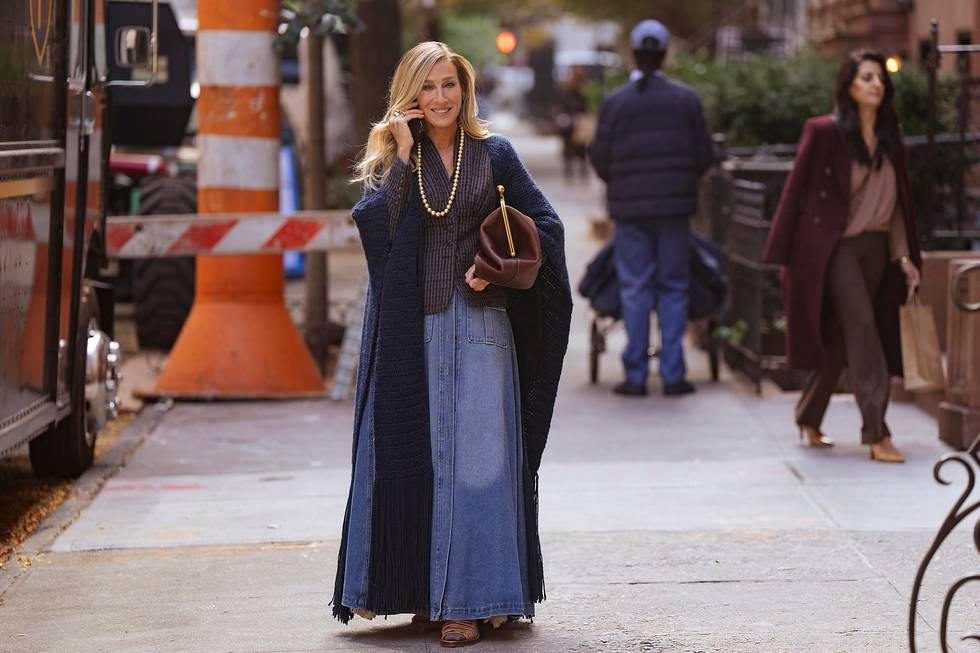
The debut was a triumph of anticipation. Viewers tuned in not only to see where life had taken Carrie, Miranda, and Charlotte, but to reconnect with an era when television offered them a kind of romantic permission slip: to want more, to live loudly, to find joy in excess. That nostalgia powered And Just Like That… through its first season’s hesitant steps. It was a show attempting something rare, to honor a legend while letting its characters grow older, wiser, more complicated.
From the moment it aired, the internet swelled with opinion. Some adored it, others dissected it with surgical precision, cataloging flaws as if keeping score. Were the critics legion, or were the loudest voices simply amplified by the echo chamber of social media? The truth may be somewhere in between. What is certain is that the scrutiny was relentless. Where the original series had been granted the grace of its time, free to stumble and soar in equal measure, the revival was asked to navigate an audience that now examines every frame with forensic detail.
Much of the criticism focused on tone, a perceived shift toward self-consciousness, a heightened awareness of representation and identity politics that some felt sat uneasily beside the champagne-bubbled escapism they once adored. But perhaps this was not a failure of the show so much as a reflection of the age we live in. Sex and the City was never without its rough edges. Some of its storylines, viewed today, feel dated or even inappropriate. Back then, the cultural conversation was different; we did not always interrogate the subtext. Now we do, and maybe we sometimes overcorrect, paying such close attention to the details that we lose sight of the greater picture.
By its second and third seasons, And Just Like That… had found a surer footing. The friendships felt lived-in again. The dialogue rediscovered moments of sparkle. Yet the ratings told a different story: fewer viewers, higher costs, and the inevitable question of when to take the final bow. And so, with grace, the decision was made to end it here. Not as a stumble, but as a closing chapter written with intention.
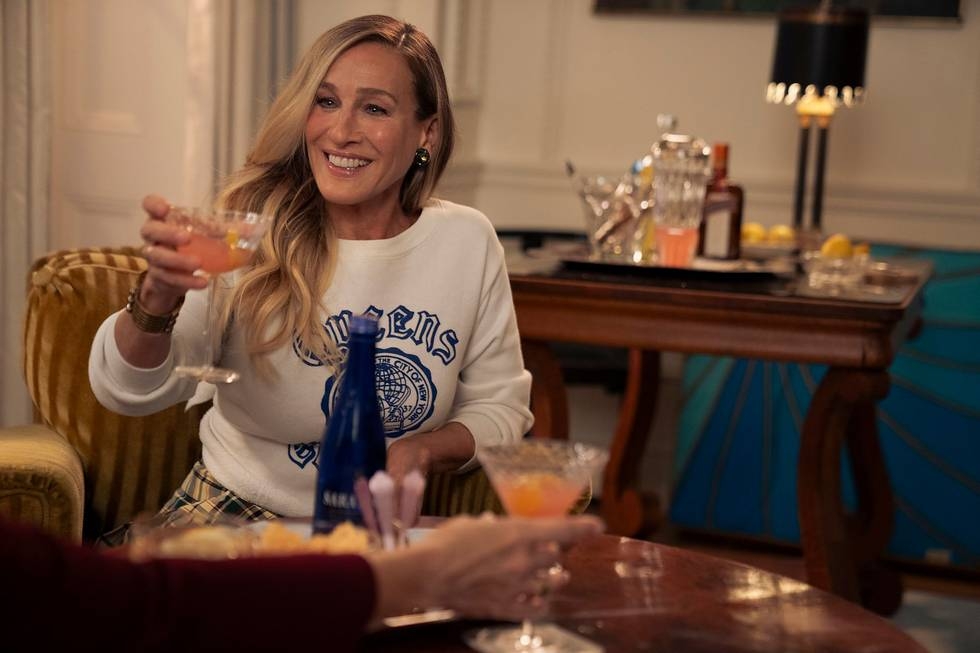
Images courtesy of HBO Max. Photograph by Craig Blankenhorn.
For all the debates, there remains something undeniably moving about Carrie Bradshaw’s journey. She was never meant to be a perfectly realistic character. The question of how she could afford her closet, her rent, her endless dinners out, was never the point. Her life was a love letter to possibility. Maybe we were always seeing the world through her filter, the way she chose to frame the streets of New York, the way she elevated a coffee date into an affair of the heart, the way she found beauty in both the big gestures and the small mercies.
In the end, And Just Like That… offered exactly what it promised: another chance to spend time with an old friend. In a time of political turbulence and cultural division, it gave us a reminder, however idealized, of hope, of connection, of the enduring magic of friendship. And maybe that was the real gift.
As Carrie might say: In life, we cannot always control the endings. But if we are lucky, we can choose to leave the party in our favorite dress, smiling at the memories, and carrying the stories we have loved most in the place they have always belonged, close to our hearts.