


5 Style Lessons We Can Learn From International Fashion Capitals
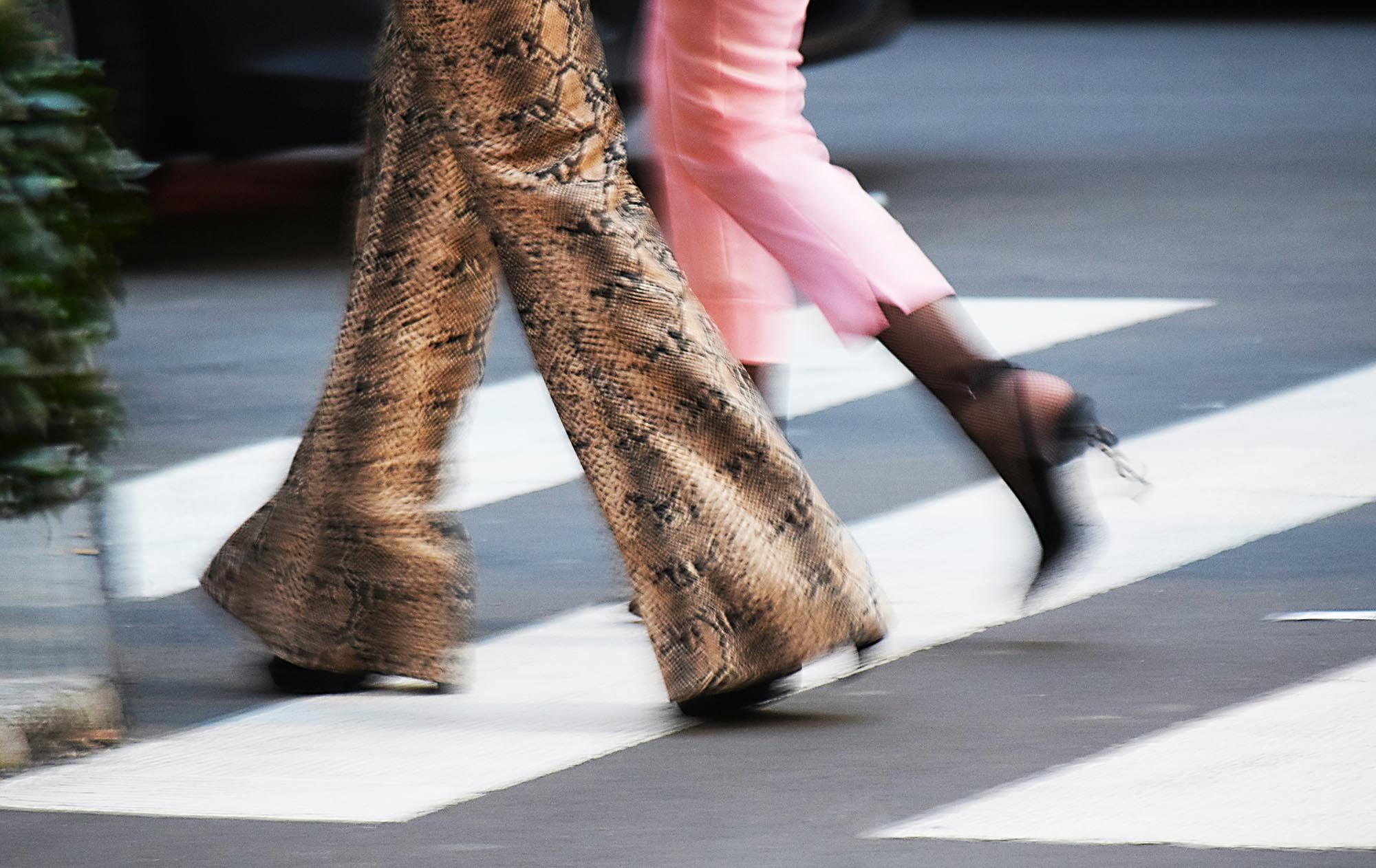
Photo by Chris Barbalis | Source: Unsplash.com
The best style education doesn’t come from magazines. It really comes from walking the streets and observing, as this is where real fashion is genuinely born. Different cities have wildly different approaches to style, and we’re here to uncover what makes each city’s approach to style so compelling.
Paris – Less Effort Looks Like More
Parisian style is striking for how little effort it seems to require. No loud logos. No overthinking. A good look could include just a well-cut blazer, jeans that fit just right, and shoes that look expensive without being over the top.
Their fashion style shows that true elegance is understated. A neutral palette like navy, camel, black, or ivory becomes the canvas. Quality over quantity becomes the mantra. The goal isn’t to own everything trending; it’s to own fewer pieces that actually work together and that can mix and match well.
French women invest in tailoring, even for basics. A pair of jeans that’s been altered to fit properly usually looks a lot better than stock-standard designer denims straight off the rack. What Parisians seem to understand instinctively is that when clothes fit correctly, you don’t need much else.
The scarf trick is real, too. You can instantly complete a look by adding a silk scarf to anything – your bag, around your neck, or even your ponytail.
Milan – Tailoring is a Focus
If Paris whispers, Milan speaks with authority. Italian style is about precision. Walk through Milan, and something becomes immediately clear: the clothes fit people like they were made for them.
Milanese fashion features good tailoring and uses high-end materials. Even casual outfits have structure. A simple white shirt becomes elegant when it’s cut properly. Trousers that actually flatter create a transformed silhouette. Italians understand that the difference between looking put-together and looking sloppy often comes down to fit.
The lesson here isn’t that custom clothing is necessary for everything, though Milan’s numerous master tailors make that tempting. It’s that off-the-rack favorites deserve a trip to the tailor. Hem those pants, take in that blazer, and adjust the shoulders. Suddenly, a wardrobe looks exponentially more expensive without spending more money.
Milan also demonstrates layering with intention. And the layers are both functional and aesthetically appealing. You’ll see structured coats worn over flowing fabrics, and crisp shirts peeping out from under relaxed knitwear. It’s calculated but never feels overdone.
Copenhagen – Minimalism But Not Boring
Scandinavian style gets labeled as “minimalist,” which sounds dull until you actually see it in action. Copenhagen fashion is minimalist in the sense that it strips away excess, but what remains is incredibly thoughtful.
Copenhagen fashion shows clean lines, neutral colors, and functional design. But their functionality doesn’t mean that style is sacrificed. For instance, a wool coat that keeps you warm through brutal winters can still have perfect proportions.
The color palette leans heavily on beiges, grays, whites, and blacks, but texture brings everything to life. A chunky knit sweater. A textured cotton blouse. Premium fabrics that feel as good as they look. Scandinavian style proves you can build a versatile wardrobe around neutral basics and never look bland.
Copenhagen also champions sustainability and quality. Their simple philosophy is to buy less, choose better, and wear longer. It’s the opposite of trend-chasing, and it’s surprisingly liberating once embraced.
Seoul – Fashion is Fun
Korean street style flips conventional wisdom about proportions on its head. Oversized blazers with mini skirts. Baggy jeans with fitted tops. Layering that shouldn’t work but absolutely does.
Seoul’s fashion scene is about experimentation and self-expression. The street style blends high-end pieces with affordable finds, luxury with streetwear, masculine with feminine. K-pop and K-drama influence obviously plays a huge role, making fashion feel accessible and exciting rather than intimidating.
The layering in Seoul is next-level. Turtlenecks under graphic tees. Button-downs beneath bombers. Oversized hoodies layered over everything. There’s thought behind every combination, but it gives permission to play with a wardrobe instead of following rigid rules.
Korean fashion also embraces both minimalist neutrals and bold statement pieces. Someone might wear head-to-toe beige one day, vibrant patterns the next. The lesson is that style doesn’t need to be consistent. It should reflect how you feel that day.
Tokyo – Individuality Trumps Trends
Japanese fashion, particularly in Tokyo, celebrates personal style over following what’s hot. Whether it’s Harajuku’s experimental looks or the understated elegance of traditional silhouettes reimagined, Tokyo fashion says, “wear what speaks to you.”
The emphasis is on quality craftsmanship and attention to detail. Premium materials like silk, cashmere, and wool feature prominently. Meticulous stitching and precise tailoring show respect for the garment itself.
Tokyo also masters the art of mixing traditional elements with modern trends. A structured blazer paired with flowing wide-leg pants. Classic silhouettes updated with contemporary fabrics.
Fashion Lesson Takeaways
The beauty of these style philosophies is that they can be adopted anywhere. Start by evaluating your wardrobe through these lenses.
- Do the clothes actually fit?
- Are the purchases quality pieces that’ll last?
- Is fashion fun or just following rules?
If these fashion capitals inspire a visit in person, staying connected while traveling makes a massive difference. Using an international eSIM means uploading outfit photos in real-time, researching local boutiques on the go, and navigating between shopping districts without hunting for Wi-Fi or swapping SIM cards at every border. Having reliable mobile data allows full immersion in each city’s fashion scene without the connectivity headaches, so make sure to choose a trustworthy provider.
The best fashion education happens when walking those cobblestone streets in Paris, browsing tailoring ateliers in Milan, exploring minimalist boutiques in Copenhagen, diving into Seoul’s vibrant shopping districts, or discovering hidden gems in Tokyo’s fashion neighborhoods. But discovering what fashion means to you, and understanding how you can make these style lessons work for you, can always start at home.